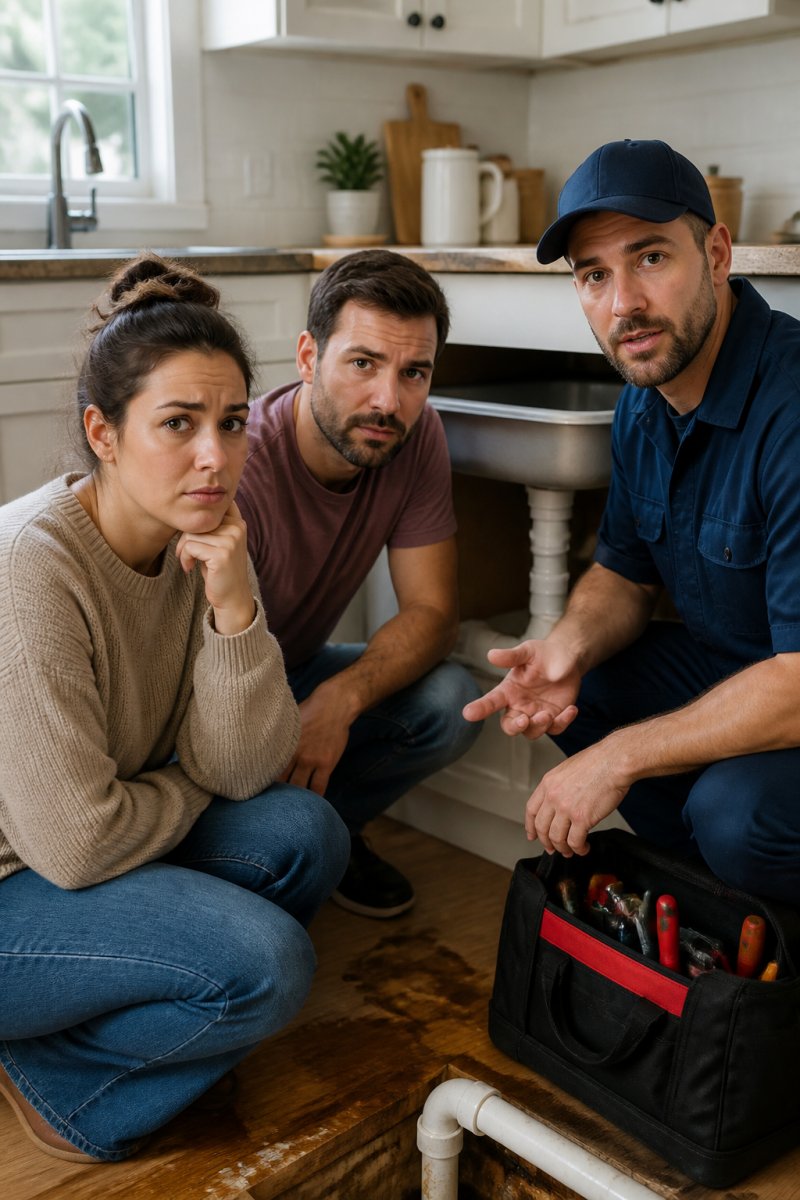
 how-to
Insurance Denied Your Plumbing Claim? What to Do Next
Table of Contents
- Start by Understanding Your Policy and the Denial
- Common Reasons for Plumbing Claim Denial
- Step 1: Review Your Denial Letter and Policy Exclusions
- Step 2: Documenting Residential Water Damage
- Step 3: How to Write an Insurance Appeal Letter
- Step 4: Getting Help from a Public Adjuster for Plumbing Claims
- Step 5: Escalating Your Claim to the State Department of Insurance
- Frequently Asked Questions
Last Updated: September 29, 2026
Start by Understanding Your Policy and the Denial
A plumbing claim denial is not the end of your case. It is a coverage dispute you can challenge, and many homeowners do. A burst pipe soaks a kitchen, the insurer says no, and the homeowner assumes that is final. It is not.
Insurance policies are contracts. The insurer must cite a specific provision when it denies you. Your job is to find that provision, read it, and test whether it applies.
Most denials fall into two buckets: the damage isn't covered, or the paperwork didn't prove the loss. The first is a policy problem; the second is a documentation problem you can usually fix.
Here is what we will cover: reading your denial letter, documenting damage, writing an appeal, and when to bring in a professional.
Common Reasons for Plumbing Claim Denial
The most common reasons for plumbing claim denial come down to a handful of recurring issues. Once you know them, you can predict how your insurer will push back.
- Gradual damage. Slow leaks that worsened over months are often excluded.
- Maintenance exclusions. Policies typically exclude damage from wear, corrosion, or neglect.
- Missing proof. No photos, no receipts, no contractor estimates.
- Late reporting. Delays give insurers room to question the timeline.
- Improper mitigation. Failing to stop the water and dry the space.
- Earth movement or settling. Some policies exclude slab movement entirely.
The Insurance Information Institute's guide to homeowners insurance explains that a standard policy covers sudden and accidental water damage but excludes damage from lack of maintenance. That distinction decides most plumbing claims.
The 'Sudden vs. Gradual' Distinction
This is the biggest battleground in plumbing coverage disputes. A sudden and accidental discharge is a pipe that bursts without warning. A gradual leak seeps for weeks or months before you notice.
Insurers deny gradual leaks because they look like maintenance failures. Your evidence should answer one question: when did this start, and could a reasonable homeowner have caught it sooner?
Signs that support a sudden event:
- A visible rupture or split pipe
- A single-day spike in your water bill
- Damage concentrated in one area
- No prior staining, warping, or musty smell
Step 1: Review Your Denial Letter and Policy Exclusions
Read the denial letter twice. Once for the reason, once for the policy language it cites.
- The exact exclusion clause quoted
- Any exception to that exclusion
- Your proof of loss requirements
- Your deadline to appeal or sue
Step 2: Documenting Residential Water Damage
Good documentation wins appeals. Weak documentation loses them, no matter how valid your claim is.
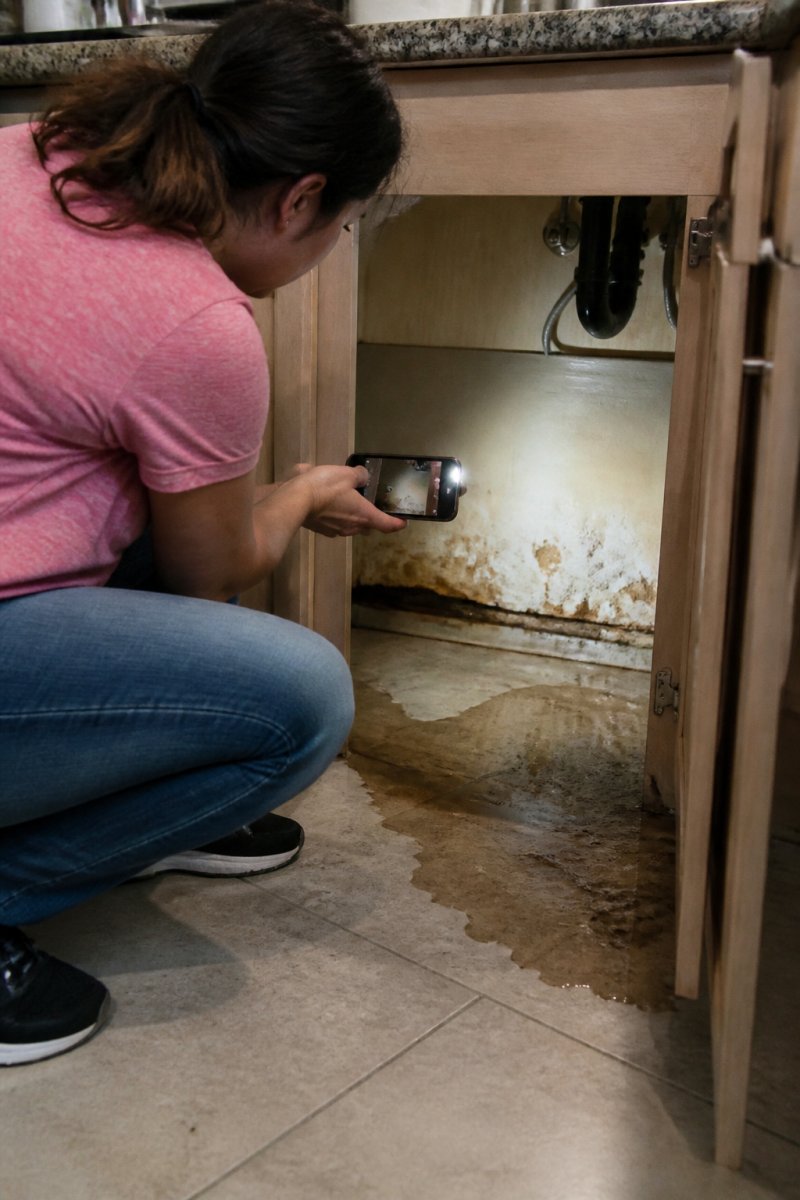
Build a file with these items:
- Wide photos of each affected room
- Close-ups of the leak source and stained materials
- Video walking through the damage
- A written timeline of when you noticed what
- Receipts for emergency repairs and drying equipment
- Contractor estimates for the full repair
- Your water bill for the last three months
Meeting Your Mitigation Requirements
Almost every policy requires you to prevent further damage after a loss. This is a duty, not a suggestion.
What mitigation looks like:
- Shut off the water at the main valve
- Call a plumber to stop the active leak
- Remove standing water and run fans or dehumidifiers
- Move furniture and belongings off wet flooring
- Keep every receipt for emergency work
Step 3: How to Write an Insurance Appeal Letter
A written appeal is your formal request for reconsideration. Keep it factual, short, and tied to policy language. The goal is not to argue, it is to hand the adjuster a file that is easier to approve than to deny.
- Address it to the claims adjuster and their supervisor.
- State your claim number and policy number at the top.
- Summarize the loss in two sentences.
- Quote the denial reason, then quote the policy language that supports coverage.
- List your evidence: photos, plumber's report, estimates, receipts.
- Ask for a specific outcome: reconsideration and payment.
- Send it certified mail with return receipt, and keep a copy of everything.
Internal Appeal vs. External Review
Most homeowners do not realize there are two tracks. The internal appeal goes back to the insurer, a different adjuster or a review panel re-examines the file. This is where most reversals happen, and it costs you nothing but postage.
Sample Appeal Letter Template
[Your Name] [Address] | [Phone] | [Email] [Date]
[Insurer Name] Claims Department [Address]
Re: Claim No. [number] | Policy No. [number] | Date of Loss: [date]
To Whom It May Concern:
I am writing to formally appeal the denial of my plumbing claim dated [date]. The denial states the loss resulted from [quote the stated reason].
I believe this loss is covered under [quote the relevant policy provision].
What to Do If the Insurer Ignores Your Appeal
If 30 days pass with no written response, do not wait. Send a short follow-up letter referencing your original appeal date and certified mail tracking number, and state that you are preserving your rights under the policy. Then move to the next step: a complaint with your state Department of Insurance or, if your policy has one, a formal demand for appraisal.
Step 4: Getting Help from a Public Adjuster for Plumbing Claims
A public adjuster works for you, not the insurer. They review your policy, document the loss, and negotiate the settlement, usually for a percentage of what they recover.
When it makes sense to hire one:
- The disputed amount is large
- The denial cites multiple exclusions
- Your documentation is thin or you're running out of time
- The insurer's offer is far below your contractor's estimate
| Situation | Best Move | Why |
|---|---|---|
| Small claim, clear cause | Appeal on your own | Cost outweighs benefit |
| Large claim, vague denial | Hire a public adjuster | Negotiation use |
| Denial cites bad faith | Talk to a lawyer | Legal remedies apply |
| Deadline is close | Appeal now, adjuster later | Protects your rights |
Step 5: Escalating Your Claim to the State Department of Insurance
If your internal appeal fails, escalate. Every state has a Department of Insurance that accepts consumer complaints about claims handling. Filing is free, it creates a paper trail, and the insurer must respond in writing.
Before you file, gather:
- Your policy and denial letters
- Your appeal and any response
- All documentation and correspondence
- A short written summary of the dispute
- Your certified mail receipts
Invoking the Appraisal Clause
Many homeowners policies include an appraisal clause. It applies when you and the insurer agree the loss is covered but disagree on the amount. Each side hires a competent appraiser, the two pick an umpire, and the panel sets the loss value. The result is generally binding on the amount.
Recognizing Bad Faith
Bad faith is not the same as a denial you disagree with. It is specific conduct: unreasonable delay, ignoring evidence you submitted, failing to investigate, misrepresenting policy language, or denying without any reasonable basis in the policy.
When to Bring In a Lawyer
A lawyer makes sense when the disputed amount is large, when the denial cites multiple exclusions, when you have evidence of bad faith, or when your statute of limitations is close. For a smaller residential plumbing loss with a clean cause and a solid plumber's report, a well-drafted appeal and a Department of Insurance complaint are usually enough. The math matters: legal fees only make sense when the recovery justifies them.
Frequently Asked Questions
Why is plumbing not covered by insurance?
Plumbing issues are often denied because insurers classify them as gradual wear and tear rather than sudden damage. Most policies cover burst pipes or accidental discharge, but exclude long-term leaks, corrosion, or poor maintenance. Review your policy's exclusion clauses carefully. If the denial cites gradual damage but you have evidence of a sudden failure, that distinction is your strongest path to a plumbing claim denial reversal.
How do I write a formal appeal letter for a denied insurance claim?
Address it to the claims adjuster's supervisor, reference your claim number, and state the specific reason you disagree with the denial. Attach contractor estimates, photos, and any proof of loss. Keep the tone factual and cite the policy provision you believe covers the damage. A clear, documented appeal letter for a denied insurance claim often succeeds because it forces a second review with new evidence.
What not to say to an insurance adjuster after water damage?
Avoid speculating about the cause or saying the leak has been there for months. Do not use phrases like 'it's been dripping for a while' or 'I noticed it last year.' Stick to facts: when you first saw water, what you did to stop it, and what a licensed professional found. Anything suggesting gradual damage can be used to deny your water damage claim.
Can I hire a public adjuster for a plumbing claim denial?
Yes. A public adjuster works for you, not the insurance company, and can help document damage, prepare your appeal, and negotiate a settlement. They typically charge a percentage of the final payout. For complex plumbing claims or large losses, their expertise often results in a higher settlement that outweighs their fee.