 ultimate-guide
Sewer Line Inspection Cost: What to Expect in 2026
Table of Contents
- What Drives Sewer Line Inspection Cost
- Signs of Sewer Line Damage That Justify the Expense
- How Long Does a Sewer Inspection Take?
- Inspection vs. Cleaning: What You're Actually Paying For
- Sewer Line Repair Insurance Coverage: What Homeowners Need to Know
- Reading Your Post-Inspection Report Without Panic
- Frequently Asked Questions
Last Updated: September 23, 2026
What Drives Sewer Line Inspection Cost
A sewer line inspection is a camera-based evaluation of the pipe that carries wastewater from your home to the municipal main. The sewer line inspection cost depends on several variables, and understanding them helps you avoid surprise charges. The difference almost always comes down to access and pipe condition.
Access Point and Cleanout Requirements
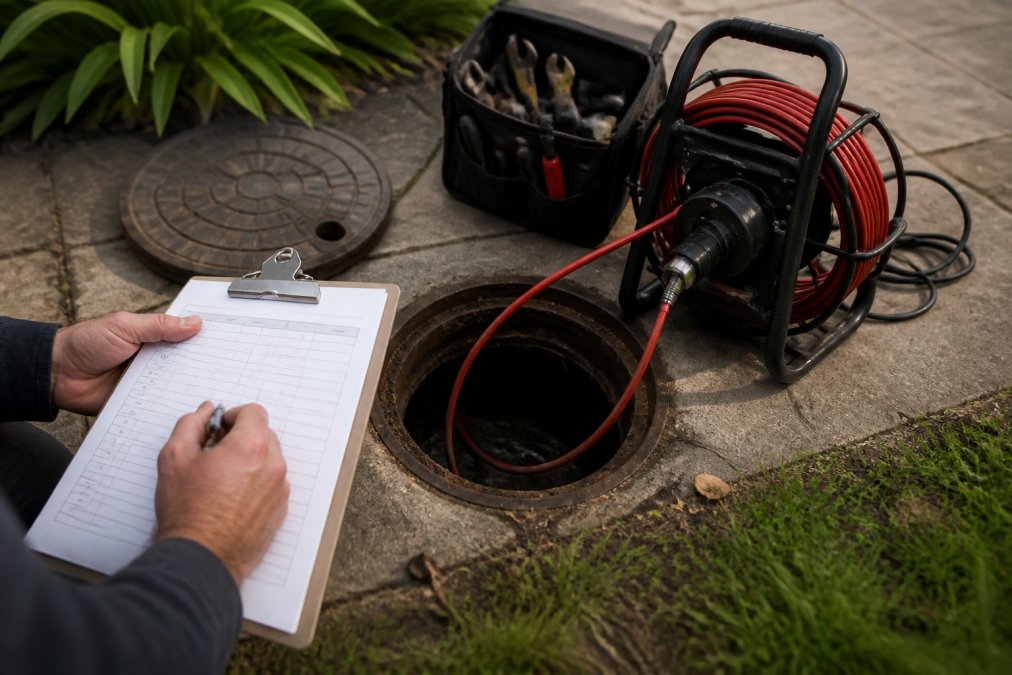
The single biggest cost variable is whether your home has an accessible cleanout. A cleanout access is the capped fitting that lets a technician insert the camera without cutting into the pipe.
Pipe Material and Line Length
Pipe material affects how long the camera takes to travel the line and how much wear it places on equipment. Cast iron and clay pipes are common in older neighborhoods and often have rough interiors that slow the camera. PVC lines, by contrast, are smooth and quick to traverse.
| Factor | Low-End Impact | High-End Impact | Why It Matters |
|---|---|---|---|
| Cleanout access | Existing exterior cleanout | No cleanout, toilet pull needed | Labor and time |
| Pipe material | Smooth PVC | Rough cast iron or clay | Camera travel speed |
| Line length | Short lot, under 30 ft | Long lot, over 100 ft | Cable and reel size |
| Root intrusion | None visible | Dense root mass | May need cleaning first |
| Line condition | Clear flow | Blockage or collapse | Requires pre-clearing |
Signs of Sewer Line Damage That Justify the Expense
A sewer line inspection cost is worth paying when you notice warning signs. Ignoring them often leads to sewer backup, pipe collapse, and far more expensive sewer repair or sewer replacement down the road.
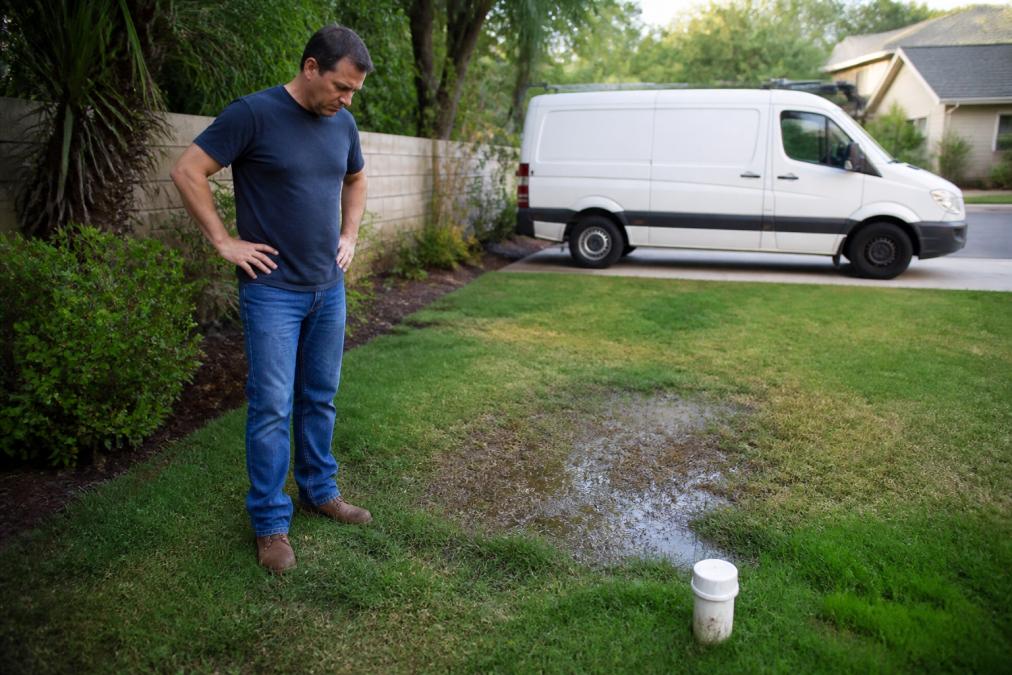
Common signs of sewer line damage include:
- Slow drains throughout the house, not just one fixture
- Gurgling sounds from toilets or tubs after use
- Sewage odor in the yard or basement
- Sunken or unusually green patches of grass along the line
- Repeated clogs in the same drain
- Water backing up into floor drains
How Long Does a Sewer Inspection Take?
Most residential sewer inspections take 45 minutes to 2 hours. The exact time depends on line length, access, and whether the technician needs to clear a blockage first to get the camera through.
Here's the typical breakdown:
- Setup and access preparation: 10-20 minutes
- Camera travel and video recording: 20-45 minutes
- Review and preliminary findings: 10-15 minutes
- Written inspection report with footage: same day or next day
Inspection vs. Cleaning: What You're Actually Paying For
An inspection is a diagnostic service. Cleaning is a maintenance service. They solve different problems, and confusing them leads to wasted money.
Sewer Line Repair Insurance Coverage: What Homeowners Need to Know
Sewer line repair insurance coverage is rarely automatic. Standard homeowners policies typically exclude the main sewer line and sewer lateral, treating them as the owner's responsibility. This is one of the most common surprises homeowners face after an inspection turns up a problem.
What Standard Policies Usually Exclude
A typical homeowners policy covers sudden, accidental damage to the dwelling and certain other structures. It generally does not cover:
- The sewer lateral running from your home to the municipal main
- Damage caused by gradual deterioration, roots, or wear over time
- The cost of accessing the pipe (excavation, concrete removal, landscaping)
Endorsements and Service Line Riders
Coverage usually appears only through a specific endorsement or a separate service line rider added to the policy. These endorsements typically cover:
- Repair or replacement of the exterior service line
- Excavation and access costs
- Some coverage for damage to driveways, sidewalks, or landscaping caused by the repair
Home Warranties
Home warranty plans are a separate product from homeowners insurance, and their treatment of sewer lines varies widely. Some plans include sewer line coverage as an add-on; many exclude it or cap it. If you are buying a home, read the warranty contract's exclusions section carefully, because 'sewer line' and 'stoppage' are often treated as different things.
Why Documentation Decides Claims
Insurers deny claims when the cause of damage is unclear or the damage predates the policy. A professional inspection report with photos, footage, and a written summary gives an adjuster something concrete to evaluate.
The strongest documentation includes:
- The video recording file, not just a written summary
- Distance and depth of each finding from the access point
- A clear statement of whether the damage is structural or an obstruction
- The date of the inspection and the condition of the line at that time
What to Do Before You File
- Get the footage. A claim without video is much harder to support.
- Get a written cause of damage. Adjusters want to know whether this was sudden or gradual.
- Check your policy's exclusions section first. Look for 'sewer,' 'service line,' 'deterioration,' and 'roots.'
- Ask about the endorsement before you need it. Adding a service line rider is usually cheaper than paying for a repair out of pocket.
At California Leak Detection Specialists, we provide clear documentation and communicate directly with insurers to reduce back-and-forth. As a family-owned, licensed, bonded, and insured business (CSLB License #741886), we handle both the diagnosis and the paperwork trail.
Reading Your Post-Inspection Report Without Panic
A plumbing diagnostics report is a description of your line's condition, not a verdict. Most findings that sound alarming are manageable with routine sewer maintenance rather than immediate replacement. The problem is that reports are written in trade language, and a homeowner reading one for the first time has no frame of reference for what is serious and what is cosmetic.
Root Intrusion
Roots enter through joint gaps, cracks, and older clay pipe connections because the pipe carries water and nutrients. The report will usually describe intrusion as a percentage of the pipe's cross-section that is blocked.
- Light intrusion (roughly under 25% blockage): Often handled with mechanical cutting, then a maintenance schedule. Many homeowners re-cut every 12 to 24 months.
- Moderate intrusion (roughly 25% to 50%): Recurring clogs are likely. Cutting still works, but you should expect repeat visits.
- Heavy intrusion (over 50%): The line may need a more permanent fix, because cutting roots repeatedly damages the pipe and invites them back.
Offset Joints
An offset is where two sections of pipe have shifted out of alignment. Reports often note the offset in inches or as a fraction of the pipe diameter.
- Small offsets (under roughly 1/4 inch): Usually tolerable if flow is not restricted and debris is not catching.
- Larger offsets: These catch waste, cause repeat clogs, and can eventually shear the pipe. This is where a repair decision becomes reasonable.
Bellies (Sags)
A belly is a low spot where water pools instead of draining. The report may describe standing water visible on camera.
- Minor bellies: May never cause a problem if the line still drains and solids do not settle.
- Significant bellies: Cause recurring clogs because debris settles in the low spot. These often require excavation or a trenchless fix.
Cracks, Fractures, and Collapse
- Hairline cracks: May be monitored rather than repaired, especially in a short section.
- Open fractures and missing pipe sections: These risk pipe collapse and soil intrusion. Repair is usually the right call.
- Collapse: The camera cannot pass, or the pipe is deformed. This is a replacement scenario.
Scale, Grease, and Buildup
Mineral scale, grease, and debris narrow the pipe but do not damage it. These are cleaning issues, not repair issues. If a report shows heavy buildup and no structural damage, ask for a cleaning quote before you consider anything more invasive.
The Three Questions to Ask Before You Approve Anything
- Where is it, and how far from the access point? Distance tells you how hard the repair will be and whether a spot repair is possible.
- Is the pipe structurally damaged, or just obstructed? Obstruction means cleaning. Structural damage means repair.
- What happens if I wait six months? A good technician can tell you whether a finding is stable or progressive. If they cannot, get a second opinion.
Ask the technician to walk you through the footage segment by segment. A good provider will point out exactly where each issue sits, how far it is from the cleanout, and what it means for your drainage issues. If a report uses a severity rating system, ask them to define what each rating means for your specific line.
Frequently Asked Questions
Is it worth getting a sewer line inspection?
A sewer line inspection cost is usually a fraction of what emergency repairs run. A camera inspection catches root intrusion, cracks, and bellies before they cause a full backup or pipe collapse. For older homes with clay or cast iron pipes, or before a real estate transaction, the inspection pays for itself by giving you leverage to negotiate repairs or walk away from a money pit.
Does homeowners insurance cover sewer line repair?
Standard homeowners policies typically exclude sewer line repair, calling it a maintenance issue. Some carriers offer an endorsement or a separate service line rider that covers sudden breaks or damage from covered perils. Check your policy language and ask your agent specifically about sewer line repair insurance coverage before you file a claim. Documentation from a licensed plumbing contractor helps your case.
How long does a sewer inspection take?
Most residential sewer inspections take 45 minutes to 2 hours, depending on line length, accessibility, and whether the technician needs to locate and open a cleanout. If the camera hits a blockage or the line needs hydro-jetting first, expect closer to 2 to 3 hours. Complex properties with long service lines or multiple access points can run longer.
What are the signs that you need a sewer line inspection?
Watch for slow drains throughout the house, gurgling toilets, sewage odors in the yard or basement, unexplained wet spots on the lawn, and repeated backups. These are classic signs of sewer line damage. If you own a home built before 1980 with clay or cast iron pipes, schedule an inspection even without symptoms. Root intrusion and pipe collapse often start silently.