 Ultimate guide
Repiping Services for Older Homes: A Complete Guide
Quick Summary
Repiping services for older homes replace aging supply lines, usually with PEX or copper, so recurring leaks, low pressure, and discolored water stop instead of being patched one at a time. Homes built before the 1980s often have galvanized steel, cast iron, or early plastic pipe that fails from the inside out. A professional assessment can separate a simple repair from a full repipe.
- Recurring leaks in different areas usually point to the pipe material rather than a single faulty fitting.
- Three separate leak repairs in the same house within a few years often means a planned repipe costs less.
- PEX is flexible, so it can be routed through existing framing with fewer wall openings than copper.
- Ask each bidder whether drywall patching and restoration are included or subcontracted.
- Most jurisdictions require a plumbing permit for a repipe, and skipping it creates liability at resale.
Table of Contents
- Why Older Homes Often Need Repiping
- Signs a House Needs Repiping
- PEX vs. Copper Repiping: Choosing a Pipe Material
- Repiping Costs and What Affects the Price
- The Repiping Process From Inspection to Final Walkthrough
- How Long Does Repiping Take?
- Scheduling a Repiping Assessment for Your Older Home
- Frequently Asked Questions
Repiping Services for Older Homes: A Complete Guide
Last Updated: October 30, 2026
Why Older Homes Often Need Repiping
Homes built before the 1980s were often plumbed with galvanized steel, cast iron, or early plastic pipe that wears out with age. A house that has run reliably for decades can suddenly start showing hidden leaks, low pressure, or discolored water.
The core issue is that older pipe fails from the inside out. Mineral buildup narrows the bore, and corrosion thins the walls until they pinhole or crack. Because the damage is hidden in walls, ceilings, and under slabs, homeowners often discover it only after water damage has already occurred.
Signs a House Needs Repiping
Repiping becomes a serious consideration when several warning signs appear together rather than in isolation. A single leak can be a fitting problem; repeated leaks across different fixtures usually point to the pipe material itself.
Look for these patterns in an older home:
- Recurring leaks in different areas of the house
- Noticeably reduced water pressure, especially in upstairs bathrooms
- Rusty, brown, or cloudy water that clears only after running the tap
- Visible corrosion, greenish staining, or flaking on exposed pipe
- Unexplained increases in your water bill
Warning Signs That Point to Failing Pipes
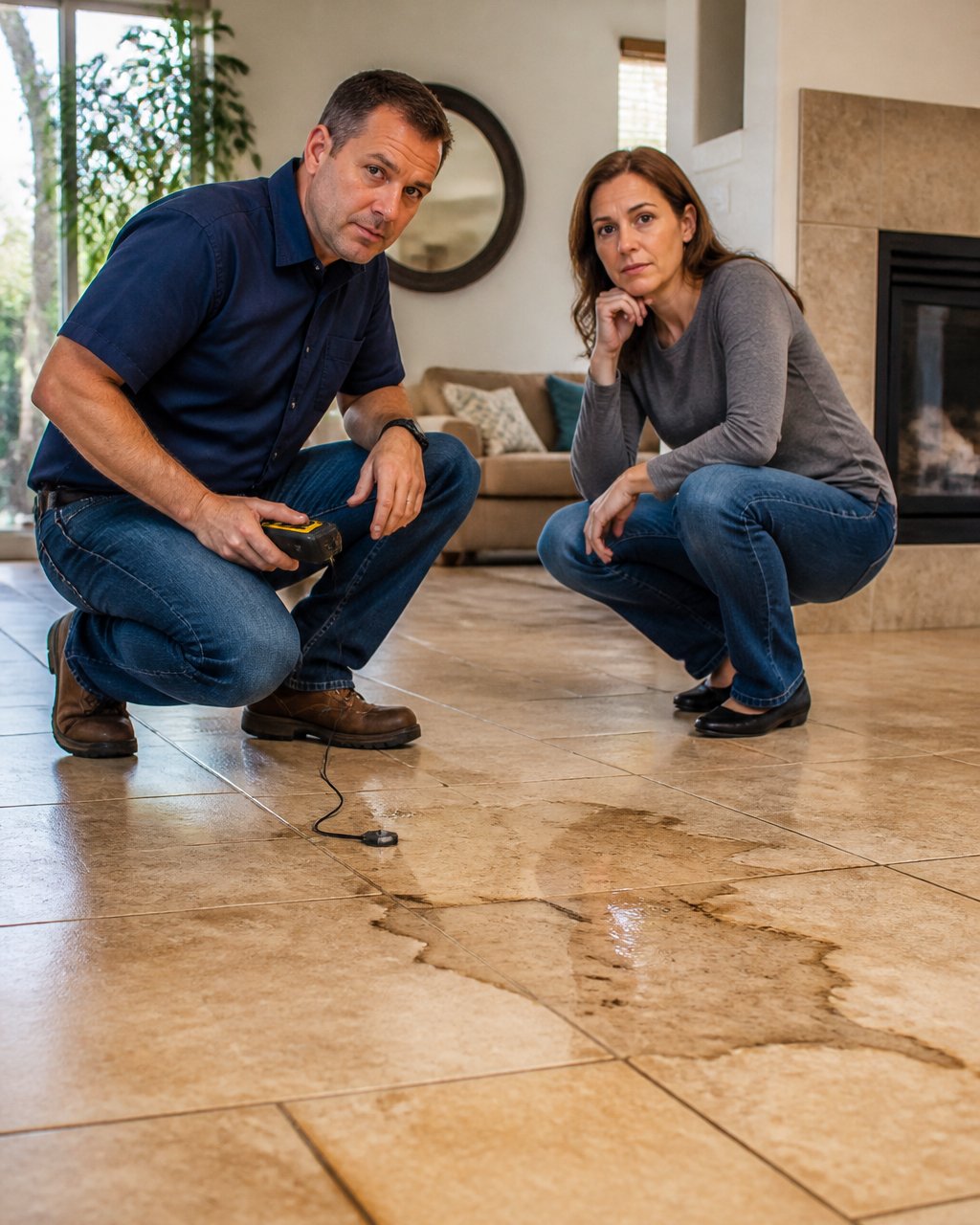
Some signs are more urgent than others. Damp spots on walls or ceilings, warm patches on floors that have no obvious heat source, and the sound of running water when every fixture is off all suggest a hidden leak that needs professional locating. A common mistake is waiting for a visible stain before acting. By the time water shows through drywall or flooring, the leak has often been active for weeks.
When Repairs Stop Making Sense
Spot repairs are reasonable when a single joint or valve fails in an otherwise sound system. They stop making sense when each repair simply moves the failure to a new location. If you have paid for three separate leak repairs in the same house within a few years, the cost of continued patching usually approaches the cost of a planned repipe, and the repipe removes the risk entirely.
PEX vs. Copper Repiping: Choosing a Pipe Material
PEX and copper are the two materials most often used when repiping an older home, and the choice affects cost, installation time, and how much of your walls and ceilings get opened. Neither is universally "better", the right pick depends on your home's layout, your water chemistry, and what your local code allows.
How the Two Materials Compare
| Factor | PEX (cross-linked polyethylene) | Copper |
|---|---|---|
| Flexibility | Flexible; bends around corners, so fewer fittings and fewer access holes | Rigid; requires fittings at every turn, which means more joints and more wall openings |
| Installation speed | Generally faster because it can be routed through existing framing with less demolition | Slower; soldering or pressing every joint takes more labor |
| Corrosion | Does not corrode the way metal does; unaffected by acidic water | Can corrode from the inside, especially with aggressive water; pinhole leaks are a known failure mode in older copper |
| Freeze behavior | More forgiving; can expand slightly under freezing stress | Rigid; more prone to splitting when water freezes |
| Lifespan | Long service life under normal conditions | Long service life when water chemistry is favorable |
| Fittings and joints | Fewer joints overall, but each connection must be made correctly | More joints, each a potential leak point over decades |
| Best fit for older homes | Often preferred when walls and ceilings should stay closed as much as possible | Often preferred where the existing system is copper and the homeowner wants to match it, or where local code or HOA rules require it |
What This Means for an Older House
Older homes usually have tight framing, finished basements, and plaster or drywall that is expensive to repair. That favors PEX in many repipes because the flexible line can be fished through cavities with fewer openings. Copper remains a sound choice, but the installer has to plan joint locations carefully and confirm that the water supply is not aggressive enough to shorten the pipe's life.
A few practical rules of thumb most practitioners follow:
- Match the water, not the trend. If the existing copper has failed repeatedly from the inside, replacing it with more copper without addressing water chemistry often repeats the problem.
- Check local code first. Some jurisdictions restrict or require specific materials in certain applications, and a licensed plumber should confirm what applies to your property.
- Ask about transition fittings. Where new PEX connects to existing copper or galvanized steel, the transition must be made with the correct fitting to avoid a dissimilar-metal problem.
- Think about the next owner. A documented, permitted repipe with a clear material spec is easier to explain at resale than an undocumented patchwork.
Neither material is a shortcut. The quality of the installation, correct sizing, proper support, pressure testing, and clean transitions, matters more than the label on the pipe.
Repiping Costs and What Affects the Price
Repiping is a major purchase, and no two homes price the same. What a guide can do is explain the factors that move the number up or down so you can read an estimate intelligently and compare bids fairly.
The Factors That Drive the Price
- Home size and number of fixtures. More bathrooms, kitchens, and hose bibs mean more pipe, more fittings, and more labor. A one-bath ranch is a very different job from a two-story house with three full baths.
- Pipe material. PEX generally costs less to install than copper because it takes less labor and fewer fittings, though material prices fluctuate. Copper's labor and joint work push its installed cost higher in most markets.
- Access and demolition. Repiping runs through walls, ceilings, and sometimes under slabs. The more finished surfaces that must be opened and later restored, the higher the total. A home with an unfinished basement or crawlspace is usually cheaper to repipe than one on a slab with finished ceilings below.
- Layout complexity. Long runs, tight chases, and multiple stories add labor. So does routing around structural elements that cannot be cut.
- Existing pipe condition. Galvanized steel and cast iron can be difficult to cut and remove, and corroded fittings may fight every connection. That adds time.
- Permits and inspection. Most jurisdictions require a plumbing permit for a repipe, and the fee plus inspection time is part of the project cost. Skipping the permit is not a savings, it becomes a liability at resale.
- Restoration. Patching drywall, retexturing, and repainting are often separate line items. Ask each bidder whether restoration is included or subcontracted.
- Water shutoff and temporary service. A whole-home repipe means the water is off for part of the project. Planning for that, and any temporary hose bib or bypass, is part of the logistics.
How to Read a Repiping Estimate
A useful estimate should itemize rather than lump everything together. Look for:
- Pipe material and specification (brand, type, and size)
- Linear feet of pipe and number of fixtures served
- Access points and what will be opened
- Permit and inspection line
- Pressure-testing and final walkthrough
- Restoration scope, and who performs it
- Warranty terms on labor and material
Why We Quote After an On-Site Assessment
Because access, layout, and existing pipe condition vary so much, a phone estimate is a guess. Pricing for your home depends on its specific layout and pipe condition. Contact California Leak Detection Specialists at (951) 278-8999 for current pricing or a quote.
The Repiping Process From Inspection to Final Walkthrough
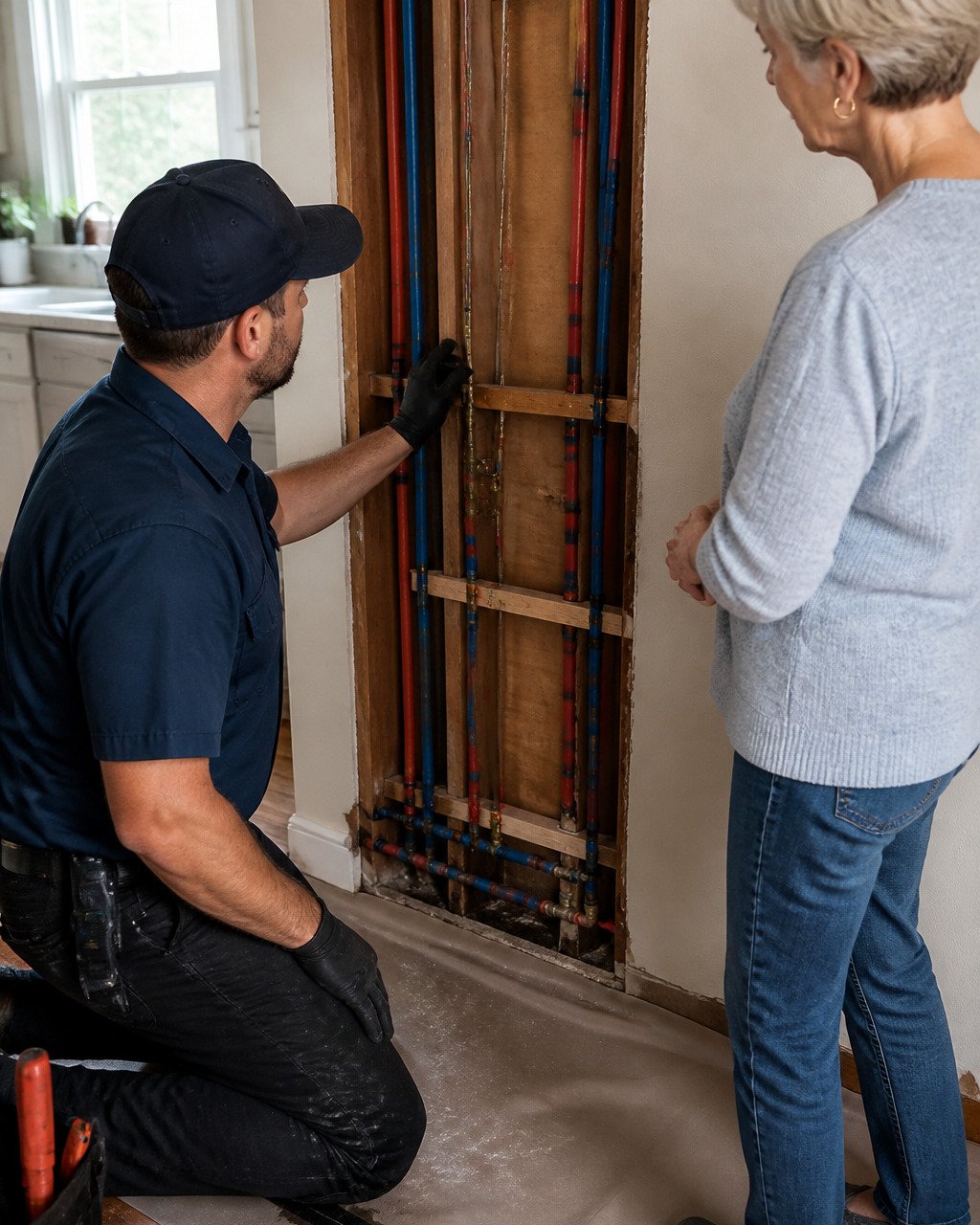
A well-run repiping project begins with inspection, not demolition. Before any pipe is replaced, the existing system should be mapped and the active leaks located, so the work targets the actual problems.
How Long Does Repiping Take?
Timelines depend on the size of the house and how much access is needed. Smaller homes with straightforward layouts are typically completed faster than larger properties where walls and floors must be opened across multiple rooms. Your installer should give you an estimated schedule during the assessment so you know what to expect before work starts.
Scheduling a Repiping Assessment for Your Older Home
If your home shows recurring leaks, pressure drops, or signs of aging pipe, a professional assessment is the fastest way to separate a repair from a full repipe. California Leak Detection Specialists offers residential slab leak detection in Corona, CA. For a clear picture of what to look for first, read how to detect slab leaks without destruction, and review signs of hidden water leaks under a slab to understand the symptoms that warrant a professional look.
Frequently Asked Questions
Does repiping a house increase its value?
A repipe does not add value in the same way a kitchen remodel might, but it removes a major concern from buyers' minds. Older homes with galvanized or polybutylene pipes often face hesitation during home sales, and buyers may request credits or walk away. Documented repiping with a written report, permit records, and warranty information can make the property easier to sell and help it compete with comparable homes. Ask a local real estate agent how buyers in your area respond to documented plumbing upgrades.
How can you tell if an older home needs repiping?
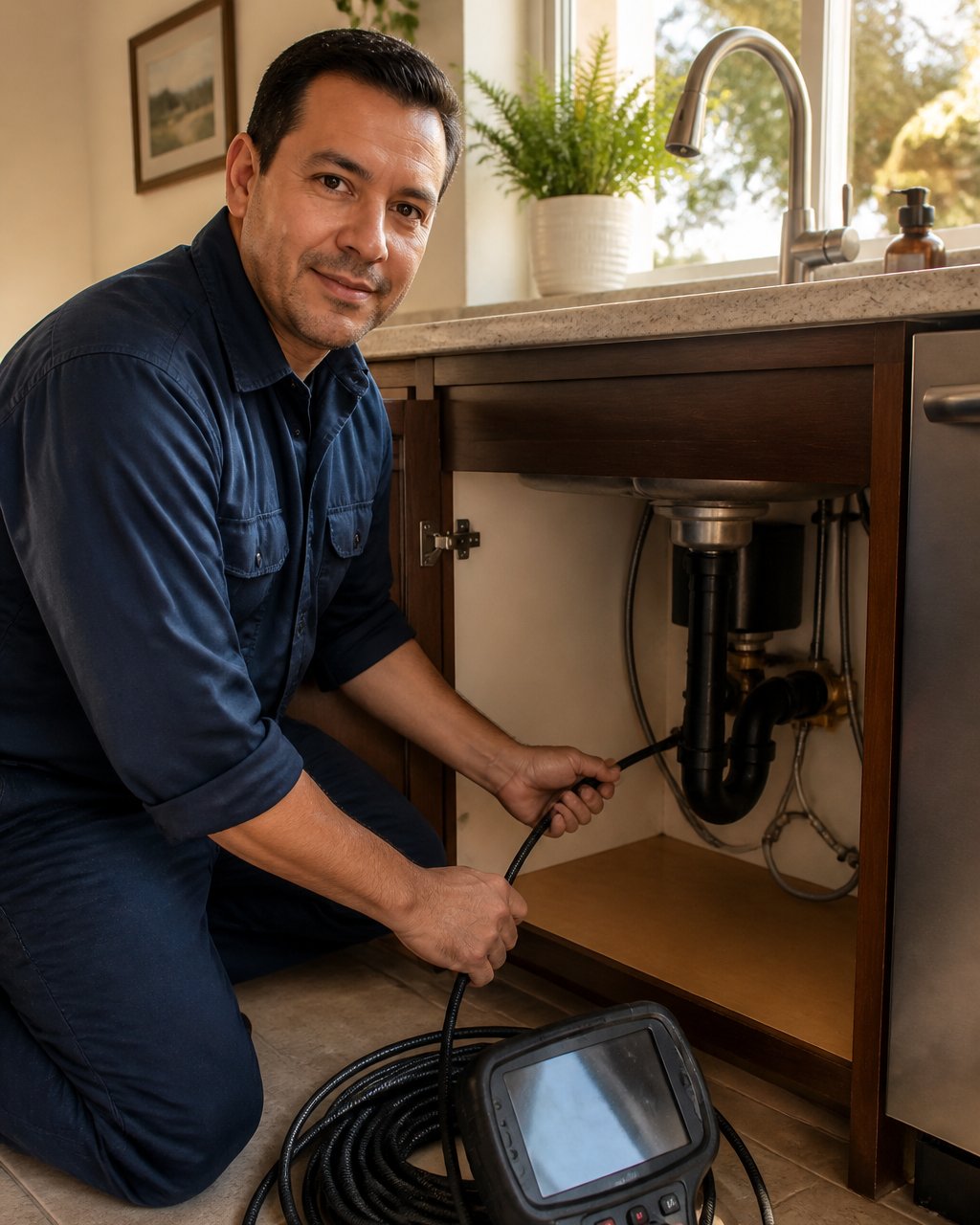
Common signs include recurring leaks in different locations, discolored or metallic-tasting water, low water pressure throughout the house, and visible corrosion or scaling on exposed pipes. Pipes made of galvanized steel or polybutylene are especially prone to failure in homes built several decades ago. A plumber can confirm the pipe material and condition with a visual inspection, and sometimes a camera inspection, before recommending a full repipe.
Which pipe materials are commonly used for home repiping?
PEX is a flexible plastic tubing that is popular for whole-home repiping because it is faster to install, resists freezing better than copper, and requires fewer fittings. Copper is rigid, durable, and has a long track record, but it costs more in materials and labor. CPVC is another option some plumbers use. The best choice depends on local code requirements, budget, water quality, and how the house is built.
How long does it take to repipe an older home?
Many single-family homes can be repiped in one to three days, depending on size, number of stories, accessibility, and the pipe material chosen. Homes with plaster walls, tile, or finished ceilings may take longer because of the additional wall and ceiling access work. Plan for some drywall or finish repairs after the new lines are tested and approved. Ask your plumber for a written timeline that accounts for inspections and cleanup.
Does repiping replace drain pipes as well as water supply pipes?
Repiping usually refers to the water supply lines that carry pressurized water to fixtures. Drain, waste, and vent lines are a separate system, and they are often evaluated with a sewer camera inspection. Some older homes need both supply and drain work, especially if cast iron or clay drain lines show cracks, root intrusion, or blockages. Your plumber should inspect both systems so you understand which, if either, needs replacement.
What should I know about permits and inspections for a repipe?
Many jurisdictions require a plumbing permit for a whole-home repipe, and the work is usually verified by a building inspector before walls are closed. Permit requirements vary by city and county, so confirm the process with your local building department. A licensed contractor typically handles the permit and inspection scheduling. Keep copies of the permit and final approval, since they can be useful for insurance and future home sales.