 ultimate-guide
Homeowners Plumbing Insurance: What's Covered
Last Updated: October 23, 2026
Quick Summary
Homeowners plumbing insurance covers water damage from sudden, accidental plumbing failures like burst pipes, frozen pipes, and unexpected leaks. Coverage applies to damage to your home and belongings caused by the leak, but not to gradual leaks, neglect, corrosion, or lack of maintenance.
- Sudden pipe bursts and frozen pipes that crack are typically covered losses under standard homeowners policies.
- Gradual leaks and water damage from neglected maintenance are excluded from coverage.
- Your policy covers damage to walls, flooring, cabinetry, and personal property caused by the plumbing failure.
- Sewer and drain backups are usually excluded unless you purchase an optional endorsement.
- Professional leak detection documentation strengthens your claim by clearly establishing the cause of the damage.
Table of Contents
- What Homeowners Plumbing Insurance Actually Covers
- Does Homeowners Insurance Cover Water Damage From a Burst Pipe
- What's Not Covered: Common Exclusions and Limitations
- The Plumbing Leak Insurance Claim Process
- Water Damage Insurance Claim Documentation Checklist
- What to Say to an Insurance Adjuster About Water Damage
- Deductibles, Limits, and When to File a Claim
- Frequently Asked Questions
What Homeowners Plumbing Insurance Actually Covers
When a pipe bursts inside your wall or water pools under your foundation, the first question is always the same: will my insurance pay for this? The answer depends on what caused the damage and how your policy is written.
Homeowners plumbing insurance doesn't work the way most people think. Your standard policy covers water damage only when it results from a sudden, accidental event.
Sudden and Accidental Leaks
When a supply line bursts and floods your kitchen cabinets and flooring, that's covered. When a toilet tank fitting cracks and water runs for hours before you notice, that's typically covered too.
Coverage applies to the damage caused by the leak, not necessarily the repair of the pipe itself. Your insurer will pay to replace wet drywall, flooring, and cabinetry.
Burst and Frozen Pipes
Burst pipes are one of the most common water damage claims.
Frozen pipes are seasonal and somewhat foreseeable, yet most policies still cover the resulting damage if the pipe actually bursts. What they won't cover is prevention, such as heat tape or insulation you should have installed.
Homeowners sometimes assume frozen pipes are automatically excluded. They're not, the exclusion applies to the lack of maintenance that allowed the freeze, not to the burst itself.
Damage to Your Home and Belongings
When a plumbing failure causes water damage, your policy covers the resulting harm to your structure and contents: wet drywall, damaged flooring, ruined cabinetry, and personal property destroyed by water, including furniture, electronics, and clothing in the affected area.
Your insurer will typically pay to repair or replace the damaged materials and items, subject to your coverage limits and deductible. The damage itself is the covered loss; the plumbing failure is simply the cause.
Does Homeowners Insurance Cover Water Damage From a Burst Pipe
Yes, if the burst itself was sudden and accidental. A burst pipe is one of the most straightforward covered losses under a standard homeowners policy, the sudden failure triggers coverage for all resulting water damage to your home and belongings.
The critical word is "sudden." If your pipe corroded for years and finally ruptured, or you ignored warning signs like persistent dampness, slow leaks, and discoloration, your insurer may argue the loss resulted from neglect rather than a sudden accident.
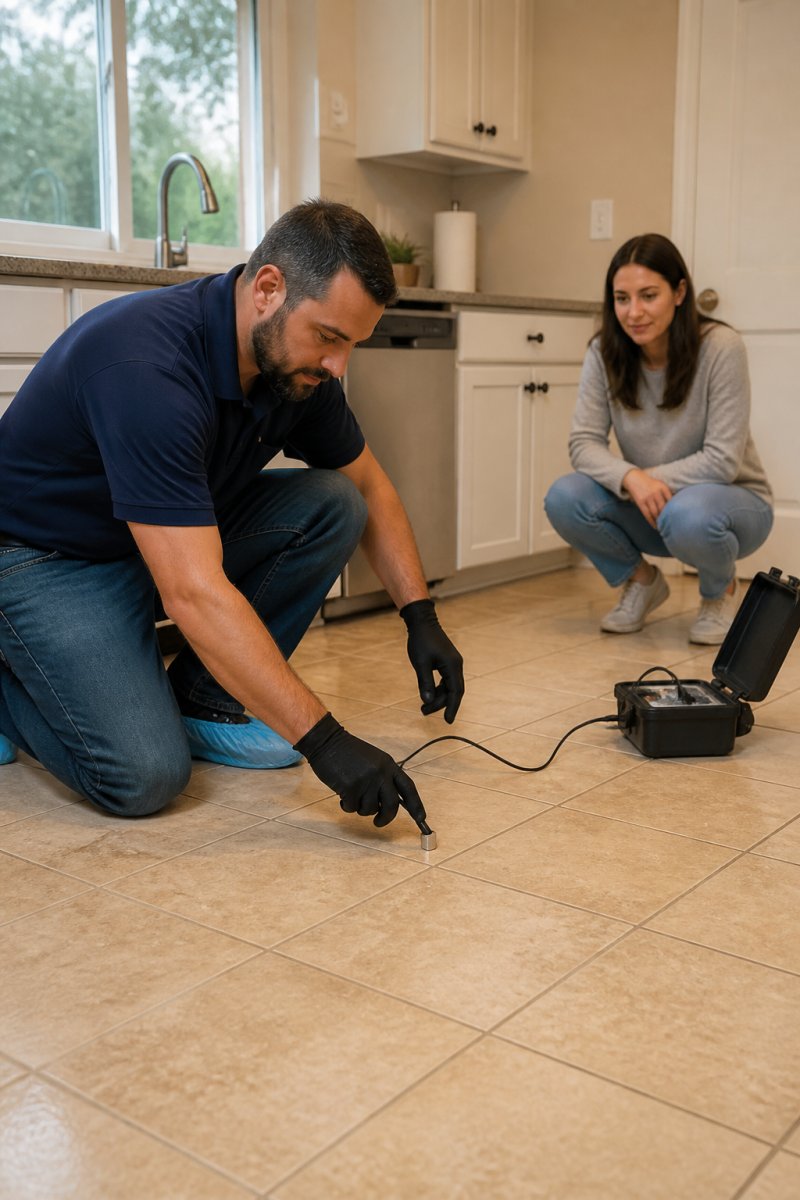
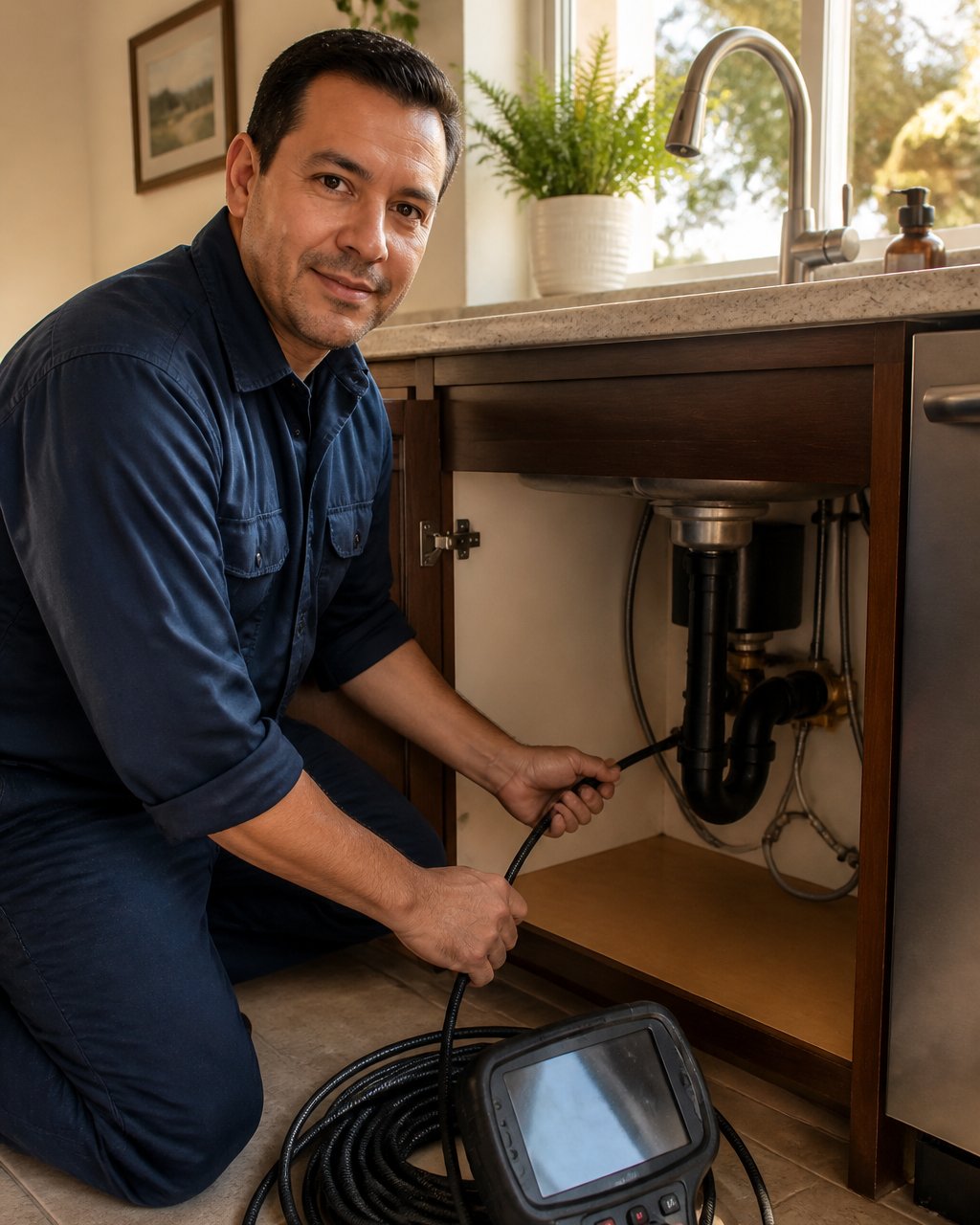
This is where professional leak detection becomes invaluable. When California Leak Detection Specialists documents a plumbing failure with photos, video inspection, and expert analysis, we create a clear record of the cause.
What's Not Covered: Common Exclusions and Limitations
Understanding what your policy excludes is just as important as knowing what it covers. Most denials stem from these exclusions, written into nearly every standard homeowners policy.
Gradual Damage and Wear and Tear
Gradual leaks are the opposite of sudden, accidental damage and are almost never covered.
The reasoning is straightforward: you had time to discover and fix the problem. Gradual damage is considered preventable through regular maintenance and inspection, your policy covers unexpected catastrophes, not deferred repairs.
This exclusion applies even if you didn't know the leak existed. If investigation reveals the leak was active for weeks or months, the insurer will classify it as gradual and exclude it, which is why early detection matters so much.
Neglect and Lack of Maintenance
Neglect is a catch-all exclusion that denies coverage when you failed to maintain your plumbing. If you didn't insulate pipes exposed to freezing, never serviced a water heater that eventually leaked, or ignored visible corrosion, your claim can be denied on grounds of neglect.
Your insurer doesn't have to prove you knew about a problem, only that a reasonable homeowner should have maintained the system. If pipes freeze in a vacant winter home because you didn't drain the system or leave heat on, that's neglect.
Sewer and Drain Backups
Sewer and drain backups are typically excluded from standard homeowners policies. If your main sewer line backs up and raw sewage floods your basement, your standard policy won't cover it, many insurers offer this as an optional endorsement for an additional premium.
The exclusion exists because sewer backups are common in certain areas, difficult to prevent, and expensive to remediate. If you live in an area prone to backups or have an older home with a failing sewer line, adding this endorsement is essential.
Corrosion and Aging Pipes
Corrosion and deterioration of pipes are excluded because they're gradual processes resulting from aging and lack of maintenance. If copper pipes have corroded internally for years and finally fail, that's not covered.
This exclusion is absolute for most policies. Even if the failure seems sudden to you, if investigation reveals the pipe was already corroded or deteriorating, the loss is excluded.
The Plumbing Leak Insurance Claim Process
Filing a plumbing damage claim requires speed, documentation, and clear communication with your insurer. The process begins the moment you discover the leak.
Immediate Steps After Discovering a Leak
Your first action is to stop the water.
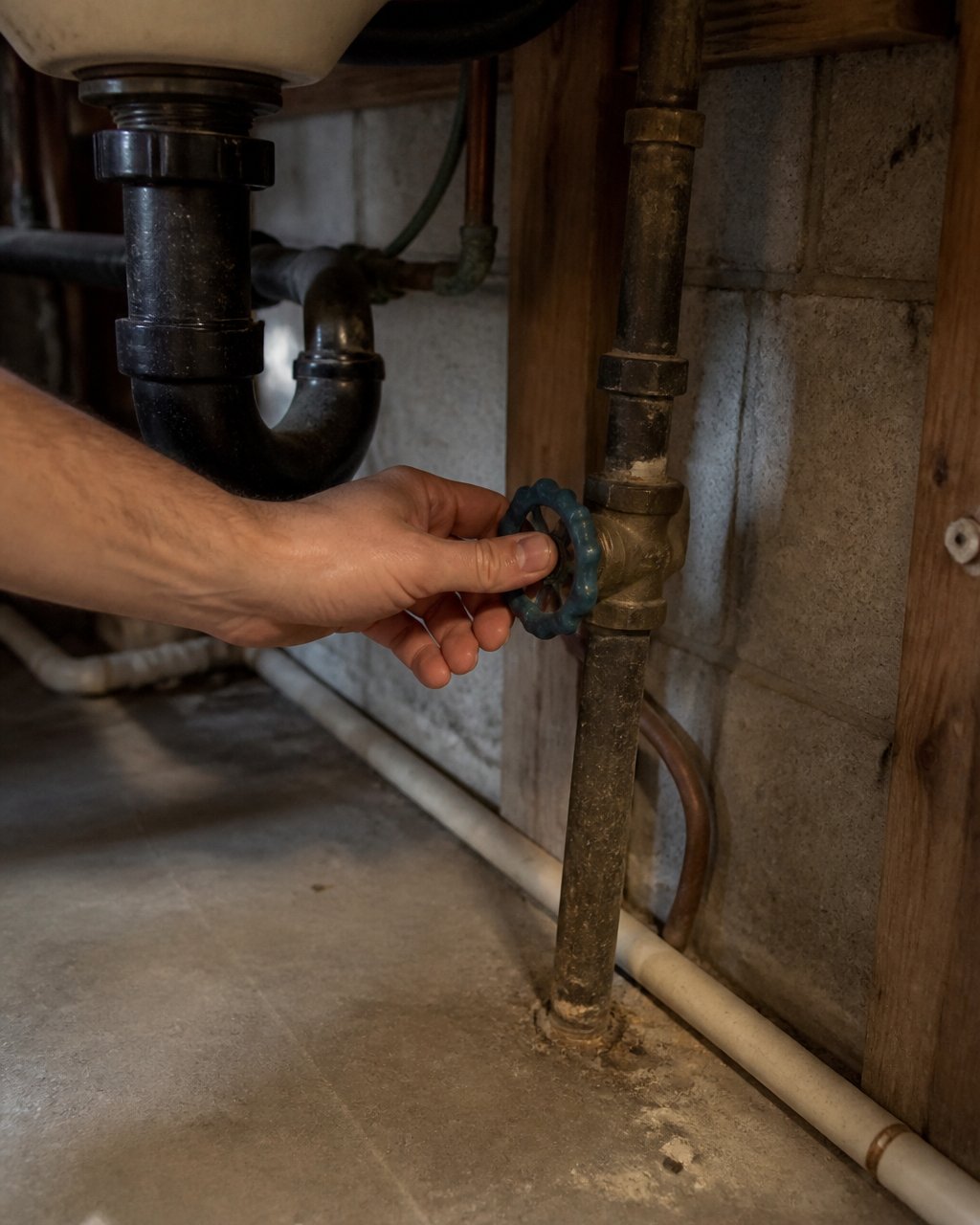
Next, document everything. Take photos and video of the visible water, affected areas, and damaged materials or belongings.
Call your insurer immediately and report the claim with a clear, factual description of what you found and when.
If the leak is severe or ongoing, contact a professional to assess it. California Leak Detection Specialists can locate the source, document the cause, and provide the expert analysis your insurer will need to process the claim fairly.
Documenting Your Claim
Documentation is everything in a plumbing damage claim, your photos, videos, and written records determine whether it's paid or denied.
Write down the timeline: when you first noticed the problem, the weather conditions, and any warning signs you ignored, such as dampness, odors, or staining.
Preserve damaged items. Don't throw away wet carpet, drywall, or furniture immediately, your adjuster may want to inspect them.
Water Damage Insurance Claim Documentation Checklist
Use this checklist to ensure you have everything your insurer needs:
| Documentation Item | Purpose | When to Collect |
|---|---|---|
| Photos of water damage from multiple angles | Visual proof of the loss and extent | Immediately after discovery |
| Video walkthrough of affected areas | Detailed record of damage and location | Within 24 hours |
| Timeline of discovery and events | Establishes when loss occurred | Before calling insurer |
| List of damaged materials and belongings | Itemizes what needs repair or replacement | Within 48 hours |
| Professional leak detection report | Identifies the cause and source | Within 1 week |
| Receipts for emergency mitigation (buckets, towels, fans) | Documents immediate response costs | As incurred |
| Correspondence with your insurer | Creates a record of communication | Ongoing |
| Adjuster's inspection notes | Documents insurer's findings | After inspection |
| Repair estimates from contractors | Supports claim amount | Within 2 weeks |
What to Say to an Insurance Adjuster About Water Damage
When your adjuster arrives, stick to facts and avoid statements that could be used against you:
Do:
- State the date and time you discovered the damage
- Describe what you saw and where: "Water was pooling under the sink" or "The ceiling was wet and dripping"
- Explain what you did immediately: "I turned off the water and called you"
Don't:
- Speculate about the cause: "I think the pipe must have frozen" or "The contractor probably installed it wrong"
- Admit to neglect or deferred maintenance: "I knew the pipes were old" or "I should have had it inspected"
- Suggest the damage is worse or more extensive than it actually is
Let your documentation speak for itself. A professional leak detection report from California Leak Detection Specialists carries far more weight than speculation. The adjuster's job is to investigate; yours is to provide accurate information and supporting evidence.
Deductibles, Limits, and When to File a Claim
Your deductible is what you pay out of pocket before insurance kicks in.
Coverage limits cap what your insurer will pay for water damage.
File a claim only if the damage significantly exceeds your deductible and you're confident the loss is covered.
Protecting your home from plumbing damage starts with understanding what your insurance covers and what it doesn't.
When you discover a leak, act immediately to stop the water and document everything.
If you're dealing with suspected water damage or need professional documentation for an insurance claim, the National Association of Insurance Commissioners recommends obtaining expert assessment before filing.
Frequently Asked Questions
Will homeowners insurance pay for plumbing issues?
Homeowners insurance covers sudden and accidental plumbing damage, such as a burst pipe or frozen pipe that causes water damage to your home. However, coverage depends on the cause and circumstances of the damage. Gradual leaks, wear and tear, lack of maintenance, and neglect are typically not covered. Your standard policy covers the resulting water damage to walls, floors, ceilings, and personal property, but the cost to repair the plumbing system itself may have limitations. Always review your policy wording and contact your insurer about your specific situation.
What kind of water damage is not covered by homeowners insurance?
Water damage from gradual leaks, corroded pipes, aging plumbing systems, and lack of maintenance is typically excluded. Sewer and drain backups are also usually not covered under a standard policy, though some insurers offer optional coverage. Damage caused by wear and tear or failure to maintain your plumbing system will be denied. Flood damage from external water sources is also excluded from standard homeowners policies. If you suspect your damage falls into these categories, ask your insurance company for a clear explanation before filing a claim.
Does homeowners insurance cover the cost to repair a leaking pipe?
Standard homeowners insurance typically covers the resulting water damage from a plumbing leak, such as damage to walls, floors, and personal property, but the cost to repair or replace the leaking pipe itself is usually your responsibility. The policy focuses on the damage caused by the leak, not the source. Some policies may include limited coverage for pipe repair under specific conditions. To understand what your policy covers, contact your insurer directly. Professional leak detection and documentation can help clarify whether the damage qualifies as sudden and accidental.
How do you file a homeowners insurance claim for plumbing water damage?
Start by stopping the water flow at the main shutoff valve and documenting the damage with photos and video. Contact your insurance company as soon as possible to report the claim and ask about the claims process. Provide detailed information about when you discovered the damage, what caused it, and which areas are affected. Your insurer will assign an adjuster to inspect the damage. Gather receipts, repair estimates, and any professional reports from leak detection or plumbing assessments. Submit all documentation promptly to support your claim and avoid delays in coverage determination.
What should you avoid saying to a homeowners insurance adjuster?
Avoid admitting that you ignored signs of the leak or delayed reporting it, as this can be interpreted as negligence. Don't speculate about the cause or guess at repair costs, stick to facts and let professionals provide assessments. Avoid downplaying the damage or being vague about when you discovered it, as this may lead to claim disputes later. Don't accept the first settlement offer without reviewing your policy limits and getting professional repair estimates. Never sign documents you don't fully understand. Be honest and straightforward, provide clear documentation, and consider having a professional report from a leak detection specialist to support your account of the damage.
Does homeowners insurance cover damage from a sewer backup?
Sewer and drain backups are typically excluded from standard homeowners insurance policies. If sewage backs up into your home and causes damage, your standard coverage will not apply. However, many insurers offer optional sewer backup coverage as an endorsement for an additional premium. This optional coverage can protect you from the significant costs of cleanup, property damage, and repairs resulting from a sewer line failure. If you live in an area prone to sewer issues or have an older home with aging sewer lines, adding this coverage is worth considering. Contact your insurer about whether this endorsement is available for your policy.
What plumbing damage is typically covered by homeowners insurance?
Standard policies cover water damage resulting from sudden, accidental plumbing failures such as burst pipes, frozen pipes that crack, and sudden leaks in the water supply line. The coverage extends to damage to your walls, floors, ceilings, and personal property damaged by the water. If a pipe bursts and causes structural damage or ruins belongings, your policy should cover the resulting damage after your deductible. Coverage for the actual pipe repair is limited or excluded. The key distinction is that insurers cover the damage caused by the plumbing failure, not the failure itself. Review your policy documents or speak with your agent to confirm what your specific coverage includes.