 ultimate-guide
Benefits of Professional Sewer Line Inspection
Table of Contents
- Why Professional Sewer Line Inspection Matters for Homeowners
- Early Detection of Sewer Line Problems Before They Become Emergencies
- Signs of a Damaged Sewer Line You Shouldn't Ignore
- How Long Does a Sewer Inspection Take and What to Expect
- Sewer Camera Inspection Cost and What Affects Your Investment
- Sewer Line Inspection for Home Buyers: Protection During Real Estate Transactions
- Documentation and Insurance Claims: How Professional Reports Protect Your Investment
- Frequently Asked Questions
Last Updated: October 4, 2026
Why Professional Sewer Line Inspection Matters for Homeowners
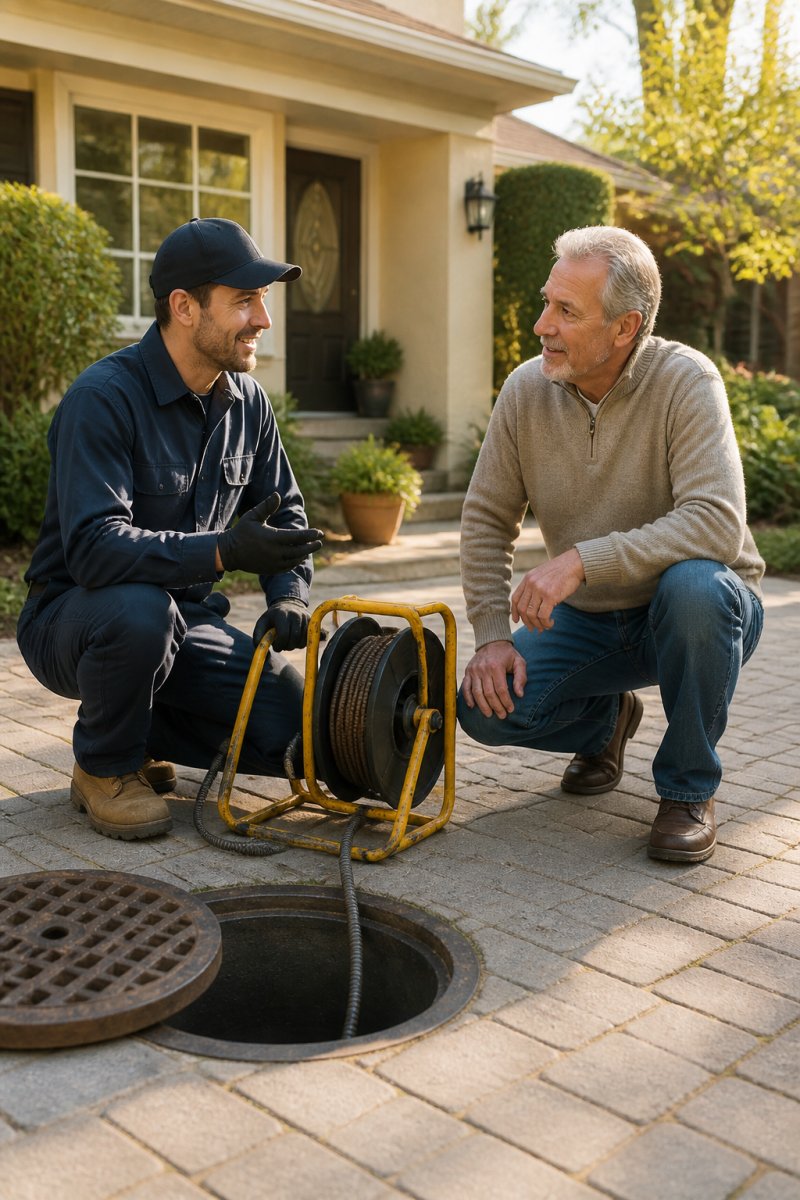
A sewer line inspection is a diagnostic procedure that uses a fiber optic camera to examine the interior condition of your home's drainage system without excavation. At California Leak Detection Specialists, we help homeowners understand what's happening beneath their properties, often preventing costly emergencies before they start.
Most homeowners never think about their sewer line until something goes wrong. A professional sewer line inspection reveals hidden problems, root intrusion, corrosion, or structural collapse, that would otherwise remain invisible. The cost of knowing is far lower than the cost of guessing.
Early detection is key. A camera inspection identifies issues when repair options are still affordable and non-invasive. Wait until your yard floods or sewage backs up, and you're facing emergency excavation and complete pipe replacement.
Early Detection of Sewer Line Problems Before They Become Emergencies
Professional inspection catches problems while they're manageable. An inspection identifies issues early, when trenchless repair methods like hydro-jetting or pipe relining can solve them without major excavation.
A small root intrusion discovered early can be cleared with hydro-jetting. Left unattended, it grows into structural failure requiring complete pipe replacement.
Many homeowners discover problems only after experiencing slow drains, recurring backups, or soggy patches. A professional sewer line inspection bypasses the guesswork, showing exactly what's happening: debris buildup, bellied sections, offset joints, or root penetration.
A documented inspection report becomes part of your property history, valuable for future real estate transactions or insurance claims.
Signs of a Damaged Sewer Line You Shouldn't Ignore
Slow drains affecting multiple fixtures simultaneously often point to a main line issue. Recurring backups despite repeated clearing suggest a structural problem, not a simple blockage.
Sewage odors near the cleanout or unusually lush grass patches over the sewer line path indicate a breach or leak, a health hazard requiring immediate attention.
Foundation cracks, sudden water pooling during dry weather, and pest infestations can all signal sewer line damage.
These symptoms warrant a professional sewer line inspection to confirm what's actually happening and guide repair decisions.
How Long Does a Sewer Inspection Take and What to Expect
A typical residential sewer line inspection takes one to three hours. Most residential lines run 50 to 100 feet from your home to the municipal connection.
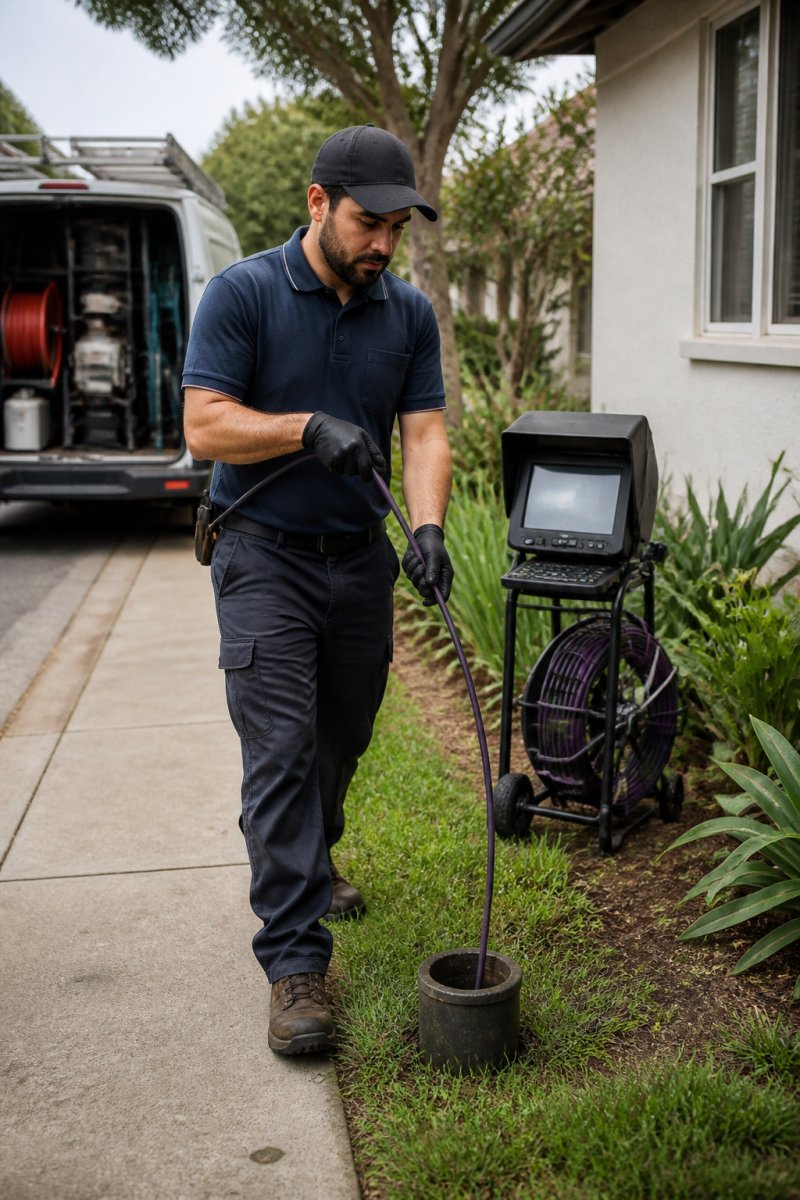
The technician locates your sewer cleanout and inserts the camera, guiding it through the entire line while documenting findings in real time on a monitor.
Professional Camera Technology vs. DIY Rental Equipment
Professional sewer cameras use high-resolution fiber optic systems with real-time video, self-leveling heads, and integrated locating transmitters that pinpoint problems from above ground. They navigate the full length of residential lines without getting stuck.
DIY rental cameras lack locating capability and struggle with bends common in residential systems. Without professional training in pipe defect classification, you may miss early-stage problems or misidentify damage on low-resolution footage.
Professional technicians are trained to identify and classify pipe defects according to industry standards, the classification system used by municipalities, insurance companies, and repair contractors. This standardized assessment ensures that your inspection report uses terminology and severity ratings that other professionals understand and can act on.
What You'll See During the Inspection
You'll watch the inspection unfold on a screen, seeing exactly what the camera captures: the pipe material, its condition, any obstructions, areas of damage, and the location of problems. The technician narrates findings as they occur, pointing out roots, cracks, offset joints, or debris. This real-time feedback helps you understand what's happening in your line without needing to interpret technical jargon later.
As the camera moves through the pipe, the technician documents the depth of the camera at each point, which translates to the distance from your cleanout. This location data is essential for repair planning. If a crack is found 30 feet from the cleanout, the repair contractor knows exactly where to focus excavation or trenchless repair efforts.
After the camera passes through the entire line and reaches the municipal connection (or as far as access allows), the technician retrieves the camera and reviews the footage. The inspection concludes with a discussion of findings and recommendations.
Total time from arrival to departure is usually two to four hours, including setup, inspection, and consultation. Your schedule disruption is minimal compared to the information you gain.
Sewer Camera Inspection Cost and What Affects Your Investment
Professional sewer line inspection pricing depends on several factors specific to your property. Understanding what drives cost variation helps you evaluate quotes and recognize fair pricing from inflated estimates.
Primary Cost Drivers
Line length is the most straightforward factor. A 50-foot inspection takes less time than a 150-foot inspection. Most professionals charge either a flat rate for standard residential lines (typically 50-100 feet) or an incremental fee per additional 25 or 50 feet. If your property is on a larger lot or sits further from the municipal sewer connection, expect a higher fee.
Cleanout accessibility significantly affects labor time and therefore cost. If your cleanout is easily accessible, visible in your basement, crawlspace, or yard, the technician can begin the inspection quickly. If the cleanout is buried under concrete, asphalt, landscaping, or soil, the technician must locate and carefully expose it before the camera can be inserted.
Pipe material and condition affect inspection difficulty. Older clay or cast iron pipes may be more fragile, requiring slower camera movement to avoid damage. Some pipes have multiple sharp bends or connections that require careful navigation.
Multiple access points can increase cost. If your property has a separate storm drain line, a grease trap, or multiple drainage systems, inspecting each one requires additional camera passes and time.
Market and Timing Factors
Your location and local market conditions influence pricing. Urban areas with higher labor costs and greater demand for plumbing services typically charge more than rural regions. Emergency inspections outside standard business hours (evenings, weekends, holidays) usually cost 1.5 to 2 times the standard rate due to overtime labor.
Seasonal demand also plays a role. Spring and fall, when homeowners are most likely to address drainage issues before winter or summer, often see higher pricing due to increased demand. Winter inspections in cold climates may cost more if ground conditions make cleanout access difficult.
Getting Accurate Quotes
For accurate pricing specific to your situation, contact a local professional for a quote. Most companies offer free initial consultations where they ask about your line length, symptoms, access points, and pipe material, information they use to provide realistic estimates. Be prepared to describe:
- Approximate distance from your home to the street (helps estimate line length)
- Whether your cleanout is visible or buried
- The age of your home (older homes often have clay or cast iron pipes)
- Whether you've experienced backups, slow drains, or other symptoms
- Whether this is a routine inspection or you suspect damage
Comparing quotes from multiple providers gives you a sense of typical costs in your area and helps you identify any unusually high or suspiciously low bids. A quote significantly lower than others may indicate the company plans to cut corners or upsell you on repairs you don't need.
Most professional inspections for standard residential lines fall within a predictable range for your market. Once you've gathered a few quotes, you'll have a clear sense of fair pricing and can make an informed decision based on the company's reputation, equipment quality, and whether they provide a written report with video documentation.
Sewer Line Inspection for Home Buyers: Protection During Real Estate Transactions
If you're purchasing a home, a sewer line inspection should be part of your due diligence, not an afterthought. Many buyers discover sewer problems only after closing, when they're responsible for repairs that the previous owner should have disclosed or addressed.
A pre-purchase inspection gives you several advantages. First, it reveals the actual condition of the sewer line before you commit to the property. If significant damage exists, you can negotiate repairs or credits with the seller. If the line is sound, you have documented proof that you inherited a functioning system, valuable protection if problems emerge later and the seller tries to claim they disclosed nothing.
Second, the inspection report becomes part of your closing documentation. It establishes a baseline condition for the property at the time of purchase. Should issues arise within months of closing, you have evidence of what existed when you took ownership, supporting potential claims against the seller or their real estate agent for non-disclosure.
Third, knowing the sewer line's condition helps you plan your ownership. If the inspection reveals early-stage damage that doesn't require immediate repair, you can budget for maintenance or preventive measures over the next few years rather than facing an unexpected emergency.
Real estate transactions often include contingencies for inspections. A sewer camera inspection fits within that framework, protecting your investment and giving you complete information before you finalize the purchase.
Documentation and Insurance Claims: How Professional Reports Protect Your Investment
When sewer line damage is covered by homeowner's insurance, the quality of your inspection documentation becomes critical. Insurance companies require clear evidence of the damage, its cause, and the necessity of repairs before they approve claims. A professional sewer line inspection provides exactly that evidence.
A comprehensive inspection report includes still images and video footage from inside the pipe, pinpointing where damage occurs and what caused it. The report documents pipe material, diameter, depth, and overall condition. It identifies specific problems: root intrusion with measurements, cracks with locations, bellied sections with severity assessments, and offset joints that indicate movement.
This level of detail matters to insurance adjusters. A report showing a 2-inch crack in a cast iron pipe at 15 feet from the cleanout is far more credible than a homeowner's description of "problems with the sewer line." The visual evidence supports the claim that damage exists, that it requires professional repair, and that the cause is covered under the policy.
California Leak Detection Specialists provides documentation that insurance companies understand and accept. Our reports include the technical detail adjusters need to process claims efficiently, reducing back-and-forth requests for clarification and speeding approval.
If you're filing a claim for sewer line damage, having a professional inspection report completed before you submit the claim strengthens your position. It demonstrates that you took reasonable steps to document the problem professionally, not just based on symptoms or assumptions.
Professional sewer line inspection transforms uncertainty into actionable information. Whether you're a homeowner concerned about hidden damage, a buyer protecting your investment, or someone filing an insurance claim, the inspection provides the evidence you need to make informed decisions. California Leak Detection Specialists helps homeowners understand their drainage systems and plan the right solutions. Call (951) 278-8999 to schedule a sewer camera inspection and get the documented answers your situation requires.
Frequently Asked Questions
Is a sewer line inspection worth it for a homeowner?
Yes, a professional sewer line inspection provides early detection of root intrusion, pipe corrosion, and structural damage that can cost thousands to repair if left undiagnosed. The inspection identifies issues like bellied pipes, offset joints, and debris buildup before they cause sewage backups or foundation damage. For homeowners facing plumbing issues or buying a home, the inspection cost is far less than emergency repairs or discovering hidden sewer line damage after purchase.
What common plumbing issues can a sewer camera detect?
A sewer scope reveals root intrusion, pipe corrosion, cracks, bellied sections, offset joints, sewer line blockage from debris, and pipe collapse. The real-time video feed shows the exact location and severity of damage throughout your drainage system and sewer lateral. This diagnostic precision means repairs target only the problem areas, avoiding unnecessary excavation and damage to your property.
Can a professional sewer inspection help with insurance claims?
Professional sewer inspections provide detailed documentation with photos and video evidence that strengthens insurance claims for sewer line damage. Clear reports showing structural integrity issues, root damage, or pipe collapse give your insurance company the evidence needed to approve coverage. Many homeowners find that professional inspection reports significantly streamline the claims process and increase approval odds.
How often should I schedule a professional sewer line inspection?
Preventive maintenance inspections are recommended every 3-5 years for older homes or those with clay pipes and cast iron pipes, which are more prone to root intrusion and corrosion. Homes with PVC piping may go longer between inspections. Schedule immediate inspections if you notice slow drains, sewage odors, or wet patches in your yard. Real estate transactions also warrant a pre-purchase inspection to avoid inheriting expensive sewer problems.