 How-to
How to Tell a Slab Leak From a Sewer Leak at Home
Quick Summary
A slab leak vs sewer problem is told apart by whether water keeps moving through the meter when every fixture is off. A slab leak is a pressurized supply line under the concrete, so it often keeps the meter running, while a sewer leak is gravity-fed wastewater and usually shows up only when water is used.
- Check the water meter with all fixtures off and everyone out of the house.
- A moving meter reading points to a continuous supply leak under pressure.
- A still meter does not rule out a drain leak, since wastewater flows by gravity.
- Sewer odors, slow drains, and gurgling sounds are common signs of a drain problem.
- Warm spots on the floor, especially with the water heater running, suggest a hot-water supply leak.
Table of Contents
- What a Slab Leak and a Sewer Leak Actually Are
- Slab Leak Symptoms to Watch For at Home
- Sewer Leak Under Slab Signs and How They Differ
- Comparing Slab Leak Symptoms and Sewer Issues Side by Side
- Step-by-Step Home Checks to Separate Water-Line and Sewer Problems
- How Professionals Use Slab Leak Detection to Confirm the Source
- Is a Slab Leak Covered by Insurance and Booking Your Inspection
- Frequently Asked Questions
How to Tell a Slab Leak From a Sewer Leak at Home
Last Updated: November 14, 2026
What a Slab Leak and a Sewer Leak Actually Are
A slab leak is a leak in a pressurized water supply line that runs under a home's concrete foundation slab. A sewer leak is a leak in a drain or wastewater line that also runs under the slab or nearby. When homeowners compare a slab leak vs sewer problem, the two can look alike from inside the house, which is why many homeowners mix them up.
Here is the key difference. Supply lines carry fresh water under pressure. Drain lines carry wastewater by gravity, with no pressure behind it. That single difference explains most of the symptoms you will see.
At California Leak Detection Specialists, we handle residential leak detection only. Knowing the difference helps you describe the problem clearly and act faster.
Slab Leak Symptoms to Watch For at Home
Slab leaks tend to show up in a few predictable ways. Watch for these signs:
- Warm or hot spots on the floor, especially when the water heater is running
- Damp or soft flooring with no obvious source above it
- Higher water bills that do not match your normal household use
- The sound of running water when every fixture is off
- A rise in your water meter reading even when no one is using water
A supply leak is pressurized, so it often keeps water moving even when nothing is turned on. Check your water meter with all fixtures off and everyone out of the house. If the small dial keeps moving, water is escaping somewhere in the supply system.
Slab leaks can also cause mold, cracked tile, and soil erosion under the house. If you see any of these, do not wait to act.
Sewer Leak Under Slab Signs and How They Differ
Drain and sewer leaks behave differently. Because wastewater flows by gravity, a sewer leak usually does not keep the meter running when fixtures are off. Instead, the signs tend to show up when you use water.
Common signs of a sewer problem include:
- Sewer odors inside the home, especially near floor drains
- Slow drains or backups that come and go
- Gurgling sounds from toilets or sinks when water drains elsewhere
- Soggy or foul-smelling soil near the sewer line outside
- Problems that appear only when fixtures are used, such as a leak that shows up during a shower or after running the dishwasher
Sewer leaks are often intermittent. You may notice the problem only after a load of laundry or a long shower, so keep notes on when symptoms appear.
Comparing Slab Leak Symptoms and Sewer Issues Side by Side
Use this table to compare a slab leak vs sewer problem at a glance:
| Clue | Likely Slab (Supply) Leak | Likely Sewer (Drain) Leak |
|---|---|---|
| Water meter with fixtures off | Keeps moving | Usually still |
| Warm floor spots | Common | Rare |
| Sewer smell | Rare | Common |
| Backups or slow drains | Uncommon | Common |
| Symptoms when water is used | Sometimes | Often the main clue |
| Sound with fixtures off | Hissing or running water | Usually quiet |
No single clue settles the question. A pattern across several clues gives a much clearer picture.
Step-by-Step Home Checks to Separate Water-Line and Sewer Problems
You can run a few safe checks before calling a professional. These steps need no tools beyond a flashlight and a notepad. The goal is to gather clues, not to open the slab or dig near buried lines.
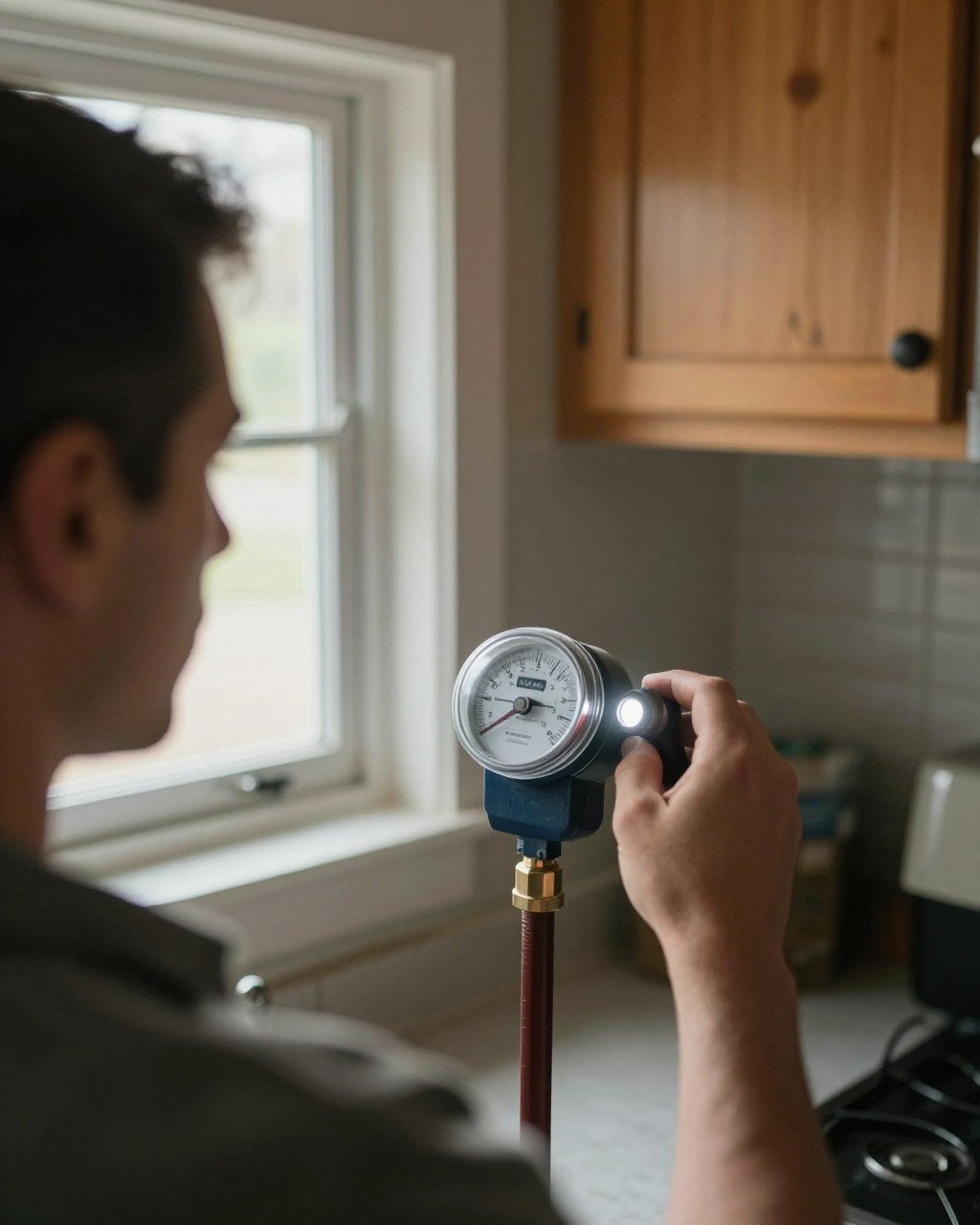
- Check the water meter with all fixtures off. Turn off every faucet, appliance, and the irrigation system. Record the meter reading, wait one hour, and check again. A moving reading points to a continuous supply leak. A still meter does not rule out a drain leak, because gravity-fed wastewater does not keep the meter running.
- Watch for symptoms during normal use. Run the shower, washing machine, and dishwasher one at a time. Note any backups, gurgling, or odors. A problem that appears only when a fixture is used is a strong clue for a drain-side issue.
- Look for warm spots. Feel the floor with bare feet or a hand, especially near the water heater and in the hallway. Warm spots that appear when the water heater is running suggest a hot-water supply leak.
- Inspect the outdoor cleanout and visible pipes. Look for wet soil, unusually green grass, or sewer smells near the cleanout. These signs point toward a drain or sewer line rather than a pressurized supply line.
- Test one drain at a time. Run water in one fixture and check whether a nearby drain backs up. Repeat for each drain. This helps isolate a localized blockage or a broken drain line.
Watch out: a still water meter can create false reassurance. A drain leak that only occurs when you shower or run the dishwasher may not register on the meter at all. If symptoms appear only during use, treat the problem as a possible drain leak even if the meter test is clean.
Stop testing and call a professional if you smell sewage, see standing wastewater, or notice water where it should not be. Do not break into concrete or dig near buried lines based on guesswork. A wrong cut can cause expensive damage.
How Professionals Use Slab Leak Detection to Confirm the Source
Home checks can narrow the problem, but they cannot prove where the leak is. Professionals use noninvasive methods to confirm the source before any concrete is opened. Each tool answers a different question, and no single method works for every leak.
-
**
-
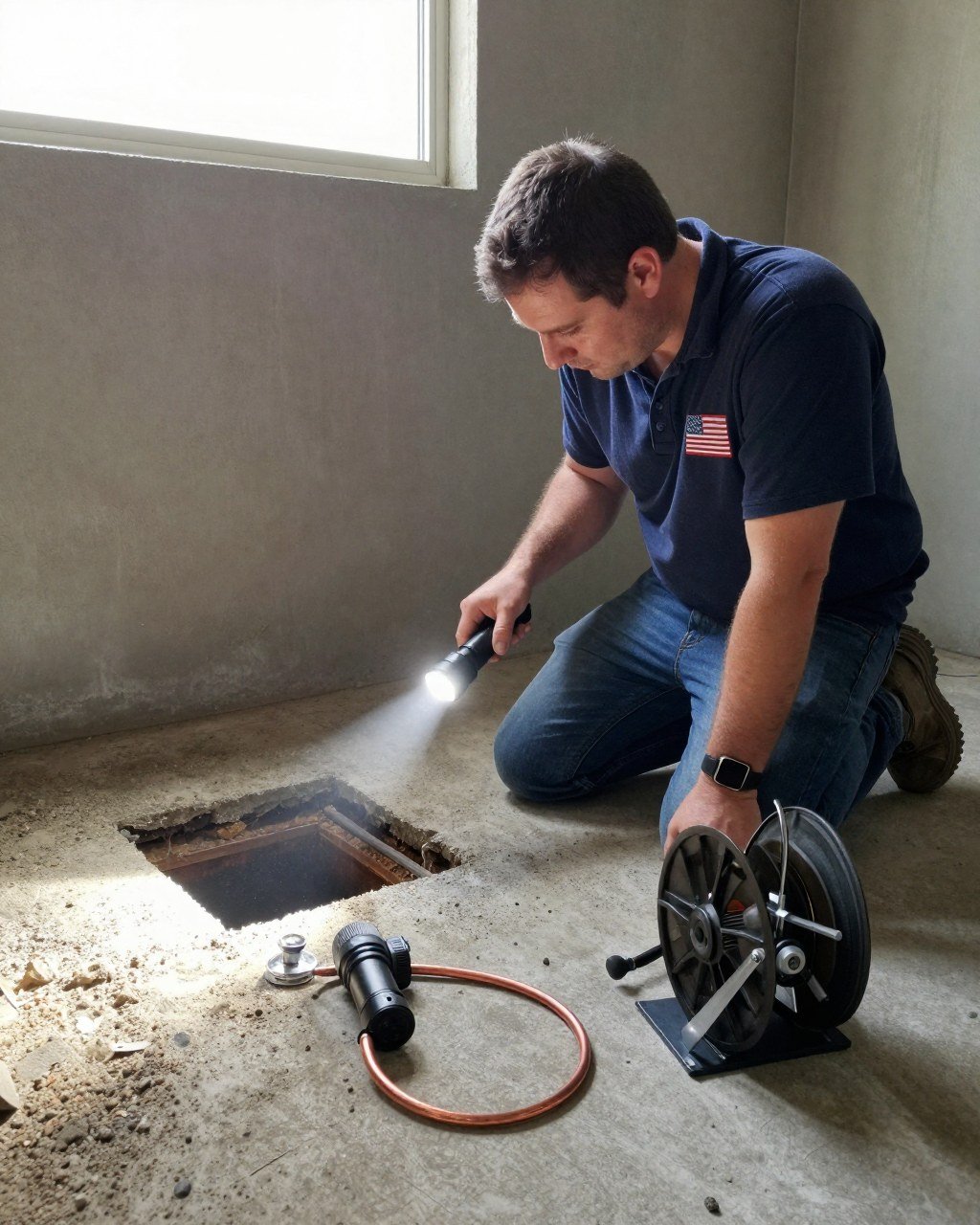
Acoustic detection uses sensitive listening equipment to hear water escaping a pressurized pipe. It works best on active supply leaks and can help locate the general area, but it may miss intermittent or very small leaks.
-
Sewer-camera inspection sends a camera through the drain line to show cracks, root intrusion, and blockages. It is the most direct way to confirm a drain or sewer leak, but it does not evaluate the supply system.
The most useful outcome for a homeowner is a clear written report that states which method was used, what it found, and what it could not establish. At California Leak Detection Specialists, we provide clear reports, photos, and repair information so you know exactly what was found and why. Clear documentation also matters if you need to file an insurance claim.
Is a Slab Leak Covered by Insurance and Booking Your Inspection
Coverage depends on your policy and the cause of the damage. Read your policy or call your insurer before assuming coverage. You can learn more about how homeowners policies treat water damage from Insurance Information Institute guide on homeowners water damage coverage.
Having a detailed report makes a claim much easier to support.
If you suspect a hidden leak in Corona, start with a professional inspection rather than guessing. You can book a residential slab leak inspection to confirm the source before any repairs begin.
To understand what the detection process involves, read how to detect slab leaks without destruction. For a deeper look at the non-invasive methods professionals use, see 5 non-invasive slab leak detection methods explained.
Hidden leaks are hard to pin down from the surface, and guessing wrong costs time and money. California Leak Detection Specialists locates the source with noninvasive testing and gives you clear documentation. Our licensed, bonded, and insured team (CSLB License #741886) handles residential leak detection in Corona and nearby areas. Call (951) 278-8999 to schedule your inspection.
Frequently Asked Questions
Can you have a slab leak and not know it?
Yes. A slab leak often shows no visible puddle. Homeowners usually notice indirect signs first, such as a water bill that rises without a change in household use, a warm or damp spot on the floor, or the sound of running water when every fixture is off. Checking your water meter with all water turned off is a simple way to catch a hidden supply leak early. If you see these signs, a residential leak detection specialist can confirm the source before any concrete is disturbed.
Will insurance pay for a slab leak?
Coverage depends on your policy and the cause of the loss, so review your homeowner's policy or ask your insurer directly. Many policies treat sudden water damage differently from long-term seepage or wear. Detailed documentation of the leak location, photos, and a written diagnostic report from a licensed professional can help your claim. California Leak Detection Specialists provides clear reports and photos for insurance-related plumbing losses, which can make the claim process easier to follow.
How do plumbers detect a slab leak?
A sewer camera can check whether the problem is in a drain line rather than a pressurized supply line. Confirming the source before opening the slab reduces unnecessary digging and helps you plan the repair with accurate information.