 blog
blog
Emergency Home Leak Repair: What to Do Now
Table of Contents
- What to Do When You Discover a Water Leak
- How to Shut Off Water to Your House
- Signs of a Plumbing Leak You Shouldn't Ignore
- When to Call for Emergency Home Leak Repair
- Understanding the Plumbing Leak Repair Process
- Hidden Leaks and Professional Detection
- Insurance Documentation and Your Repair Claim
- Frequently Asked Questions
Last Updated: October 12, 2026
What to Do When You Discover a Water Leak
Finding a water leak in your home triggers an immediate decision: panic or act. The smartest homeowners take action first. When you spot standing water, hear running water with no faucets on, or notice a sudden spike in your water bill, you're facing an emergency home leak repair situation that demands your attention right now.
Your first steps matter more than you might think. Turn off the water at the main shutoff valve immediately. Then locate the exact source if you can do so safely. Document everything with photos and videos, these become critical evidence if your insurance gets involved later. Don't assume the leak will stop on its own or that it's minor. Even small leaks cause serious water damage over hours.
At California Leak Detection Specialists, we've seen homeowners waste precious time trying DIY fixes when professional detection and repair would have saved them thousands. The difference between a contained problem and a catastrophic one often comes down to how fast you respond.
How to Shut Off Water to Your House
Your main water shutoff valve is your emergency brake. Locate it before you need it. Most homes have one where the water line enters the house, typically in the basement, crawl space, utility room, or near the foundation.
The valve looks like a handle or lever attached to a pipe. Turn it clockwise (for a handle) or flip the lever perpendicular to the pipe. The water stops flowing through your entire home.
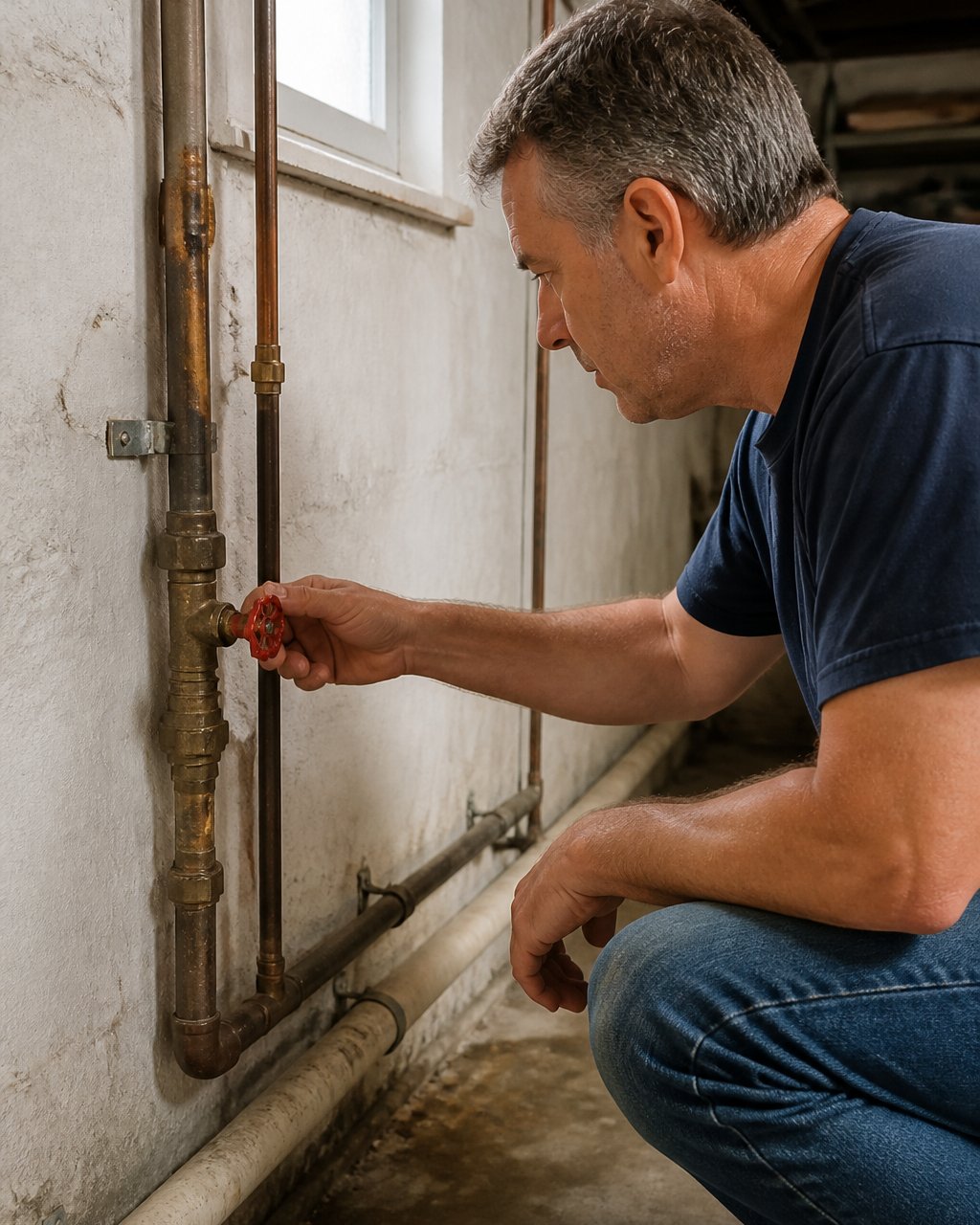
If you can't find the main shutoff, check your water bill or contact your local water utility, they can tell you where it's located. Mark it with bright tape so everyone in your household knows where it is.
Some homes also have shutoff valves under sinks or behind toilets. These are useful for isolated leaks but won't stop water from reaching other parts of your plumbing system. The main shutoff is your comprehensive solution.
Signs of a Plumbing Leak You Shouldn't Ignore
Not every leak announces itself with visible water. Some hide inside walls, under slabs, or in underground lines. Recognizing the warning signs separates homeowners who catch problems early from those who face major damage.
A sudden jump in your water bill is often the first red flag. If your usage patterns haven't changed but your bill climbs 10 percent or more, a hidden leak is the most likely culprit. Check your meter before and after turning off all water sources. If the meter keeps running, you have an active leak somewhere in your system.
Listen for running water sounds when no fixtures are in use. Hissing, dripping, or flowing water behind walls or under floors means water is moving where it shouldn't be. Soft spots in flooring, discoloration on ceilings or walls, or a musty smell indicate water damage from an ongoing leak.
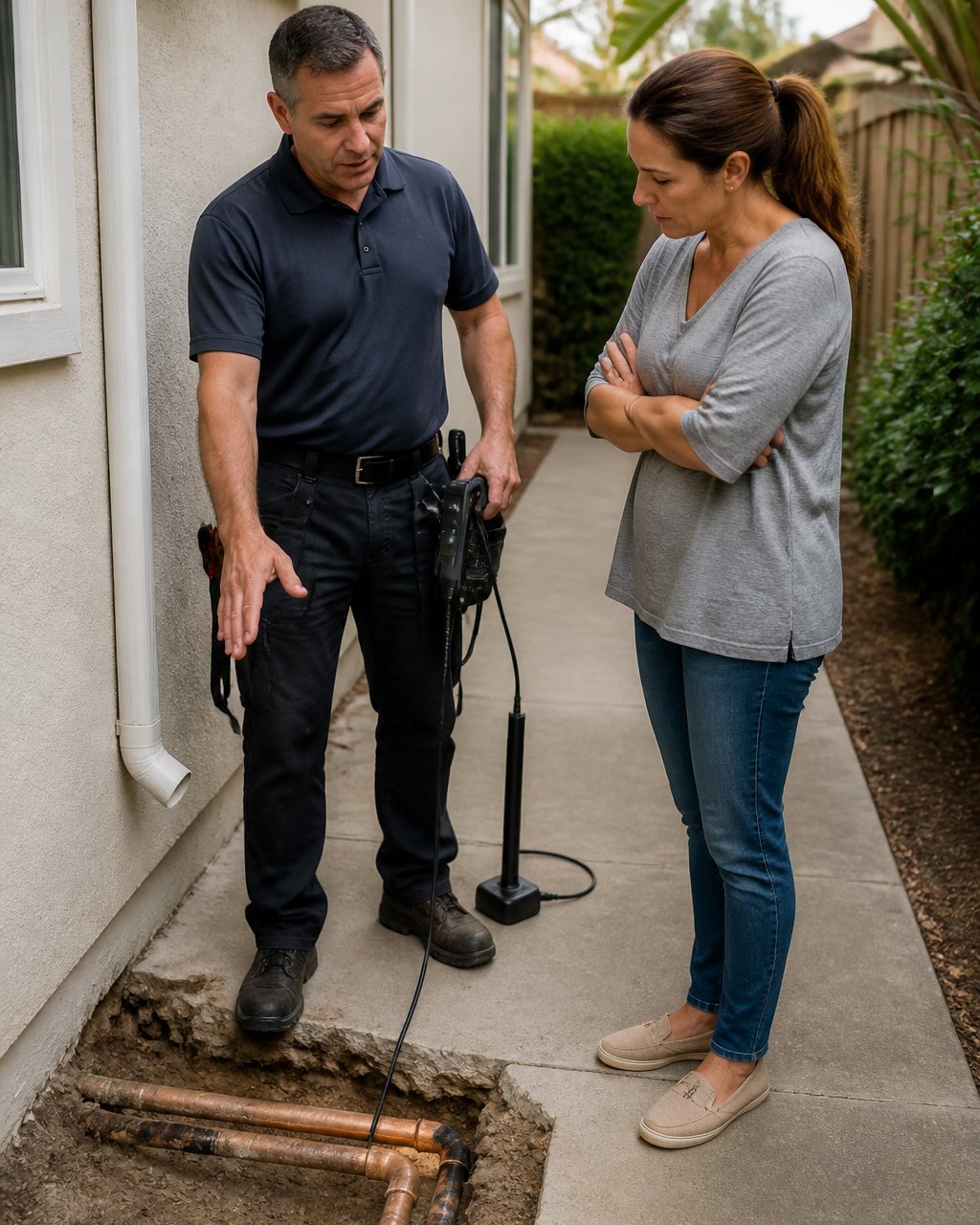
Pooling water in your yard, wet patches that don't dry, or unusually green grass in one area can signal a slab leak or underground line break. These hidden leaks cause the most expensive damage because they go unnoticed for weeks or months.
When to Call for Emergency Home Leak Repair
Not every leak is an emergency, but the ones that are get worse by the hour. Use this triage framework to decide whether you're calling now or scheduling for tomorrow morning.
Call immediately, active emergency:
- Water is actively flowing and won't stop after you've closed the fixture valve or the main shutoff.
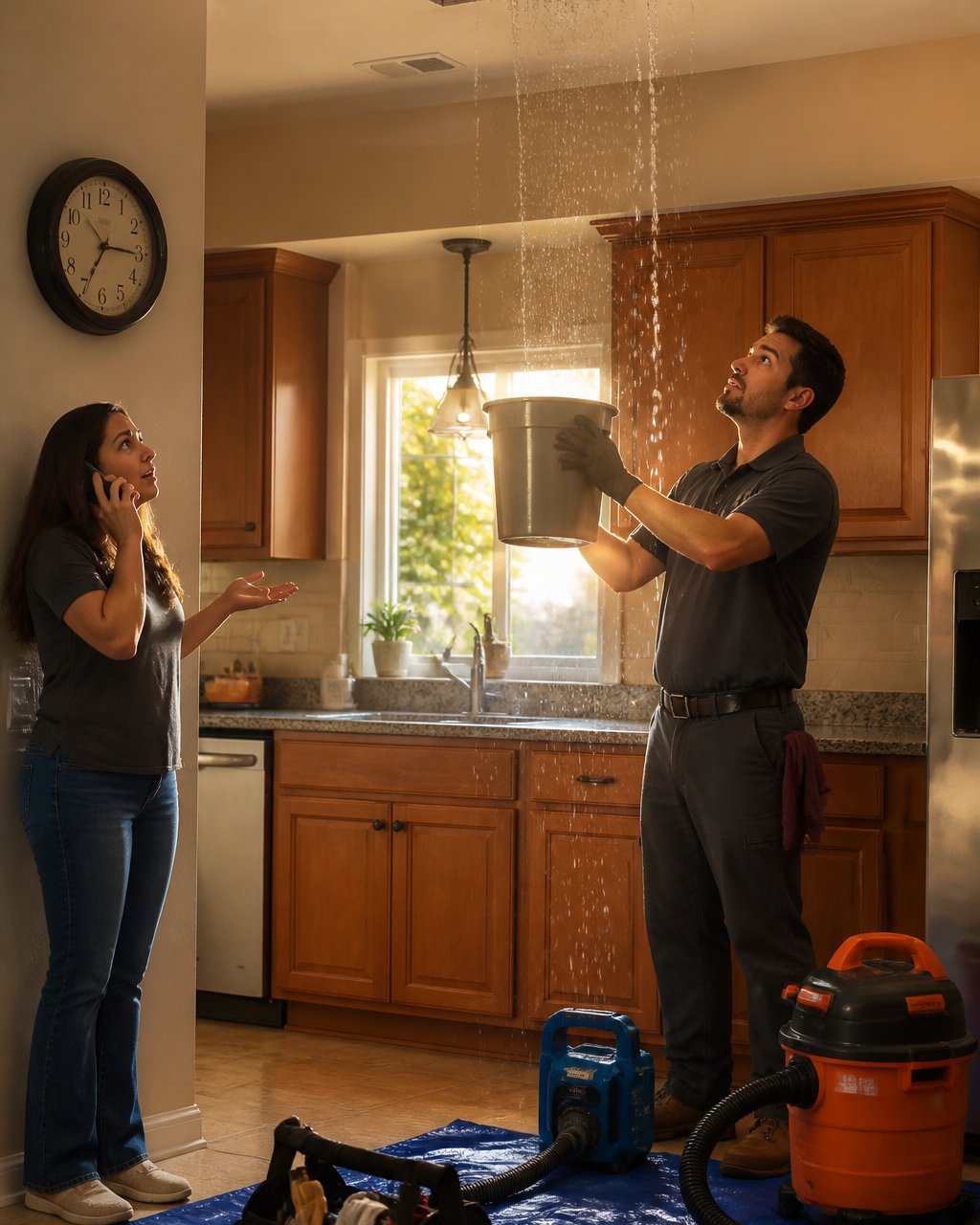
- A pipe has burst, or water is spraying, gushing, or pouring from a wall, ceiling, or floor.
- The leak involves sewage or gray water (toilets, drains, sewer lines). This is a contamination and health issue, not just a water issue.
- Water is anywhere near electrical outlets, a breaker panel, a water heater, or a furnace. Treat this as a combined plumbing and electrical emergency.
- You see sagging drywall or a bulging ceiling, the material is holding water and can collapse.
- Water is spreading across a finished floor, into a basement, or toward stored belongings faster than towels can contain it.
Call the same day, urgent but not actively flooding:
- You've shut off the water and the flow has stopped, but the leak source is still unidentified.
- A water heater is leaking from the tank or a fitting (not the pressure relief valve, which is a separate safety issue).
- A toilet or supply line is seeping steadily but slowly.
- You've found hidden-leak indicators, a climbing water bill, a meter that spins with all fixtures off, warm spots on a slab floor, or a musty smell inside a wall.
Can typically wait for a scheduled visit:
- A single dripping faucet or a slow drain that isn't backing up.
- A toilet that runs intermittently but doesn't leak onto the floor.
- A minor under-sink seep you've contained with a bucket and the cabinet is dry.
Escalation signs that turn a 'wait' into a 'now':
- The water bill jumps sharply between two consecutive readings.
- You hear water running when every fixture is off.
- A musty or earthy smell appears in a room with no obvious moisture.
- Flooring feels soft, spongy, or unusually warm underfoot.
- Paint or wallpaper starts peeling or bubbling on an interior wall.
A useful rule of thumb: if you can't identify the source and stop the flow yourself within a few minutes, you're past the DIY window. Professional detection pinpoints the leak without exploratory demolition, which is where the real cost savings come from. The longer an unidentified leak runs, the more likely you're paying for mold remediation and structural repair on top of the plumbing fix.
Understanding the Plumbing Leak Repair Process
Knowing what to expect reduces anxiety and helps you plan. Most emergency home leak repair follows a logical sequence: detection, diagnosis, repair planning, and execution.
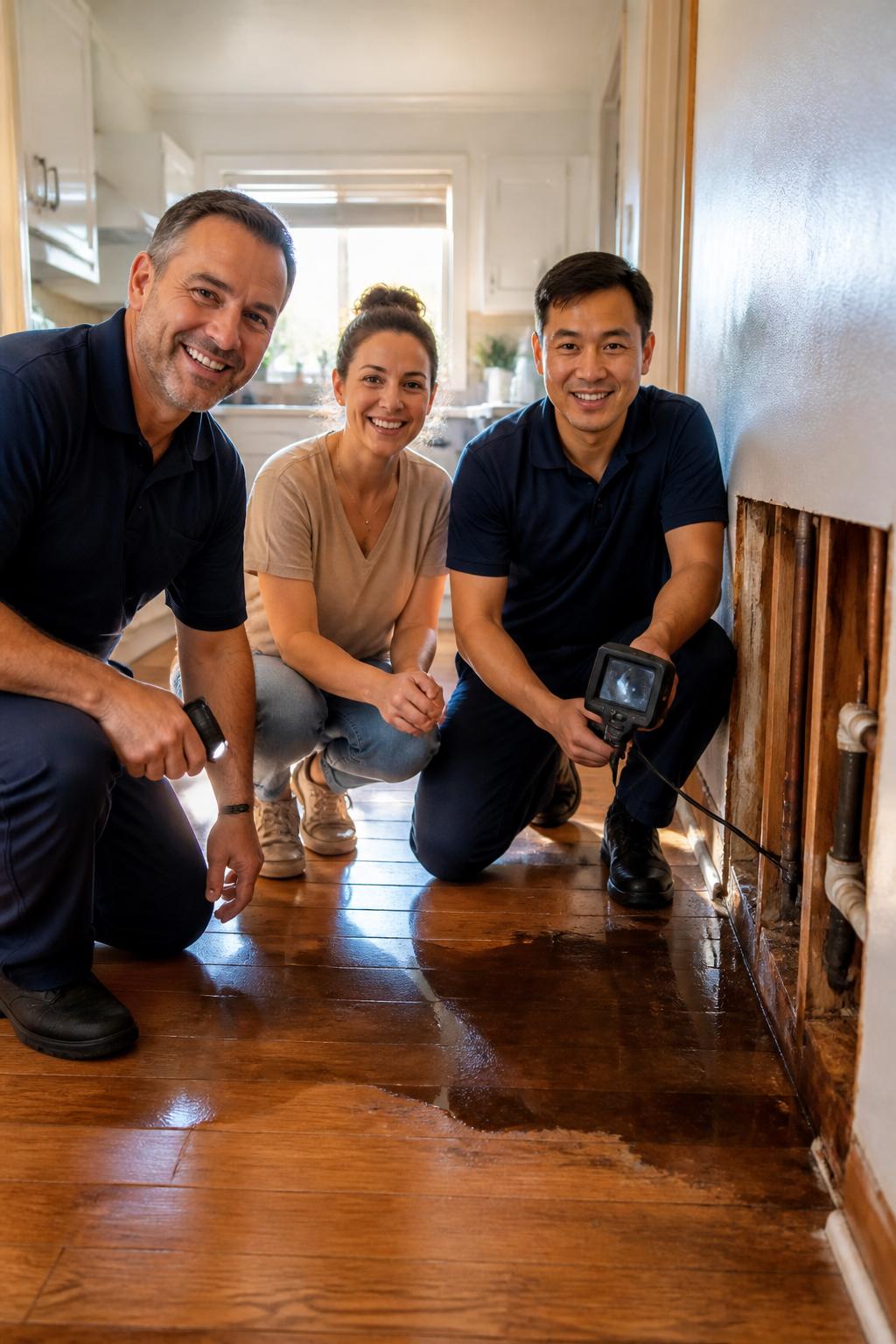
Detection uses specialized equipment. Plumbers use acoustic sensors to listen for leaks, thermal imaging to spot temperature changes from water movement, and camera inspections to see inside pipes and drains. These tools pinpoint the leak location without guessing or trial-and-error digging.
Once the leak is found, the plumber assesses repair options. Simple fixes might involve replacing a fitting or patching a pipe section. Complex repairs could require rerouting lines, replacing sections of pipe, or addressing slab leaks. The plumber explains your options, including temporary versus permanent fixes and the pros and cons of each approach.
Repair timelines depend on the leak type and location. A leaking faucet takes hours. A slab leak might require multiple days. The plumber should give you a realistic estimate before starting work, including what you can expect each day.
Hidden Leaks and Professional Detection
The leaks you can see are rarely your biggest problem. Hidden leaks, inside walls, under concrete slabs, or buried underground, cause the most damage because they operate undetected for weeks or months.
Slab leaks occur in water lines running beneath concrete foundations. You might notice soft flooring, cracks in concrete, or warm spots on the floor. A simple puddle under your home is a classic sign.
Wall leaks develop when pipes corrode, freeze, or crack inside cavities. You'll see water stains, peeling paint, or soft drywall. The longer a wall leak runs, the more mold grows inside the wall cavity, creating health hazards you can't see.
Underground sewer line breaks allow sewage to escape into soil around your home. Slow drains, sewage smells, or unusually lush patches of yard indicate a break. These leaks pose health risks and require immediate professional attention.
Professional detection equipment finds these hidden problems without destroying your home. Thermal imaging cameras detect temperature differences created by moving water. Acoustic listening devices pick up the sound of water escaping under pressure. Video camera inspections show the inside of pipes and drains in detail.
Insurance Documentation and Your Repair Claim
Most homeowner policies cover water damage from a sudden, accidental event, a burst pipe, a failed supply line, an appliance that lets go. They typically exclude damage from gradual leaks, poor maintenance, or long-term neglect.
What to photograph and record before cleanup begins:
- Wide shots of each affected room showing the full scope, then close-ups of the leak source and any damaged materials.
- A short video walking through the space, narrating what you see and when you found it.
- The water line on walls, baseboards, or furniture, mark it with tape and photograph it before it dries.
- Damaged personal property laid out, ideally with receipts or photos showing condition before the loss.
- The date and time you discovered the leak, and the date and time you shut off the water.
Records to keep:
- Your plumber's written inspection report identifying the leak source and cause.
- Invoices for emergency repair, water extraction, drying equipment, and any temporary lodging.
- Photos of the failed component itself (the cracked fitting, the split pipe) before it's discarded.
- A running log of phone calls, claim numbers, and adjuster names with dates.
When to contact your insurer:
Report the loss as soon as you've stopped the water and made the space safe. Most policies require prompt notice, and delaying can complicate the claim.
How a professional report strengthens your claim:
An inspection report from a licensed, insured residential leak detection specialist does three things an adjuster looks for: it identifies the leak's origin, it characterizes the cause as sudden versus gradual, and it documents the affected area with measurements and photos.
Mitigation vs. repair, know the difference:
Your policy generally expects you to take reasonable steps to prevent further damage after a loss. That means shutting off the water, extracting standing water, and running fans or dehumidifiers. These mitigation costs are often reimbursable separately from the repair itself. Keep every receipt.
If you disagree with the adjuster's assessment:
You can request a re-inspection, submit additional documentation, or bring in a public adjuster who works for you rather than the insurer. Most policies also include an appraisal clause for disputes over the value of a loss.
Frequently Asked Questions
What should I do first when I find a water leak at home?
Stop the water flow immediately by shutting off the main water supply at your meter or shutoff valve. Then locate the source of the leak if it's safe to do so. Turn off electricity to the affected area if water is near outlets or appliances. Remove standing water with towels or a wet-dry vacuum to prevent mold growth. Document the damage with photos for your insurance claim. Call a licensed plumber for professional diagnosis and emergency home leak repair.
Can a plumber find a hidden water leak in walls or under a slab?
Yes. Licensed plumbers use advanced detection tools including thermal imaging cameras, acoustic listening devices, and sewer camera inspections to locate hidden leaks without unnecessary demolition. These methods pinpoint the exact location of the leak so repairs are targeted and minimize damage to your home. Professional detection is far more cost-effective than guessing or tearing up large areas.
How do I know if a leak is coming from a pipe or an appliance?
Check the location and timing. Leaks near water heaters, washing machines, dishwashers, or refrigerators often signal an appliance issue. Leaks that appear suddenly in multiple locations, increase your water bill, or persist after you shut off specific appliances suggest a burst pipe or slab leak. A licensed plumber can diagnose the source using camera inspection and pressure testing to determine whether repair or replacement is needed.
What information should I give an emergency plumber when I call?
Describe where the leak is located (basement, wall, under slab, visible pipe), when you first noticed it, and whether water is actively flowing. Mention any visible damage, strange smells, or soft spots in flooring. Confirm your address and the best time to access your home. Tell the plumber if you've already shut off the main water supply. Provide your insurance information if you plan to file a claim, as this helps the plumber prepare detailed documentation.