 How-to
7 Warning Signs of Tree Root Sewer Damage
Last Updated: November 5, 2026
Quick Summary
The clearest signs of tree root sewer damage are recurring clogs in the same spot, multiple slow drains, gurgling fixtures, and sewage odors. Later warnings include basement backups, unusually lush lawn patches, and soggy ground or sinkholes. Confirm tree root sewer damage with a professional sewer camera inspection before cutting anything.
- Tree roots enter through hairline gaps at pipe joints, then catch grease and waste until the line blocks.
- A clog that returns to the same spot after snaking is a red flag for roots.
- A strip of lawn that stays greener in dry weather can signal a leaking sewer pipe.
- Sewage odors and basement backups are high-urgency signs that call for an immediate inspection.
- Skip the camera inspection and you may cut roots inside a cracked pipe and worsen the damage.
Table of Contents
- Why Tree Roots Target Your Sewer Line
- 7 Warning Signs of Tree Root Sewer Damage
- 1. Slow Drains Across Multiple Fixtures
- 2. Recurring Clogs and Toilet Backups
- 3. Gurgling Sounds in Toilets and Drains
- 4. Sewage Odors Inside or Outside the Home
- 5. Sewage Backing Up Into Basement or Lower-Level Drains
- 6. Unusually Lush or Fast-Growing Patches of Lawn
- 7. Wet, Soggy Ground or Sinkholes in the Yard
- How to Tell If Tree Roots Are in Sewer Pipes
- Symptom Severity: When to Act and When to Wait
- What a Sewer Camera Inspection for Tree Roots Reveals
- Are Tree Roots in a Sewer Line Covered by Insurance?
- How to Remove Tree Roots From a Sewer Line
- Book a Residential Sewer Camera Inspection
- Frequently Asked Questions
Why Tree Roots Target Your Sewer Line
Tree roots invade sewer lines because the pipe offers three things roots need: water, nutrients, and oxygen. Roots grow toward moisture, and a sewer pipe carrying wastewater is a steady, warm, nutrient-rich water source. This pattern is common in older residential neighborhoods where mature trees sit close to the lateral line.
The U.S. Forest Service review of tree root intrusion in sewer systems identifies the conditions that make a pipe a target: older pipes with joints, shallow pipes, small-diameter pipes, and fast-growing tree species.
Once inside, roots expand. They catch grease, paper, and waste. That turns a small intrusion into a full pipe blockage over time.
Here is the part most homeowners get wrong: the tree does not need to be on top of the pipe. Roots spread wide, and they find seams from a distance.
7 Warning Signs of Tree Root Sewer Damage
Root intrusion rarely announces itself with one dramatic event. It builds. The seven signs below are the ones we look for first, roughly in order of how early they tend to show up.
1. Slow Drains Across Multiple Fixtures
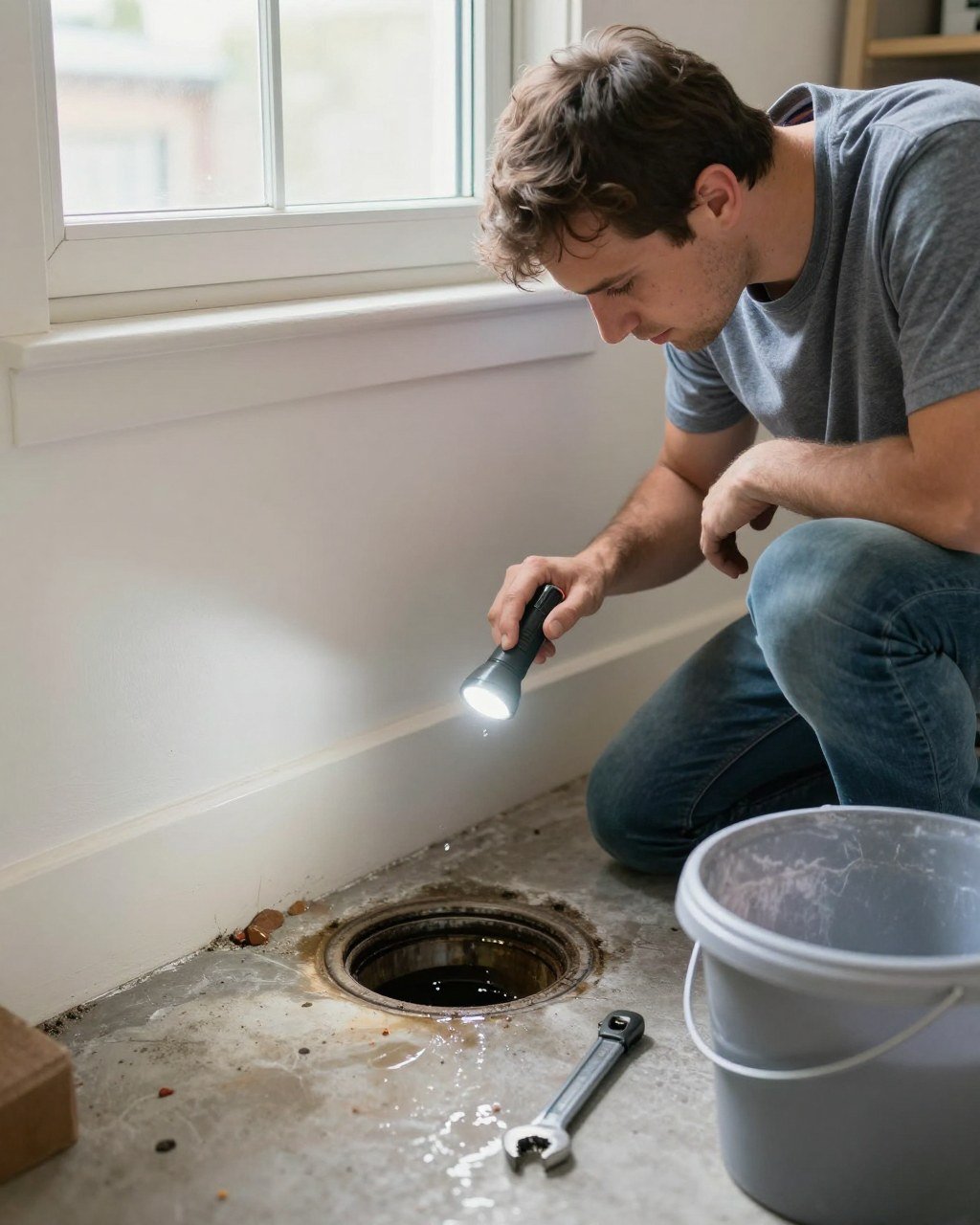
One slow sink is usually a local clog. Several slow drains at once point to a problem in the main line. When a root mass narrows the sewer pipe, every fixture upstream drains slower. If the kitchen sink, tub, and laundry all lag, suspect the main line, not the individual traps.
2. Recurring Clogs and Toilet Backups
A clog that returns to the same spot after clearing is a red flag. Roots create a physical snag. A drain snake punches through, the line flows for a few weeks, and the root grows back into the gap. Repeated drain problems in the same location are one of the clearest signs of tree root sewer damage.
3. Gurgling Sounds in Toilets and Drains
Gurgling means air is being pulled through a trap because wastewater is not moving freely. When roots partly block a drain line, water backs up and air escapes through nearby fixtures. A toilet that gurgles when you run the sink is telling you the two fixtures share a restricted line.
4. Sewage Odors Inside or Outside the Home
Sewage smells indoors or in the yard mean wastewater is sitting somewhere it should not. Roots hold debris, and that trapped waste breaks down and releases gas. An unpleasant odor near a floor drain or over a section of the yard is worth investigating.
5. Sewage Backing Up Into Basement or Lower-Level Drains
Backup into a basement floor drain is a serious escalation. It means the main sewer line is blocked enough that wastewater has nowhere to go but up into the lowest point of the house. This is the stage where cleanup and possible water damage enter the picture, and it should not wait.
6. Unusually Lush or Fast-Growing Patches of Lawn
A strip of lawn that stays greener than the rest, especially during dry weather, can signal a leaking sewer pipe feeding the soil below. Roots cluster at that moisture source. A patch of grass that grows faster along a straight line above the lateral is a classic clue.
7. Wet, Soggy Ground or Sinkholes in the Yard
Soggy ground with no rain, or a small depression forming in the yard, points to a pipe that has cracked or separated. Root pressure can widen a crack until soil washes into the line. A sinkhole is the most urgent yard sign on this list.
How to Tell If Tree Roots Are in Sewer Pipes
You cannot confirm root intrusion from symptoms alone. That overlap is why guesswork wastes money and why a professional sewer line inspection is the reliable way to confirm the cause.
A camera pushed through the drain line can show roots, cracks, and joint separations directly, along with whether the pipe is still structurally sound or already damaged.
How to distinguish root intrusion from other problems
- Multiple fixtures, same side of the house: When several drains on one side of the home slow at once, the restriction is likely in the main lateral serving that side. A single slow sink is usually a local trap or branch clog.
- Recurring clogs in the same spot: Roots create a physical snag. A drain snake punches through, the line flows for a few weeks, and the root grows back into the gap. Grease clogs tend to build up gradually and respond to clearing without rapid return.
- Gurgling paired with slow drainage: Gurgling means air is being pulled through a trap because wastewater is not moving freely. If a toilet gurgles when you run the sink, the two fixtures share a restricted line, often the main.
What the camera reveals
A professional camera inspection shows the inside of the pipe in real time. The camera travels the lateral line and records root masses, cracks, joint gaps, and pipe condition. Common findings include:
- Roots: a fibrous mass at a joint, often with soil visible.
- Grease clog: soft buildup, usually near the kitchen line.
- Collapsed pipe: a deformity or flat spot the camera cannot pass.
- Bellied line: a low spot holding standing water.
When to stop guessing and call
If you have multiple slow drains, recurring clogs in one spot, gurgling fixtures, or sewage odors, schedule an inspection.
Watch out: do not run more water into a blocked main line while you wait for service. That can worsen a backup and increase cleanup costs.
Symptom Severity: When to Act and When to Wait
Not every sign carries the same urgency. Use this guide to decide how fast to move.
| Symptom | Urgency | What It Usually Means |
|---|---|---|
| One slow drain | Low | Local clog, try clearing first |
| Multiple slow drains | Medium | Main line restriction, schedule inspection |
| Recurring clogs in one spot | Medium | Likely root snag, inspect soon |
| Gurgling fixtures | Medium | Partial blockage, do not ignore |
| Sewage odors | High | Waste sitting in line, inspect now |
| Basement backup | Emergency | Main line blocked, call now |
| Soggy ground or sinkhole | Emergency | Possible pipe fracture, call now |
Watch out: a sinkhole or active backup can worsen quickly. Do not run more water into a blocked main line while you wait.
What a Sewer Camera Inspection for Tree Roots Reveals
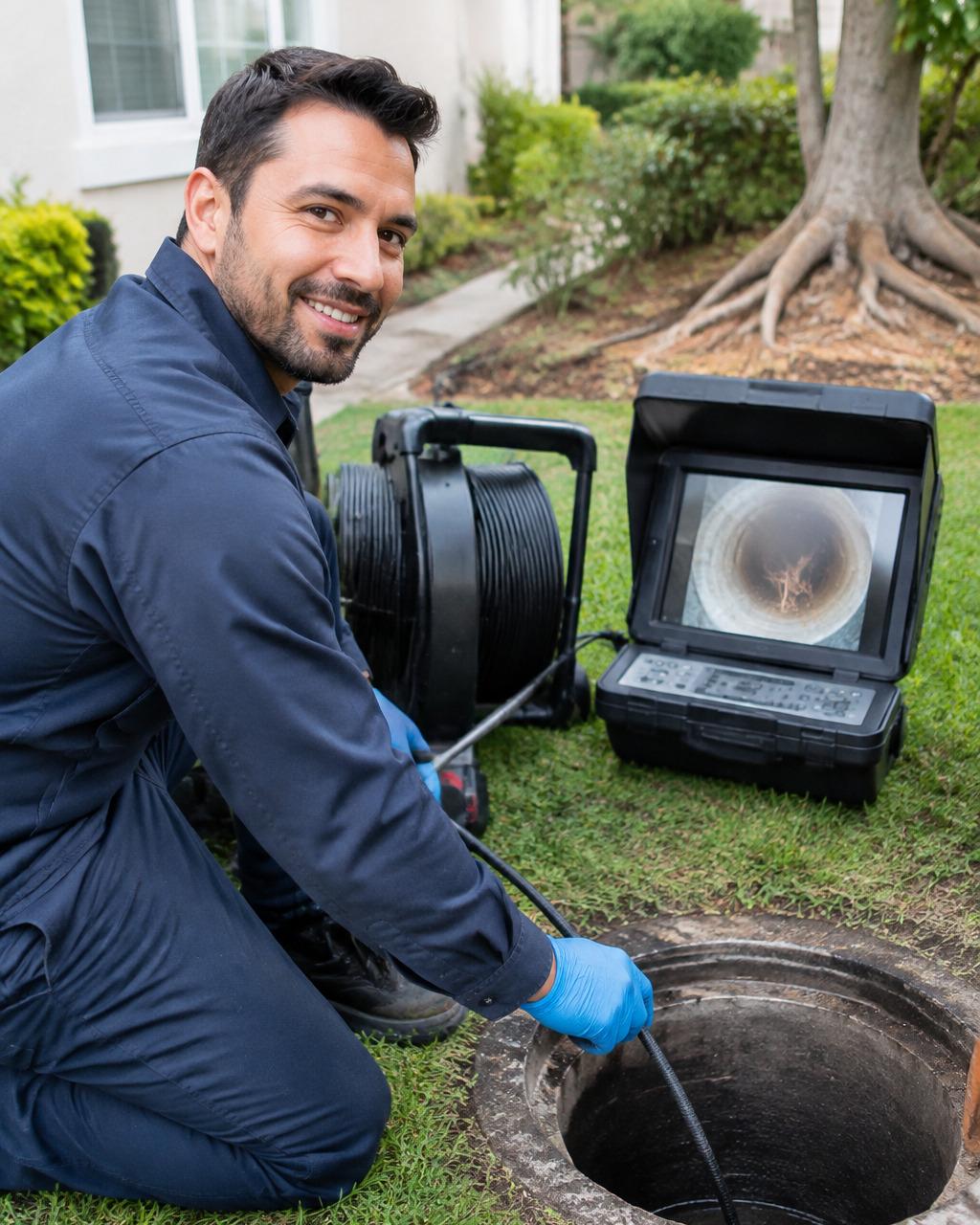
A sewer camera inspection shows the inside of the pipe in real time. The camera travels the lateral line and records root masses, cracks, joint gaps, and pipe condition.
What the inspection process involves
A flexible rod with a camera head is typically fed through a cleanout or access point, with video transmitted to a monitor as it advances through the line.
Common findings and what they mean
- Root mass at a joint: A fibrous cluster entering through a seam. The pipe may still be structurally sound, but the entry point will allow regrowth.
- Cracked or separated pipe: Roots can widen existing cracks. If the pipe wall is deformed or separated, cutting roots may not restore full flow.
- Bellied line: A low spot where water stands. Roots thrive in the moist soil at the belly, and debris settles there.
- Collapsed pipe: The camera cannot pass, or shows a flat spot. This usually requires repair or replacement, not just cutting.
How to interpret a recording or report
For homeowners facing an insurance claim, that record matters. If you want to know what an inspection involves before you schedule one, our guide on sewer camera inspection cost walks through the process and what drives the price.
Watch out: a camera inspection is only as good as the access point.
Are Tree Roots in a Sewer Line Covered by Insurance?
Coverage depends on your policy, and the answer is rarely a clean yes. Many homeowners policies treat the sewer lateral differently from the plumbing inside the house.
Read your policy for language about the sewer line, lateral, and "wear and tear" exclusions. Our article on homeowners plumbing insurance coverage explains what policies commonly include and exclude.
California Leak Detection Specialists does not sell insurance and cannot promise a claim outcome. The business can provide a clear report with photos so your insurer has the facts.
How to Remove Tree Roots From a Sewer Line
Root removal ranges from a quick clearing to full pipe replacement, and the right choice depends on pipe condition. Here are the common options, from least to most invasive:
- Mechanical cutting: a tool clears roots from the line. Fast, but roots return if the entry point stays open.
- Hydro jetting: high-pressure water scours roots and debris. Good for heavier buildup.
- Foaming root killer: applied after clearing to slow regrowth. A maintenance step, not a fix.
- Spot repair: replaces a cracked or root-damaged section of pipe.
- Pipe lining or replacement: restores the line when damage is extensive.
A common mistake is skipping the camera inspection and going straight to cutting. You clear the line, but you never learn whether the pipe is cracked. Cutting roots in a damaged pipe can make the damage worse.
Book a Residential Sewer Camera Inspection
If several signs on this list sound familiar, the next step is a camera inspection, not another round of drain cleaner.
California Leak Detection Specialists is a family-owned, licensed, bonded, and insured team. The business handles residential sewer camera inspections and provides clear reports, photos, and repair information.
For homeowners who need slab leak detection in Corona, CA, we also locate hidden leaks with minimal access.
Frequently Asked Questions
How can you tell if tree roots are damaging a sewer pipe?
The clearest clues are slow drains across several fixtures, recurring clogs that return within weeks, gurgling toilets, and sewage odors indoors or in the yard. Outdoors, look for unusually lush or fast-growing grass patches, wet or soggy soil over the sewer route, and small sinkholes. Old pipes with joints, shallow pipes, and small-diameter pipes are generally the most vulnerable to root intrusion. A camera inspection confirms the diagnosis.
Can tree roots cause multiple drains to clog at once?
Yes. When roots enter the main sewer line, they create a partial blockage that affects every fixture draining into it. You may notice the kitchen sink draining slowly while the bathroom tub also backs up, or a toilet that gurgles when the washing machine runs. If several drains misbehave at the same time, the problem is likely in the main line rather than an individual fixture trap, and a sewer camera inspection is the next step.
Does homeowners insurance cover tree root damage to sewer lines?
Coverage depends on your policy and the cause of the damage. Many standard homeowners policies cover sudden, accidental damage to the sewer line, such as a pipe collapse caused by root intrusion, but exclude long-term deterioration and routine maintenance like root removal. Document the damage with photos and a written inspection report, then review your policy's sewer line endorsement before filing. A licensed plumber's report helps support the claim.
Can you remove tree roots from a sewer line without replacing the pipe?
In many cases, yes. Mechanical cutting or augering clears the roots, and hydro-jetting flushes debris from the line. These methods restore flow but do not stop roots from returning, so repeat treatments may be needed. If the pipe is cracked or fractured, spot repairs or a full replacement may be the more durable option. A camera inspection shows the pipe's condition so you can choose between cleaning and repair.