 How-to
How to Prevent Insurance Claim Denials for Plumbing
Last Updated: November 2, 2026
Quick Summary
Preventing plumbing claim denials starts with documenting everything before you clean up: photograph all damage, note the date and time, and keep wet materials until an adjuster sees them. Report the loss promptly, keep every receipt, and build a file with an inspection report, repair estimates, and maintenance records. A professional non-invasive inspection report proves the leak's origin, timeline, and that you acted responsibly.
- Shut off the water supply first, then photograph everything before you move a single towel.
- Report the loss within 24 hours so it does not look like neglect.
- Keep a dated log of every sign, including stains and water bill jumps.
- Pay contractors with an itemized invoice instead of paying in full before claim approval.
- On appeal, respond in writing within the deadline and address the specific reason given.
Table of Contents
- Why Plumbing Claim Denials Happen and How to Get Ahead of Them
- Step 1: Stop the Water and Document Everything Immediately
- Step 2: Follow the Water Damage Insurance Claim Process Correctly
- Step 3: Build a Plumbing Leak Insurance Claim Documentation File
- Step 4: Handle a Slow Leak Water Damage Insurance Claim Without a Denial
- Step 5: How to Appeal a Homeowners Insurance Claim Denial
- Common Mistakes That Sink Plumbing Claim Denials
- Book a Residential Leak Inspection Before You File
- Frequently Asked Questions
Why Plumbing Claim Denials Happen and How to Get Ahead of Them
Most plumbing claim denials are preventable, and they usually trace back to documentation gaps rather than bad luck. Preventing insurance claim denials for residential plumbing starts long before you pick up the phone to file. A slow drip behind a cabinet, a homeowner who mops it up, and an insurer who later calls it "long-term seepage" is a pattern that often leads to disputes.
That label is the killer. The California Department of Insurance Residential Property Claims Guide explains that a denial must be delivered in writing with stated reasons. Insurers often rely on exclusions such as wear and tear, poor maintenance, or gradual damage to justify that letter.
Your job is to remove their excuses before they write it. Below, we walk through the exact steps we recommend to homeowners facing a suspected hidden leak.
Step 1: Stop the Water and Document Everything Immediately
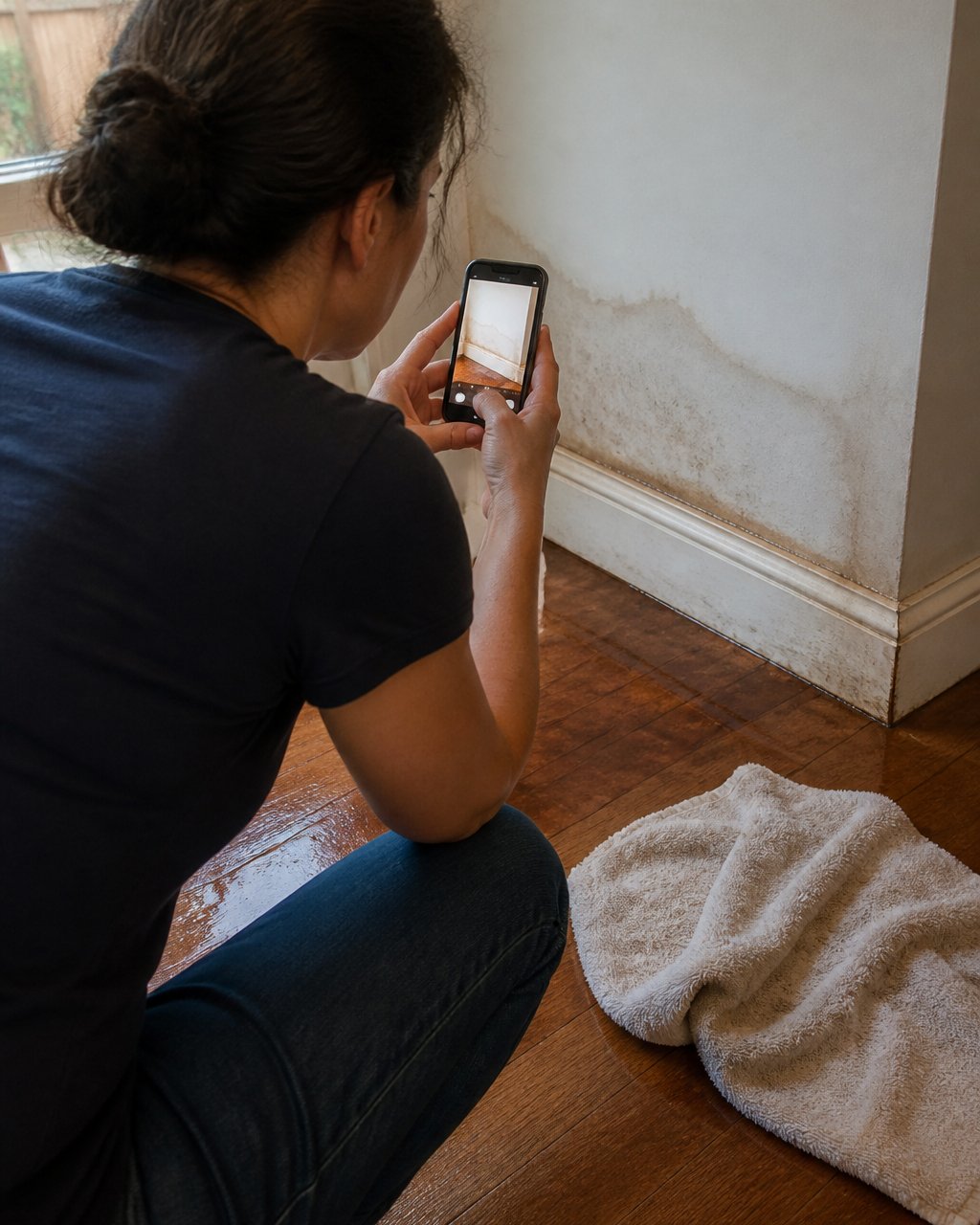
Shut off the water supply first, then photograph everything before you move a single towel. Your evidence window closes fast once cleanup begins.
Here is what to capture:
- Wide shots of each affected room
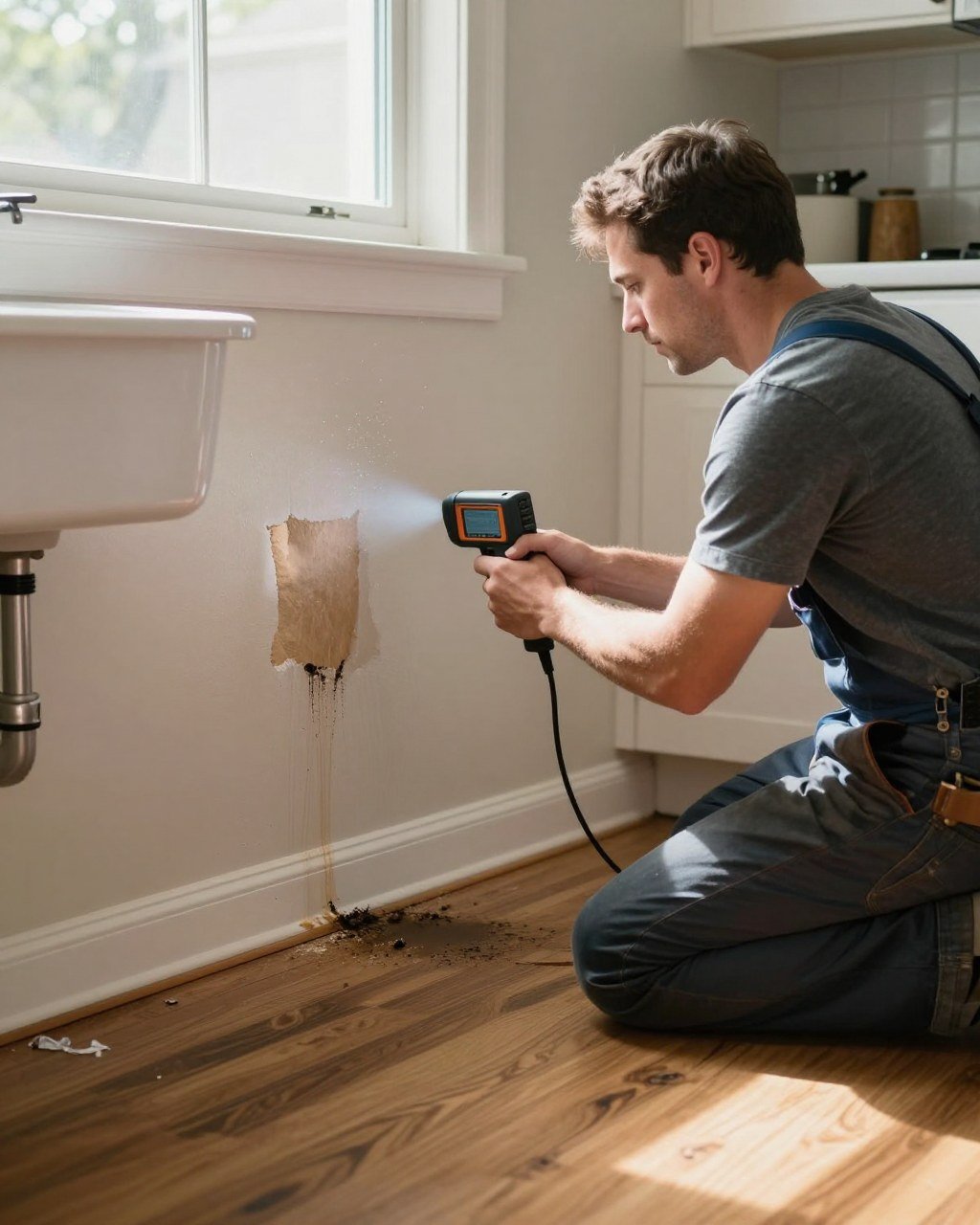
- Close-ups of staining, bubbling paint, and warped baseboards
- A photo of the shutoff valve you closed
- Video panning slowly across the damage
Note the date and time. Keep wet materials until an adjuster sees them, if it is safe to do so. For a detailed walkthrough, see our guide on how to document water damage for insurance claims.
Step 2: Follow the Water Damage Insurance Claim Process Correctly
The water damage insurance claim process is a sequence, and skipping steps creates openings for denial. Report the loss promptly, meet your adjuster, and keep every receipt for emergency repairs and temporary lodging.
Watch out: paying a contractor in full before the claim is approved can complicate reimbursement. Get an itemized invoice instead.
Many delays come from simple missteps. Our article on why plumbing insurance claims get delayed covers the triggers to avoid.
Step 3: Build a Plumbing Leak Insurance Claim Documentation File
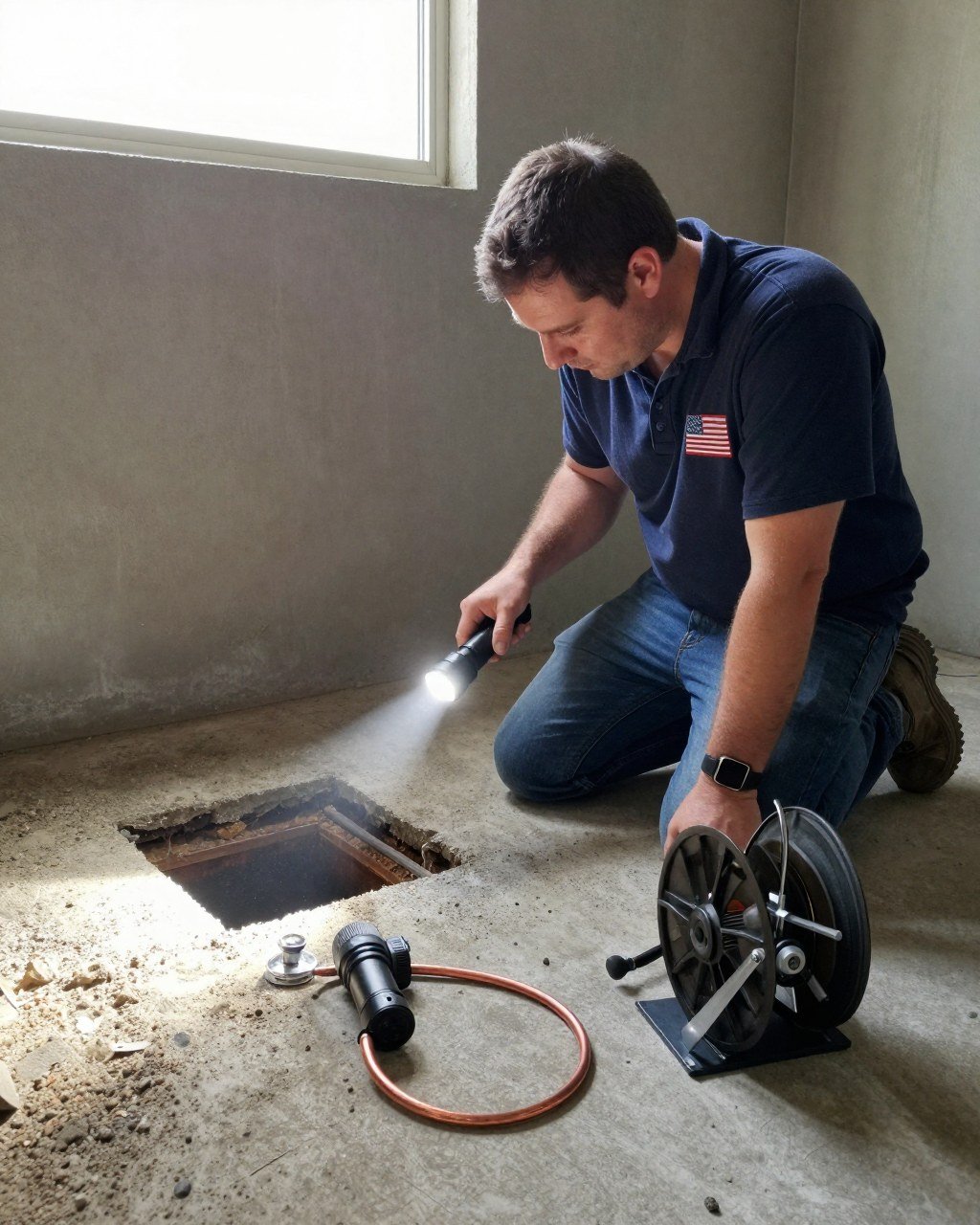
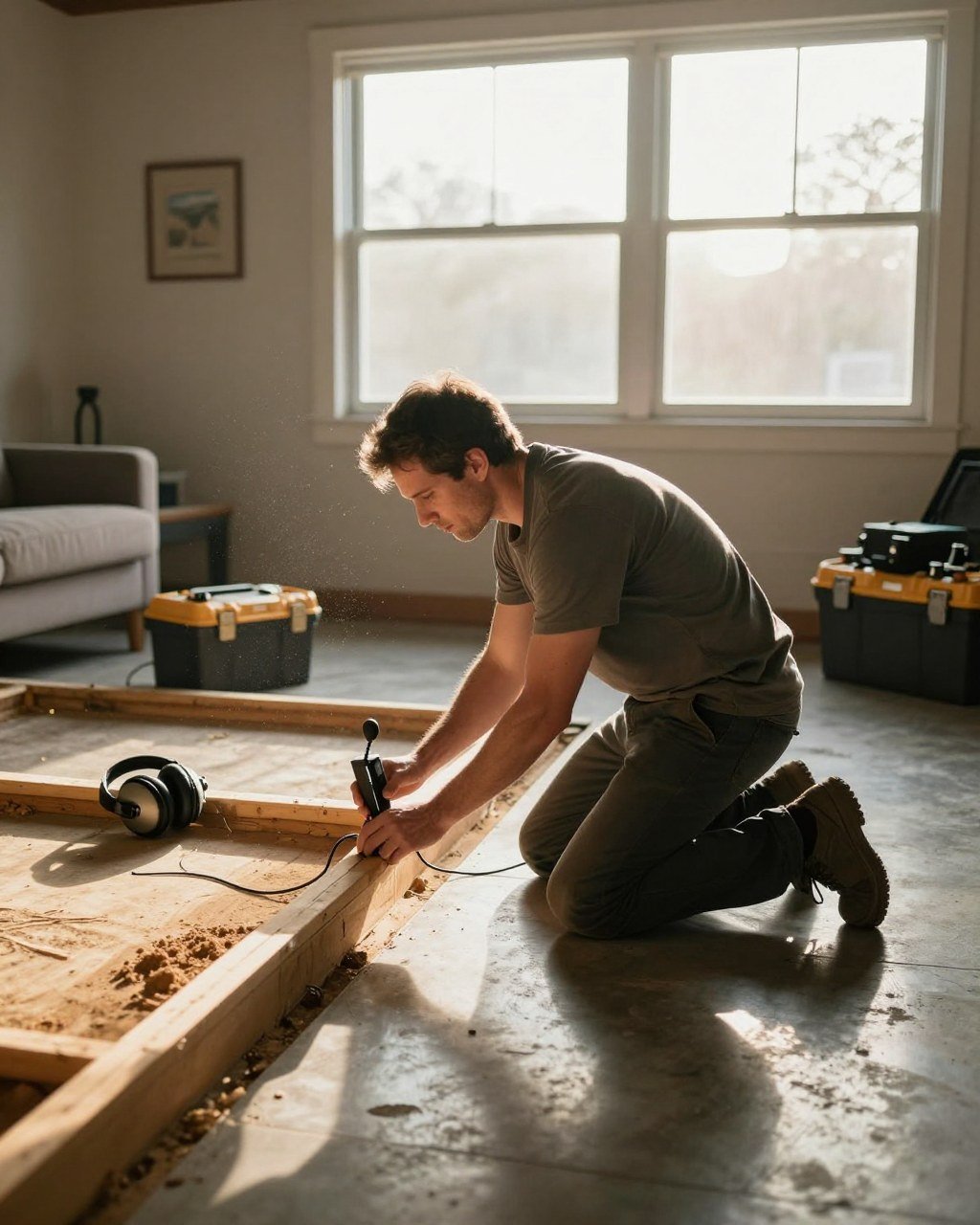
A strong plumbing leak insurance claim documentation file does three things: it proves the leak's origin, its timeline, and that you acted responsibly. A professional non-invasive inspection report does all three at once.
Your file should include:
- The inspection report naming the leak's location and cause
- Photos and video from the inspection
- Repair estimates and invoices
- Your maintenance records
- A written timeline of events
Learn how a non-invasive inspection report strengthens your claim.
Step 4: Handle a Slow Leak Water Damage Insurance Claim Without a Denial
A slow leak water damage insurance claim is the hardest to win, because insurers argue the damage built up over months. The counter is proof of when you first noticed it and proof you acted fast.
Keep a dated log of every sign: a stain that appeared, a jump in your water bill, a sound behind the wall. Call for detection as soon as you suspect a problem. Early documentation turns "gradual damage" into a defensible sudden event.
Step 5: How to Appeal a Homeowners Insurance Claim Denial
If you need to appeal a homeowners insurance claim denial, read the denial letter closely and respond in writing within the deadline it states. Address the specific reason given, not the whole claim.
Submit new evidence. An independent leak detection report often reframes the cause. Request a re-inspection in writing and keep copies of everything. Our step-by-step guide on what to do after a plumbing claim denial walks through the appeal.
Common Mistakes That Sink Plumbing Claim Denials
The same errors show up again and again. Here is how to avoid them.
| Mistake | Why It Hurts | Fix |
|---|---|---|
| Cleaning up before photos | Erases proof of damage | Photograph first, clean second |
| Waiting days to report | Looks like neglect | Report within 24 hours |
| No maintenance records | Supports "poor upkeep" denial | Keep a simple log |
| Verbal-only communication | Nothing in writing | Confirm every call by email |
| Guessing the leak's cause | Undermines credibility | Get a professional report |
A common mistake is describing the leak as "old" or "ongoing" to your adjuster. Say when you first noticed it, and stop there.
Book a Residential Leak Inspection Before You File
A documented inspection is the strongest tool you have against a denial. California Leak Detection Specialists is a family-owned, licensed, bonded, and insured team (CSLB License #741886) that locates hidden leaks with minimal access and provides clear reports, photos, and repair information built for claims.
We handle residential leak detection only, from slab leaks to sewer camera inspections. If you are ready to file with confidence, book a residential leak inspection before you submit your claim.
Frequently Asked Questions
Why are plumbing water damage claims denied?
Most denials come down to cause and timing. Insurers deny when damage looks like long-term seepage rather than a sudden event, when the homeowner could not show the leak was maintained, or when notice arrived late. Missing documentation is the other big one: no photos, no plumber report, no repair estimate. A written denial must state the reasons, so read that letter closely and match your evidence to each point before you respond.
Does homeowners insurance cover sudden plumbing leaks?
Sudden, accidental discharge is typically covered, such as a supply line that bursts and soaks a ceiling. The cost of accessing the pipe is often included, but patching the pipe itself usually is not. Slow leaks that seep for weeks are commonly excluded as maintenance issues. Check your policy's water damage section and ask your adjuster to confirm in writing which part of your loss falls under coverage before work begins.
What should I do immediately after discovering a plumbing leak?
Shut off the water at the main valve, then photograph and video everything before you move or dry anything. Note the date and time you found it. Call your insurer to open the claim the same day, and keep a log of every call with names and reference numbers. Do not throw away damaged material until the adjuster has seen it or approved disposal. Then bring in a leak detection specialist for a written report on the source.
Can an insurer deny a claim because of a slow leak?
Yes, and it happens often. Policies usually exclude damage from repeated seepage over weeks or months, treating it as neglected maintenance. The counter is proof of when the leak started and that you acted promptly once it was visible. A professional inspection report that identifies the failure point and estimates how long it has been active gives your slow leak water damage insurance claim a factual timeline instead of a guess.
Filing a claim without solid proof invites a denial you did not deserve. California Leak Detection Specialists gives you the documentation insurers respect, with a hands-on approach from detection through repair. Call (951) 278-8999 and get started with a clear, professional report that supports your claim.