 Comparison
Trenchless vs. Traditional Sewer Repair: Pros, Cons, Cost
Quick Summary
Trenchless sewer repair fixes a failed sewer line through small access points, leaving most of the yard intact, while traditional repair digs up the full pipe run. Trenchless methods suit pipes that are still structurally sound, such as those with cracks, root intrusion, or joint leaks. A camera inspection decides which method fits your pipe.
- Trenchless methods usually cause far less yard and landscaping damage than open-trench excavation.
- CIPP lining needs a pipe that is still structurally sound enough to hold the liner.
- Collapsed pipes or severe bellies usually require traditional excavation.
- A sewer camera inspection shows whether a pipe can be lined, burst, or must be replaced.
- Ask for an itemized quote separating labor, materials, permits, and restoration.
Table of Contents
- What Trenchless and Traditional Sewer Repair Each Involve
- Trenchless Sewer Repair Pros and Cons
- Side-by-Side Comparison: Disruption, Speed, and Durability
- Sewer Camera Inspection: Deciding Which Method Fits Your Pipe
- Trenchless Sewer Repair Cost Compared With Excavation
- How Long Sewer Line Repair Takes With Each Method
- Booking a Sewer Camera Inspection to Choose Your Repair Method
- Frequently Asked Questions
Trenchless vs. Traditional Sewer Repair: Pros, Cons, Cost
Last Updated: November 15, 2026
What Trenchless and Traditional Sewer Repair Each Involve
When a sewer line fails, homeowners usually face two repair paths. Traditional sewer repair, often called open-trench excavation, digs up the pipe and replaces it. Trenchless sewer repair leaves most of the yard intact and works through small access points. California Leak Detection Specialists focuses on residential leak detection, which is often where a sewer problem first shows up, so understanding both methods helps you ask the right questions.
According to the U.S. Environmental Protection Agency water technology fact sheet on pipe bursting, trenchless rehabilitation requires substantially less construction work than traditional dig-and-replace methods.
How pipe lining and CIPP work
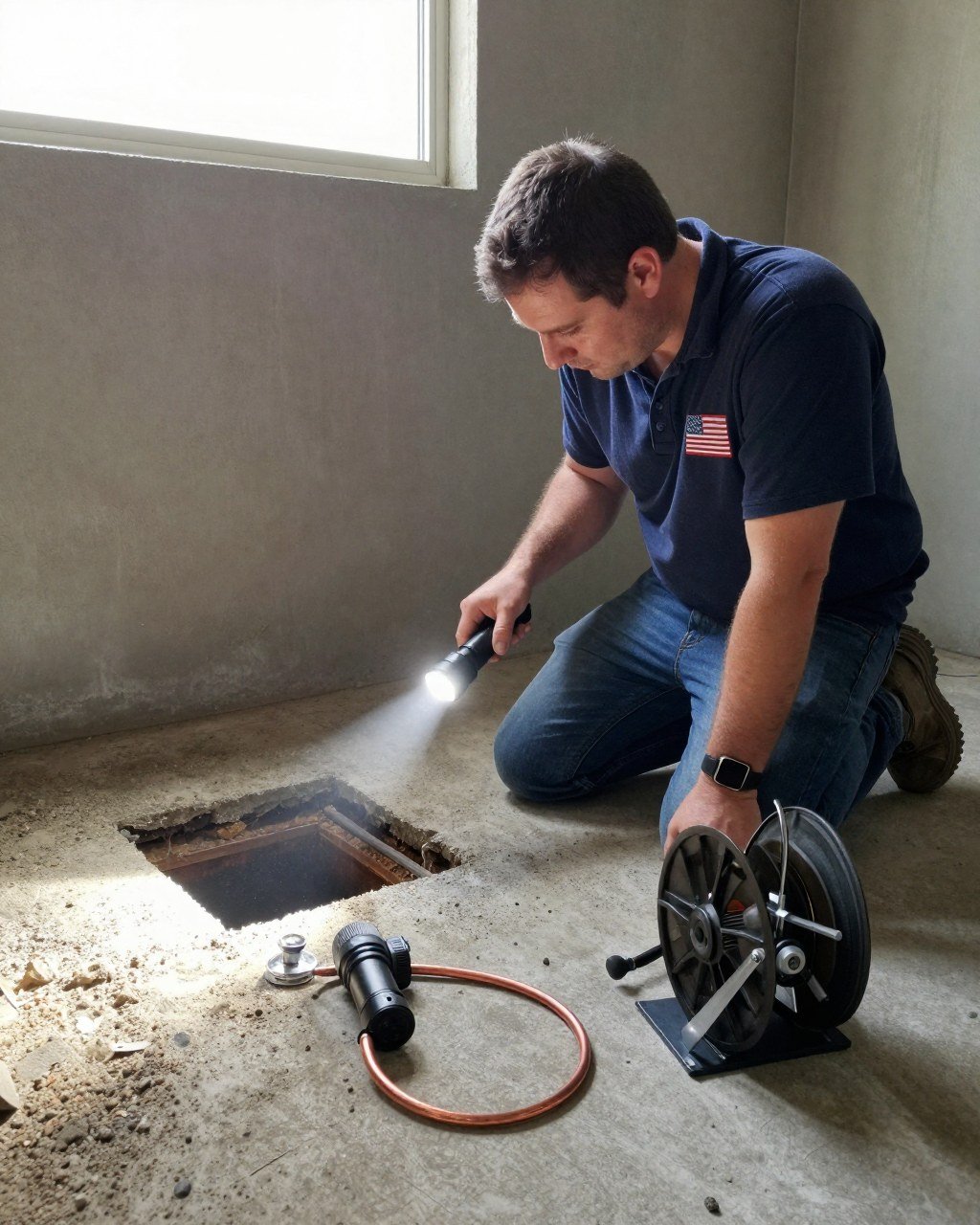
Cured-in-place pipe (CIPP) lining inserts a resin-saturated liner into the existing pipe. The liner is inflated against the old pipe walls and cured in place, forming a new pipe inside the old one. Technicians typically access the line through an existing cleanout, so the work happens underground.
CIPP suits pipes with cracks, root intrusion, or joint leaks, provided the pipe is still structurally sound enough to hold the liner. It does not fix a pipe that has collapsed or shifted badly.
How pipe bursting and open-trench excavation work
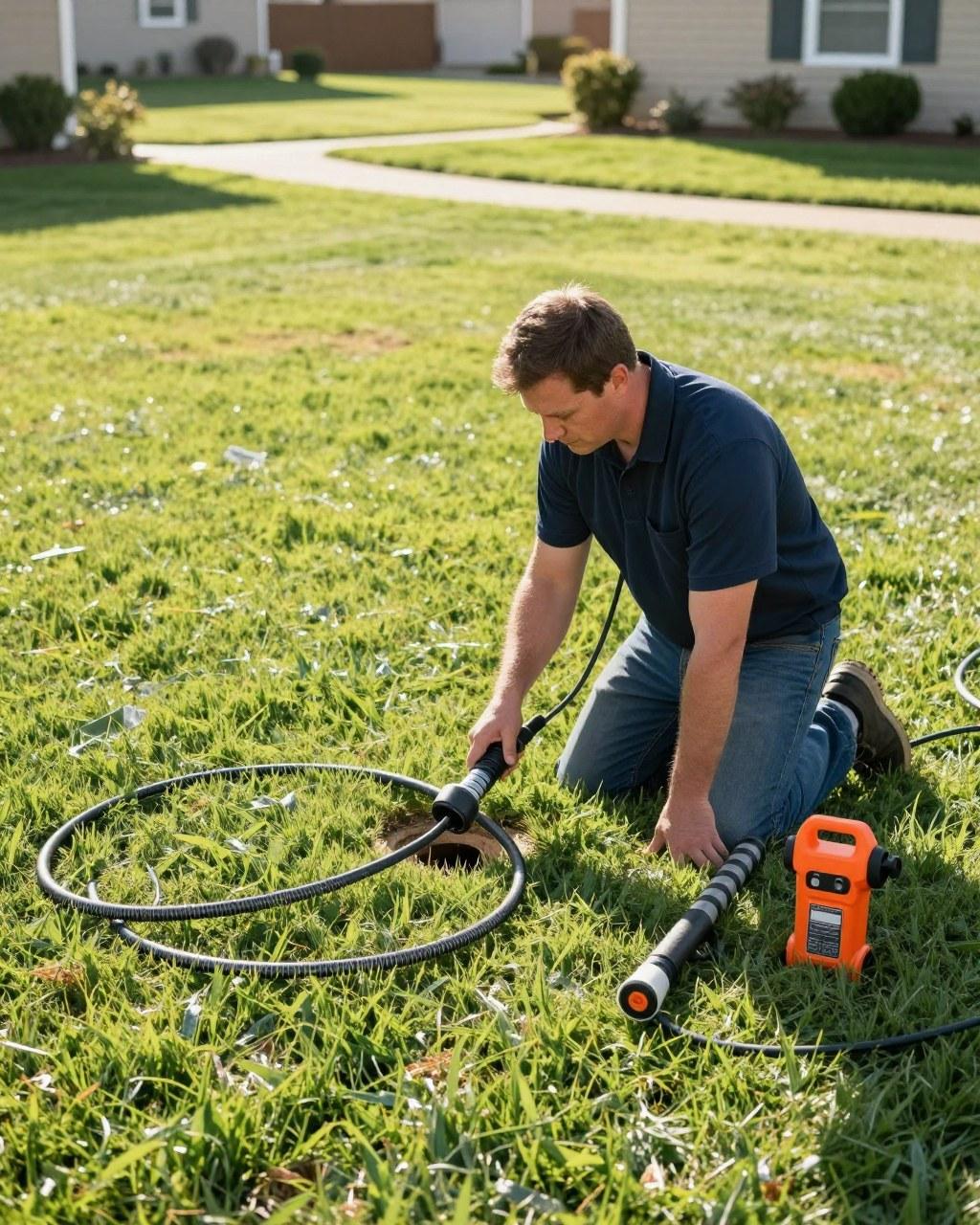
Pipe bursting pulls a new pipe through the old one while a bursting head breaks the old pipe apart. The fragments are pushed into the surrounding soil. It needs two access pits, one at each end of the run.
Open-trench excavation removes the full length of the failed pipe. Crews dig a trench, lay new pipe, and backfill. This gives direct access to every section, which matters when the problem location is unclear or the pipe has collapsed.
Trenchless Sewer Repair Pros and Cons
Trenchless sewer repair has clear advantages, but it is not the right answer for every pipe. The main benefit is reduced disruption. Crews work through small access points instead of trenching across driveways, patios, and landscaping.
Pros of trenchless sewer repair:
- Less yard, driveway, and landscaping damage
- Fewer access points and less debris
- Often faster for long runs with a single failure zone
- Preserves structures and hardscaping above the pipe
Cons of trenchless sewer repair:
- Requires a pipe that is still structurally intact enough to line or burst
- Less effective when the pipe has collapsed or has severe bellies
- Cannot always correct misalignment or bad grade
- Requires a sewer camera inspection first to confirm suitability
Traditional excavation may be the only feasible option in some situations, even though it disrupts the property more.
Side-by-Side Comparison: Disruption, Speed, and Durability
The table below summarizes how the two approaches compare across the factors homeowners weigh most. Actual results depend on pipe condition, length, depth, material, and site access, so treat these as typical ranges rather than guarantees.
| Factor | Trenchless Repair | Traditional Excavation |
|---|---|---|
| Yard disruption | Low, small access pits at cleanouts or two launch points | High, continuous trench along the pipe run |
| Pipe condition needed | Structurally sound enough to hold a liner or burst | Any condition, including collapsed or offset pipe |
| Landscaping impact | Minimal; often no restoration beyond access points | Often requires sod, hardscape, or driveway restoration |
| Typical project duration | Often 1-3 days for a single residential run | Often 3-7 days including digging, pipe laying, backfill, and surface restoration |
| Service life | 50 years or more for CIPP liners when installed to spec | 50-100 years for new PVC or cast iron, depending on material |
| Best for | Cracks, root intrusion, joint leaks, and long runs with a single failure zone | Collapsed pipe, severe bellies, misalignment, or unknown defect location |
| Cost profile | Lower restoration cost, higher material and setup cost | Lower material cost, higher excavation and restoration cost |
| Warranty | Varies by installer; ask for liner material and workmanship terms in writing | Varies by contractor; ask for pipe material and workmanship terms in writing |
Durability depends on the liner or new pipe material and on installation quality. CIPP liner service life depends on material and installation quality, and a liner that is too thin, poorly inflated, or cured at the wrong temperature can fail early. New PVC pipe installed by excavation has a similar or longer service life, but joint integrity depends on proper bedding and backfill.
Watch out: A warranty that covers only the liner material and not the installation labor leaves you exposed if the liner delaminates or a connection leaks. Ask for the warranty terms in writing before work begins, and confirm whether the warranty transfers if you sell the home.
A practical decision framework helps here. If the camera inspection shows a structurally sound pipe with localized cracks or root intrusion, trenchless lining is usually the lower-disruption choice. If the pipe has collapsed, has a severe belly that holds water, or has multiple offset joints, excavation is often the only method that corrects the problem. If the defect is under a driveway, patio, or mature tree, trenchless methods avoid the restoration cost that excavation would add. If the pipe is shallow and accessible in an open yard, excavation may be simpler and less expensive than setting up trenchless equipment.
Sewer Camera Inspection: Deciding Which Method Fits Your Pipe
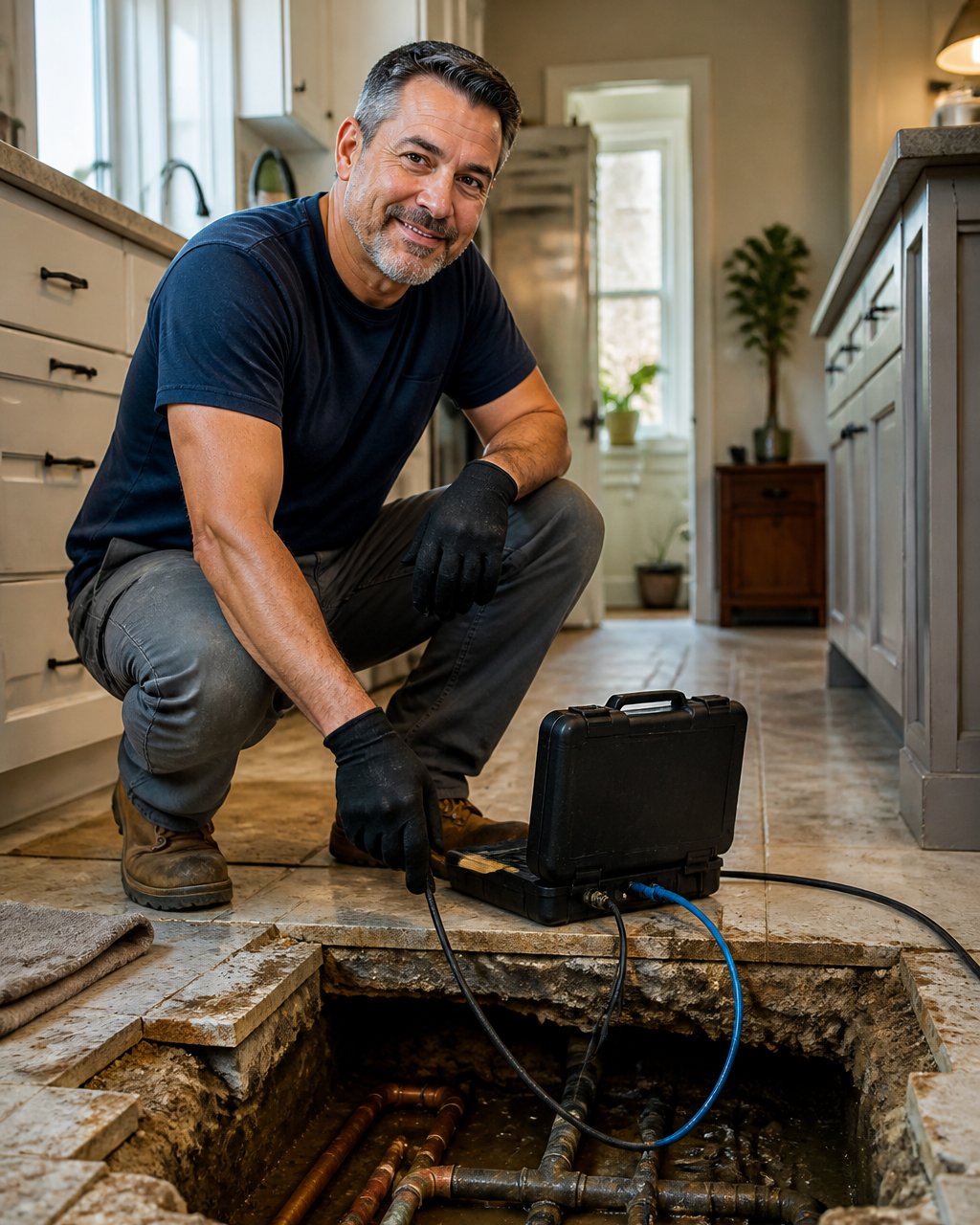
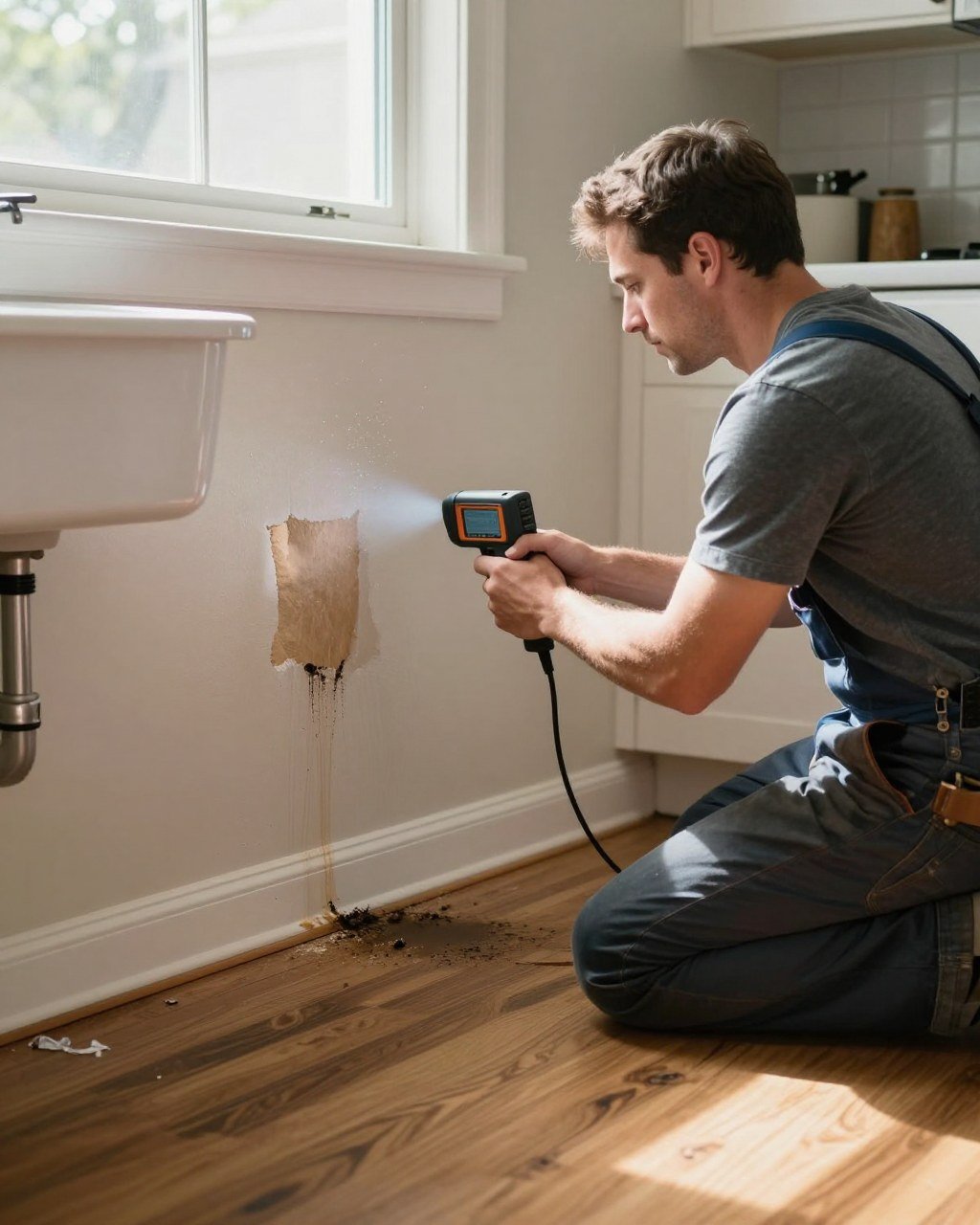
A sewer camera inspection is the step that decides which method fits your pipe. A technician feeds a camera through a cleanout and records the pipe interior, showing cracks, offsets, root intrusion, and collapses. The footage shows whether the pipe can be lined or burst, or whether it must be replaced by excavation.
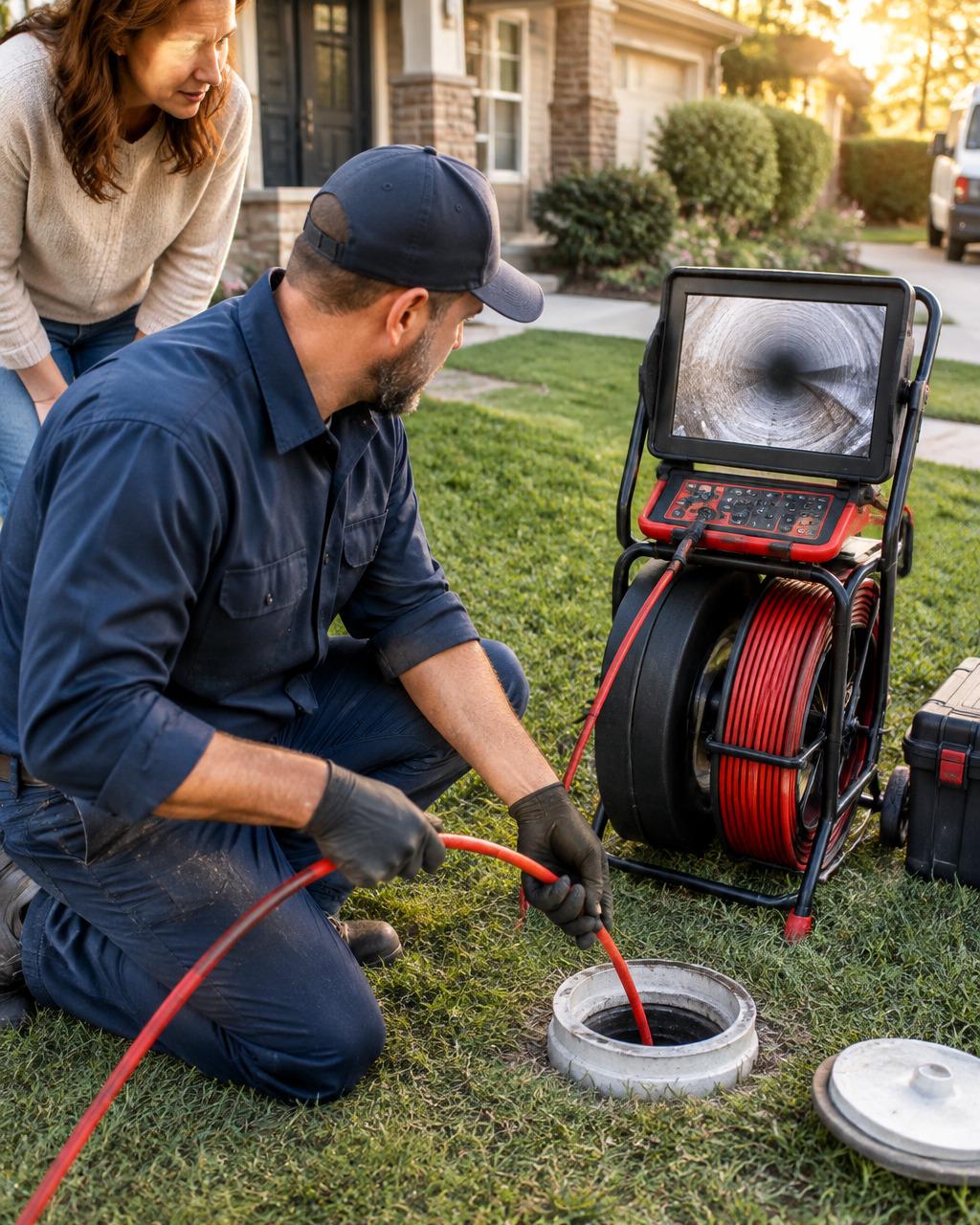
Our team at California Leak Detection Specialists recommends reviewing the footage together before committing to a method. You can read more about what a camera can reveal in Can a Camera Find Pipe Leaks in Your Home?. Common warning signs that point toward a camera inspection are covered in 7 Warning Signs of Tree Root Sewer Damage.
Trenchless Sewer Repair Cost Compared With Excavation
Cost is the question most homeowners ask first, and the honest answer is that neither method is always cheaper. The total depends on what the job actually requires, not on the label attached to the method. A short lining job under a landscaped yard can cost less than excavating and restoring the same run, while a long excavation in open ground can cost less than setting up trenchless equipment for a pipe that turns out to be unsuitable for lining.
Several cost drivers explain most of the variation between quotes:
- Pipe length and depth. Longer runs and deeper pipes require more material, more excavation, or more access pits.
- Access and site constraints. A pipe under a finished driveway, a detached garage, or mature landscaping adds restoration cost to excavation. Trenchless methods reduce that cost but may require two access pits instead of one.
- Pipe material and condition. Cast iron, clay, and PVC behave differently under lining and bursting. A collapsed pipe may rule out trenchless methods entirely, forcing excavation.
- Permits and utility conflicts. Work in a public right-of-way or near other utilities may require permits, traffic control, or hand-digging, all of which add cost.
- Restoration. Sod, concrete, pavers, and irrigation repair are separate line items that excavation quotes sometimes omit.
- Repair versus replacement. Spot repair of a single defect is usually cheaper than lining or replacing an entire run. Ask whether the quote covers the full line or only the failed section.
Ask for an itemized quote that separates labor, materials, permits, and restoration so you can compare options accurately.
Watch out: A quote that is dramatically lower than others often excludes restoration, permits, or the camera inspection that determines whether the method will work. Compare quotes line by line, not just by the bottom number.
For current pricing on a camera inspection, see Sewer Camera Inspection Cost: What to Expect. Pricing depends on the length of the line, site access, and what the inspection finds, so a written quote is the best way to get an accurate figure. A transparent inspection-to-quote process, camera inspection, defect location, written scope, and a clear list of what is and is not included, is the best way to compare trenchless and traditional options without assuming one is always cheaper.
How Long Sewer Line Repair Takes With Each Method
Timelines differ between methods. Trenchless repairs often finish faster on a single long run because crews do not have to remove and rebuild the trench. Excavation takes longer because it includes digging, laying pipe, backfilling, and restoring the surface. Ask each provider for an estimated schedule that covers both the repair itself and the site restoration.
Booking a Sewer Camera Inspection to Choose Your Repair Method
If you suspect a sewer problem, the next step is a professional camera inspection. It tells you whether trenchless repair is possible and gives you documentation to compare quotes. You can book a professional slab leak inspection to start the process, or schedule a professional inspection through our local service page if you are in the Corona area.
Frequently Asked Questions
What is the difference between trenchless and traditional sewer repair?
Traditional sewer repair digs an open trench along the pipe route, removes the old line, and installs a new one, which disturbs landscaping, driveways, and sometimes hardscape. Trenchless methods, such as cured-in-place pipe (CIPP) lining and pipe bursting, work through existing access points like cleanouts or small excavation pits. Which approach fits depends on pipe condition, material, depth, and site access.
Is trenchless sewer repair cheaper than traditional excavation?
Not always. Trenchless methods can avoid the cost of restoring a yard or driveway, but they may not be the lowest-cost option for every pipe. A 2026 plumbing company article lists traditional repair of up to 20 feet of pipe at $4,000 to $8,000, but that is one company's published range, not an industry benchmark. Ask for an itemized quote that shows the trenchless and excavation options side by side, including restoration costs, so you can compare the full project price.
Why does a sewer camera inspection come before choosing a repair method?
A sewer camera inspection shows the actual condition of the pipe, including cracks, root intrusion, offset joints, corrosion, and collapsed sections. Those findings decide whether a trenchless liner can bond to sound pipe or whether the damaged section must be excavated and replaced. Without a camera inspection, a repair recommendation is a guess. Ask the provider for the inspection video or photos so you can see the evidence behind the recommendation.
Can trenchless methods repair a collapsed sewer line?
Usually not on their own. Trenchless lining needs enough structural integrity in the existing pipe to hold the liner in place, and a fully collapsed or badly offset section often cannot be lined. In those cases, a localized excavation to replace the failed section is typically required, sometimes combined with trenchless work on the rest of the line. A camera inspection is the only reliable way to confirm which sections can be lined.