 How-to
5 Reasons to Never Ignore a Slab Leak
Last Updated: October 25, 2026
Quick Summary
A slab leak is a water leak in the plumbing pipes running beneath your home's concrete foundation. Ignoring a slab leak causes water damage to your home, structural damage to your foundation through soil erosion, mold growth, and escalating repair costs that grow worse the longer you wait.
- Rising water bills, warm floor spots, and musty odors are warning signs of a slab leak.
- Water from a slab leak erodes soil beneath your foundation, causing uneven settlement and foundation cracks.
- Continuous moisture under your slab creates ideal conditions for mold and mildew growth.
- Professional leak detection uses thermal imaging and acoustic sensors to pinpoint leaks without tearing up your entire slab.
- Repair options include spot repair, pipe rerouting, or full repiping depending on leak location and severity.
Table of Contents
- What a Slab Leak Is and Where It Occurs
- How to Tell If You Have a Slab Leak
- Water Damage and Foundation Problems
- Mold, Moisture, and Health Risks
- Slab Leak Detection: What Professional Inspection Involves
- Slab Leak Repair Options and Your Choices
- Slab Leak Insurance Coverage and Documentation
- Getting Your Slab Leak Inspected and Repaired
- Frequently Asked Questions
What a Slab Leak Is and Where It Occurs
A slab leak is a water leak in the plumbing pipes that run beneath your home's concrete foundation. These pipes carry hot and cold water to your kitchen, bathrooms, and laundry areas.
Slab leaks happen for several reasons. Pipes can corrode over time, especially in older homes. High water pressure stresses the pipes. Soil movement and ground shifting put pressure on the concrete. Chemical reactions in the soil eat away at copper or steel pipes.
The pipes most vulnerable to leaks are the water supply lines running directly under your foundation. These include both the cold water line and the hot water line.
How to Tell If You Have a Slab Leak
Signs You Should Never Ignore
Catching a slab leak early saves money and prevents serious damage. Watch for these warning signs:
- Rising water bills without explanation. A sudden spike in your monthly bill often signals a hidden leak.
- Warm spots on the floor in areas where no heating should be. A leaking hot water line warms the concrete above it.
- Damp or wet carpet or flooring, especially in rooms over the foundation.
- Low water pressure throughout your home or in specific rooms.
- Running water sounds when no one is using water. You may hear a faint hissing or trickling beneath the floor.
- Cracked tile or flooring that appears without obvious cause.
- Musty odors in your home, which signal moisture building up under the slab.
- Mold or mildew spots on walls or floors near the foundation.
These signs point to a problem. The longer you wait, the worse it gets. Signs of hidden water leaks under your slab provide a complete guide to recognizing these warnings before damage spreads.
Watch for these warning signs that indicate a slab leak may be developing under your home.
| Warning Sign | What It Indicates |
|---|---|
| Rising water bills without explanation | Hidden leak wasting water |
| Warm spots on the floor | Leaking hot water line below |
| Damp or wet carpet or flooring | Moisture rising through foundation |
| Low water pressure | Water escaping through leak |
| Running water sounds when idle | Water trickling beneath floor |
| Cracked tile or flooring | Foundation movement from water damage |
| Musty odors in your home | Moisture building up under slab |
| Mold or mildew spots on walls | Excess moisture from leak |
Water Damage and Foundation Problems
Ignoring a slab leak creates two major threats: water damage to your home and structural damage to your foundation. But the speed and severity of that damage depend on factors most homeowners never consider, and understanding them helps you decide how urgently to act.
How Water Moves Under Your Slab
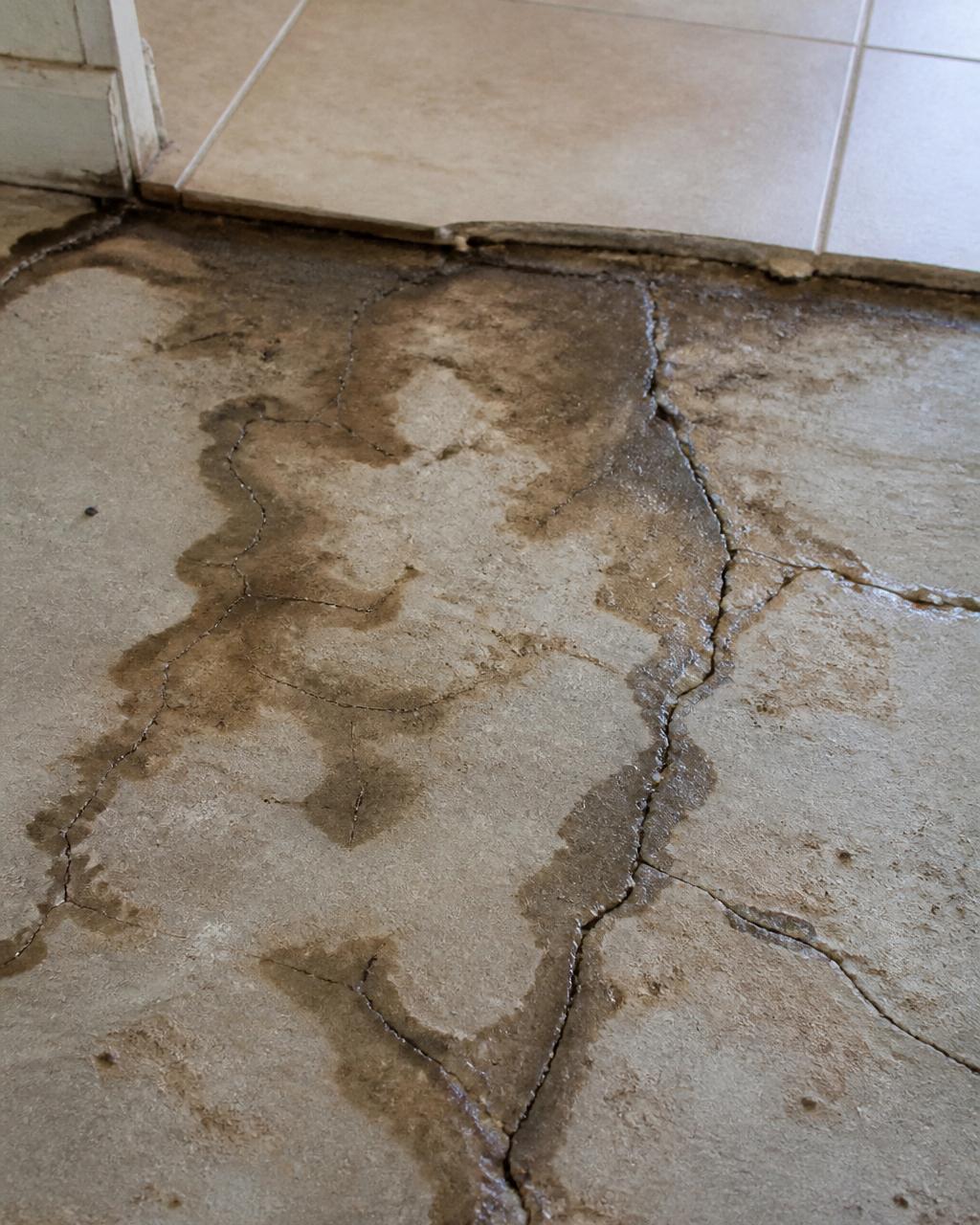
Water from a slab leak doesn't just pool in one spot. It follows the path of least resistance through the soil, which means the damage often appears far from the actual leak. The saturated soil wicks moisture upward through capillary action, pulling water into your foundation walls and flooring. Drywall absorbs the water and loses structural integrity.
The damage isn't limited to the area directly above the leak. Water can travel laterally through the soil, emerging in rooms or crawl spaces you never suspected. This is why a musty smell in a hallway closet can trace back to a leak under the kitchen.
The Structural Threat: Soil Erosion and Foundation Settlement
The structural threat is more serious and less visible. Continuous water flow erodes the soil beneath your foundation. As the soil loses density, it can no longer support the weight of your home. The foundation settles unevenly, a process that may take weeks or months but accelerates once it begins.
Signs of foundation settlement include:
- New cracks in concrete walls or floors, especially diagonal cracks at corners of doorways and windows.
- Doors and windows that stick or won't latch because the frame has shifted out of square.
- Uneven floors or a floor that feels spongy underfoot.
- Gaps between exterior walls and the foundation or between the foundation and siding.
- Chimneys or porches pulling away from the main structure.
Once foundation damage starts, repair costs climb fast. Small cracks grow into structural failures. Settling can crack the entire slab. Walls may need reinforcement or even replacement. These repairs cost thousands of dollars and take weeks or months to complete.
A Realistic Timeline for Damage Progression
There's no universal timeline for slab leak damage, it depends on leak size, location, soil type, and your home's construction. A small leak in sandy soil may cause minimal damage for months, while a larger leak in expansive clay soil can cause noticeable settlement in weeks. A common pattern is that damage accelerates once water finds a path to the surface or into your home's interior. The key point: every day a slab leak goes unrepaired, the damage underneath your home grows. Catching it early stops the progression.
Mold, Moisture, and Health Risks
Moisture under your slab creates ideal conditions for mold and mildew growth. These organisms thrive in damp, dark spaces with little air circulation, exactly what exists beneath a concrete foundation.
Mold spores travel through your home's air. They settle on surfaces and in your HVAC system. Family members breathe them in.
Mildew stains appear on walls and flooring as moisture rises. The smell grows stronger. Humidity inside your home increases. Your air conditioning works harder to remove moisture, driving up energy costs.
Controlling mold requires removing the moisture source. As long as the slab leak continues, mold will return. Even after you clean visible mold, it regrows if the leak persists.
Slab Leak Detection: What Professional Inspection Involves
Professional leak detection pinpoints the exact location of your leak without tearing up your entire slab.
How to detect slab leaks without destruction explains the non-destructive methods professionals use. These include thermal imaging, which detects temperature changes from leaking hot water lines.
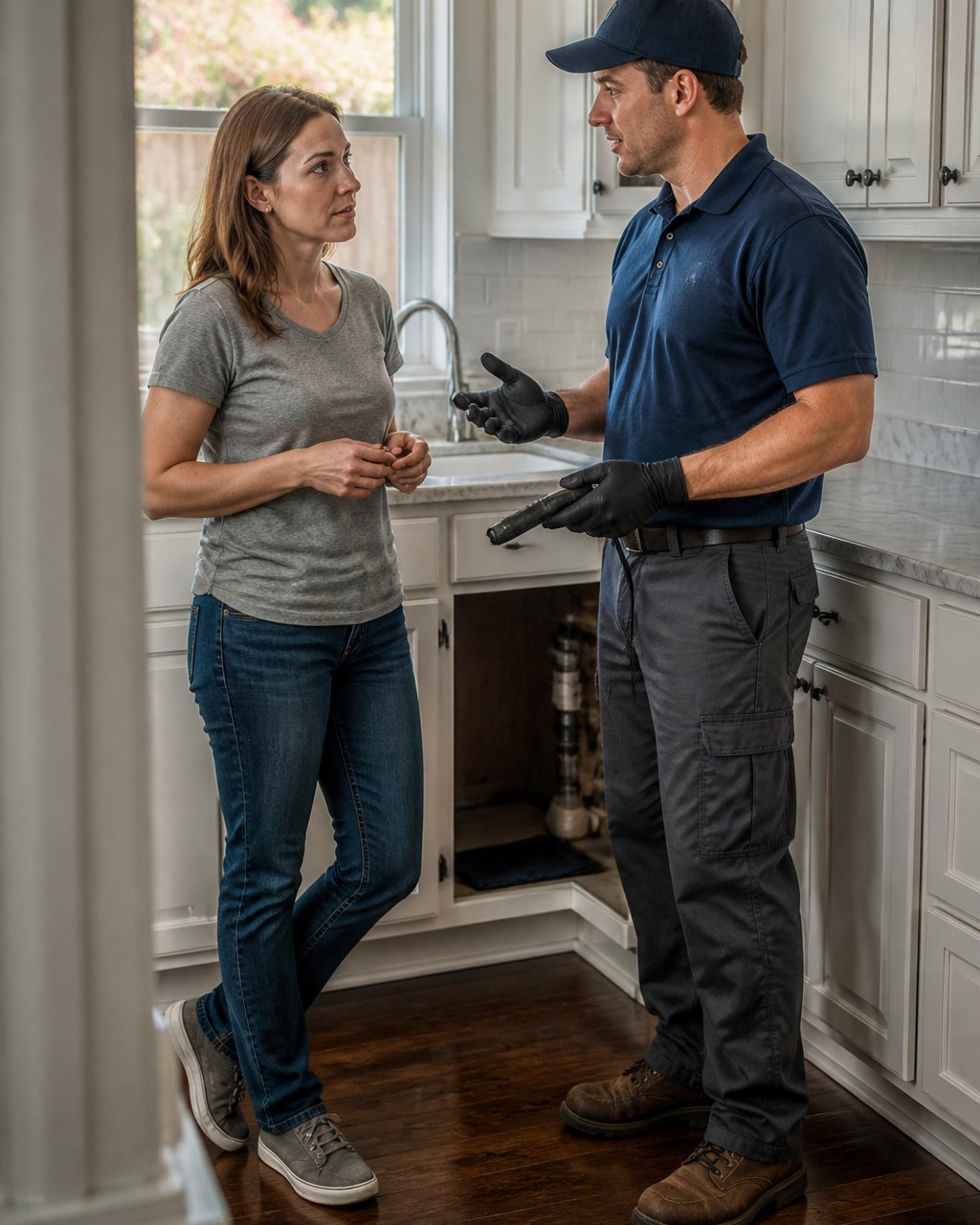
A professional inspection starts with a visual assessment. The technician reviews your home's layout, age, and plumbing design.
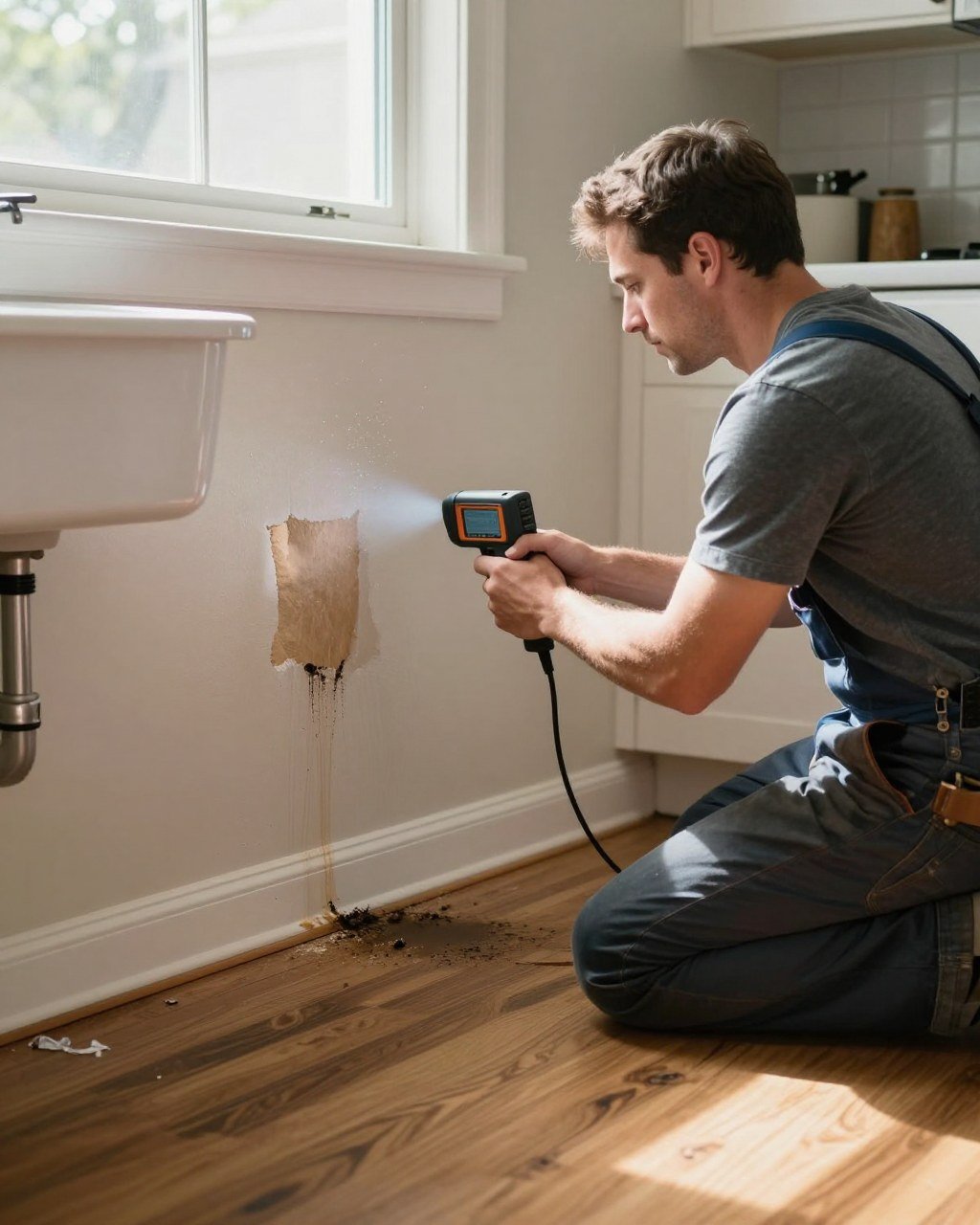
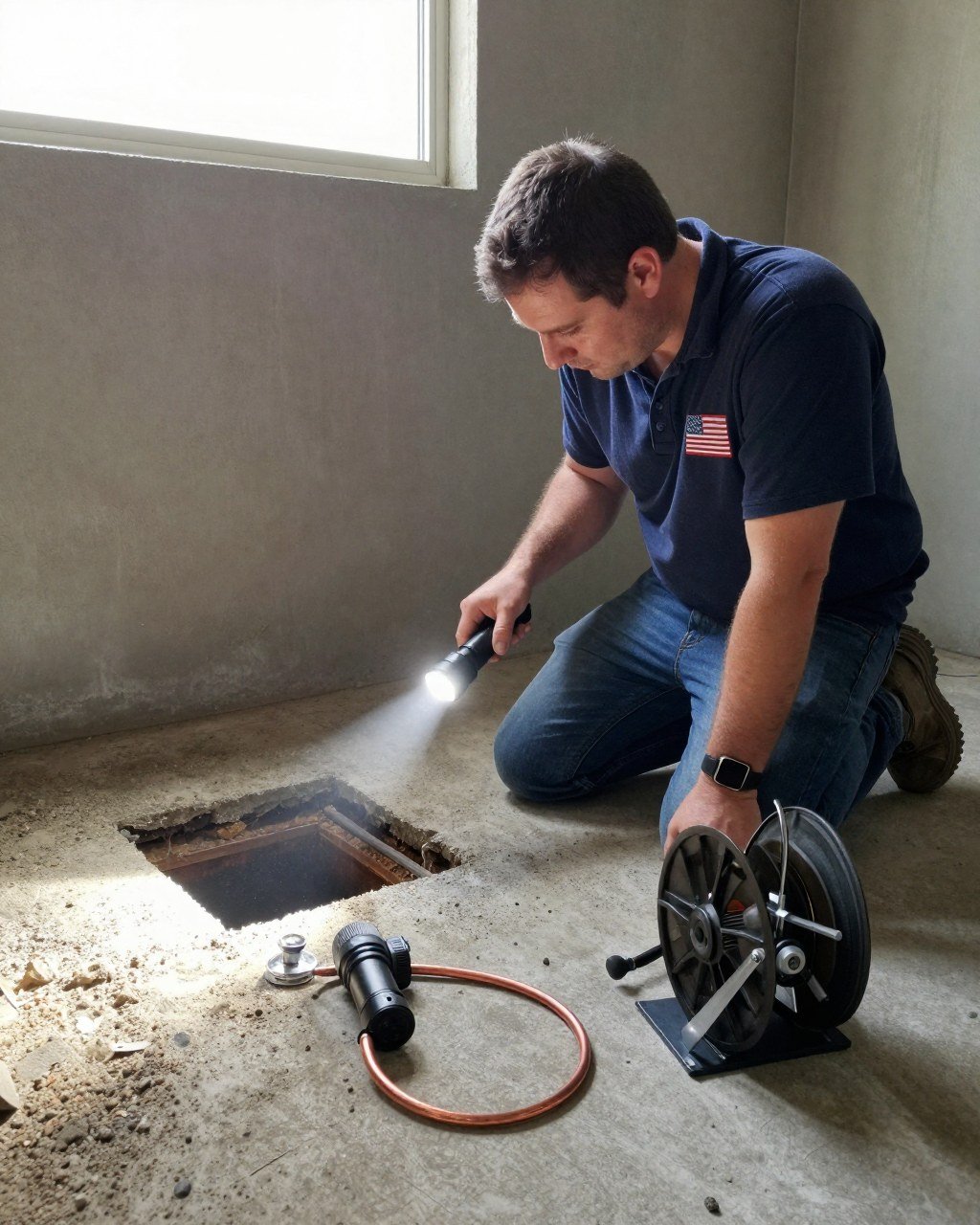
Next, they deploy detection equipment. Thermal imaging cameras reveal warm spots above hot water leaks. Acoustic sensors pinpoint the exact spot where water escapes.
The result is a clear diagnosis. You learn exactly where the leak is, how serious it is, and what repair options exist.
Slab Leak Repair Options and Your Choices
Once a slab leak is confirmed, you have repair options. The best choice depends on the leak's location, severity, and your home's layout.
Spot repair involves breaking through the concrete directly above the leak, accessing the damaged pipe, and fixing it.
Pipe rerouting runs new water lines through your walls or attic, bypassing the damaged section under the slab.
Full repiping replaces all water supply lines in your home. This is the most comprehensive solution, especially for older homes with corroded pipes throughout.
How to fix a slab leak under concrete foundation covers each repair method in detail, including what to expect during and after repair.
Slab Leak Insurance Coverage and Documentation
Many homeowners insurance policies cover slab leak damage, but coverage varies widely, and the difference between a paid claim and a denial often comes down to documentation. Understanding what's typically covered, what's excluded, and how to build a claim file can save you thousands.
What Policies Typically Cover, and What They Don't
Most standard homeowners policies cover "sudden and accidental" water damage, which can include the cost of accessing and repairing a slab leak if it meets that definition. However, policies often exclude:
- The cost of repairing the pipe itself if the leak is due to corrosion or wear and tear (often considered a maintenance issue).
- Damage from repeated or ongoing leaks that a homeowner should have discovered.
- Foundation cracks caused by earth movement or settlement, even if a leak contributed.
- Mold remediation beyond a limited sublimit, unless the mold resulted directly from a covered water event.
Some policies offer optional endorsements for water backup or hidden plumbing leaks. Review your policy's "exclusions" and "conditions" sections, or ask your agent specifically about slab leak coverage before you file a claim.
Documentation That Supports Your Claim
Insurance adjusters need evidence that the leak caused the damage you're claiming. Build a file that includes:
- Photos and video of all visible damage, wet carpet, cracked tile, mold spots, foundation cracks, taken before any cleanup.
- Water bills from the past 12 months showing the spike in usage.
- A professional inspection report detailing the leak's location, size, cause, and recommended repair method.
- Receipts for any emergency mitigation (water extraction, dehumidification).
- A written timeline of when you first noticed symptoms and what you did in response.
Does homeowners insurance cover slab leaks explains your coverage options and what to document. 7 ways to document water damage for insurance claims provides a step-by-step guide to gathering evidence that supports your claim.
At California Leak Detection Specialists, we provide detailed reports and photos that insurance companies accept. Our documentation clearly shows the leak's location and impact, making the claims process smoother and faster.
Getting Your Slab Leak Inspected and Repaired
The time to act is now. Waiting makes the problem worse and more expensive to fix.
Start by scheduling a professional inspection. A qualified technician will confirm whether you have a slab leak and locate it precisely.
Once you know what you're dealing with, you can plan repairs.
California Leak Detection Specialists specializes in residential slab leak detection and repair. Our licensed, bonded, and insured team uses advanced detection equipment to find leaks without unnecessary digging.
Don't ignore the warning signs. Call us at (951) 278-8999 to schedule your inspection today. We'll find the leak, explain your options, and get your home back to normal.
Frequently Asked Questions
Can you have a slab leak and not know it?
Yes. Many slab leaks develop slowly beneath the concrete where they're hidden from sight. You might not notice anything until water bills spike, warm spots appear on the floor, or structural damage becomes visible. Some leaks stay undetected for months, causing water waste and foundation damage silently. Professional slab leak detection using thermal imaging and acoustic methods can find these hidden problems before they become severe.
How can you tell if a leak is under a concrete slab?
Look for unexplained increases in your water bill, warm or damp spots on flooring, the sound of running water when all fixtures are off, low water pressure, or cracks in tile and flooring. Foundation settling or visible gaps between walls and floors can also signal a slab leak. If you notice any combination of these signs, professional slab leak detection is the only reliable way to confirm the problem and locate it precisely.
Will homeowners insurance cover a slab leak?
Homeowners insurance typically covers sudden, accidental water damage from slab leaks, but not damage from gradual leaks or poor maintenance. Coverage varies by policy and insurer. Documentation from a professional inspection is crucial for your claim. Our team provides detailed reports, photos, and findings that support your insurance claim process, helping you get the coverage you're entitled to.
What damage can a slab leak cause if left untreated?
Untreated slab leaks cause water waste, rising water bills, foundation shifting and cracking, mold and mildew growth, structural damage to walls and flooring, and potential erosion of soil beneath your home. Repair costs increase dramatically the longer a leak persists. Early detection through professional inspection prevents these costly problems and protects your home's structural integrity and your family's health.
A slab leak doesn't resolve itself. The water keeps flowing, the damage keeps spreading, and your repair bill keeps climbing. The best time to act was when you first noticed the warning signs. The second best time is now.